The Middle East conflict is beginning to affect Indian exports, fertilizer imports and energy supply chains. Businesses across sectors are closely monitoring shipping routes and input costs as tensions in the region threaten to disrupt trade flows and increase commodity price volatility.
Rising Middle East Conflict Impact on Indian Trade
The Middle East conflict impact on Indian exports is becoming increasingly visible as geopolitical tensions begin affecting shipping routes, commodity flows and industrial supply chains. India maintains strong trade ties with several Gulf nations, making the region a critical partner for energy imports, fertilizers and export markets.
Any instability in the region quickly ripples through India’s trade ecosystem. Shipping companies and exporters are already reporting rising insurance premiums and logistical delays due to heightened security concerns in key maritime corridors.
The Middle East remains one of India’s most important trading zones. Countries such as the United Arab Emirates, Saudi Arabia, Qatar and Oman serve as both export destinations and strategic suppliers of crude oil, natural gas and petrochemical inputs.
As tensions escalate, Indian exporters in sectors like engineering goods, textiles, chemicals and food products are closely watching how the situation evolves over the coming weeks.
Fertilizer Supply Concerns for India’s Agriculture Sector
One of the most immediate economic risks involves fertilizer supply chains. India imports a significant portion of its fertilizer requirements from the Middle East and nearby regions, including urea, ammonia and other key inputs used in crop production.
Any disruption in fertilizer supply routes can increase costs for Indian importers and potentially impact agricultural productivity. Fertilizer availability is especially critical ahead of major sowing seasons when farmers depend heavily on timely distribution.
The government has historically maintained strategic fertilizer inventories to manage temporary supply disruptions. However, prolonged instability in the Middle East could lead to tighter global supplies and higher prices.
Agricultural economists warn that fertilizer price volatility often translates into broader food inflation risks. Rising input costs can affect farm profitability and increase pressure on food supply chains.
Energy Supply Risks and Oil Price Volatility
Energy imports remain another major concern linked to the Middle East conflict impact on Indian trade. India imports over eighty percent of its crude oil requirements, with a large share coming from Gulf producers.
Any escalation that threatens oil production facilities or shipping routes such as the Strait of Hormuz could lead to sudden spikes in global oil prices. Even temporary disruptions can push up fuel costs, which then influence transportation expenses, manufacturing costs and consumer inflation.
Energy markets tend to react quickly to geopolitical tensions. Traders and analysts are currently assessing whether the conflict could lead to longer term supply risks or remain a short term market shock.
India has expanded its strategic petroleum reserves and diversified crude sourcing in recent years to reduce vulnerability. Still, the Gulf region remains central to India’s energy security.
Shipping Routes and Export Logistics Under Pressure
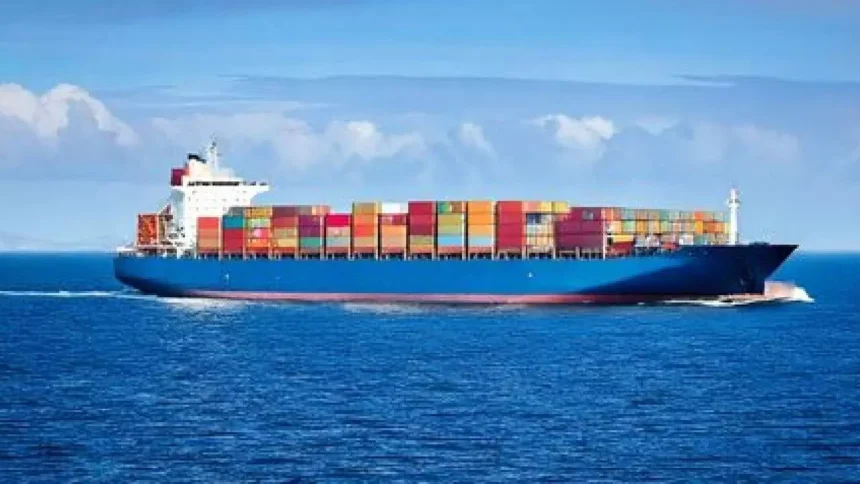
Maritime logistics is another area facing pressure as the Middle East conflict unfolds. Global shipping companies often reroute vessels or impose higher risk premiums when tensions rise in strategic waterways.
Indian exporters rely heavily on maritime routes through the Arabian Sea and the Persian Gulf to reach markets in Europe, Africa and West Asia. Any disruption in these corridors could delay shipments and increase freight costs.
Exporters dealing in perishable goods, including agricultural produce and processed food products, face the highest risks because delays can affect product quality and delivery schedules.
Trade experts say that companies are beginning to assess alternative shipping routes and logistics strategies in case the situation escalates further.
Businesses Monitor Global Economic Ripple Effects
Beyond direct trade disruptions, the Middle East conflict impact on Indian exports also extends to broader economic uncertainty. Global markets often respond to geopolitical tensions with currency fluctuations, commodity price spikes and investor caution.
Indian businesses with international exposure are carefully tracking developments. Industries such as aviation, petrochemicals, logistics and manufacturing are particularly sensitive to oil price movements and supply chain disruptions.
The government and industry bodies are expected to closely monitor trade flows and commodity markets in the coming weeks. If tensions persist, policymakers may introduce measures to stabilize supplies, manage inflation risks and support affected industries.
For now, companies are preparing contingency plans while hoping the geopolitical situation stabilizes before significant trade damage occurs.
Takeaways
• Rising Middle East tensions are beginning to affect Indian exports, shipping and supply chains.
• Fertilizer imports from the region could face price pressure and logistical delays.
• Oil supply risks may lead to global crude price volatility impacting India’s energy costs.
• Exporters and shipping firms are monitoring trade routes and preparing contingency plans.
FAQs
How does the Middle East conflict affect Indian exports?
India exports large volumes of goods to Gulf nations and uses regional shipping routes for global trade. Geopolitical tensions can disrupt logistics, increase freight costs and slow trade flows.
Why are fertilizer supplies important for India?
India imports a large share of its fertilizer requirements. Disruptions in supply can increase agricultural input costs and potentially influence food prices.
Can the conflict impact oil prices in India?
Yes. India imports most of its crude oil from global markets, particularly the Middle East. Any disruption in production or shipping routes can raise fuel prices.
Are Indian businesses preparing for supply disruptions?
Many companies are monitoring shipping routes, adjusting logistics strategies and preparing contingency plans in case geopolitical tensions escalate further.