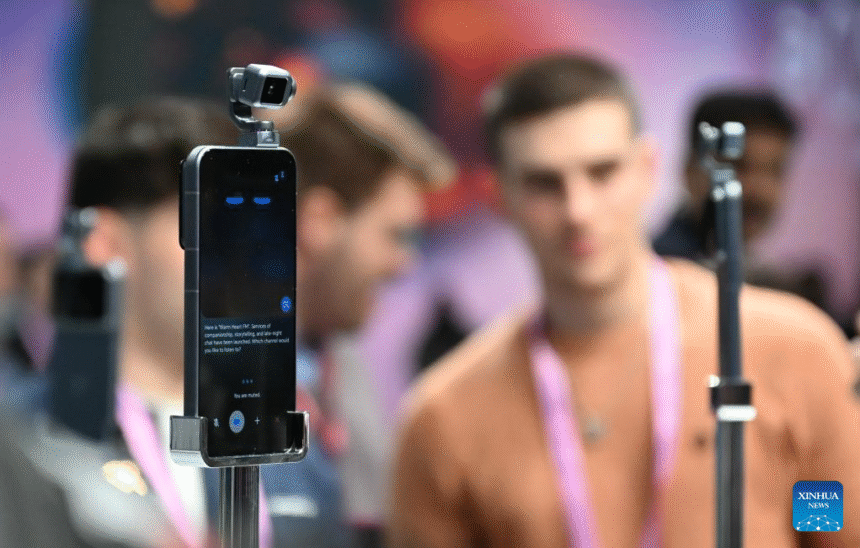
Mobile World Congress 2026 concluded with major announcements centered on artificial intelligence powered smartphones and advanced foldable devices. The global technology event highlighted how smartphone manufacturers are shifting focus toward AI capabilities, on device processing and next generation mobile experiences.
Mobile World Congress 2026 Highlights AI Smartphone Innovation
Mobile World Congress 2026 once again served as the global stage for major smartphone manufacturers to reveal their latest innovations. The event, held annually in Barcelona, brought together leading technology companies, telecom operators and device makers to showcase the future of mobile technology.
This year’s Mobile World Congress 2026 announcements strongly emphasized artificial intelligence integrated directly into smartphones. Manufacturers introduced devices equipped with advanced AI chips capable of running complex machine learning models locally on the phone rather than relying entirely on cloud computing.
AI smartphone features unveiled during the event included real time language translation, AI powered photo editing, predictive task automation and context aware digital assistants. Many companies highlighted the ability of their devices to process data securely on device, reducing latency and improving privacy.
The shift toward AI driven smartphones reflects a broader industry strategy to differentiate devices beyond traditional improvements such as camera quality or battery life.
Foldable Smartphones Continue Rapid Evolution
Another major trend at Mobile World Congress 2026 was the continued advancement of foldable smartphones. Several manufacturers revealed new foldable designs that are thinner, lighter and more durable than previous generations.
Foldable smartphone innovation now includes improved hinge technology, stronger ultra thin glass displays and enhanced multitasking capabilities. These devices allow users to switch between compact phone mode and larger tablet like screens.
Companies demonstrated foldables designed for productivity tasks such as document editing, multitasking between multiple applications and immersive media consumption. Improvements in battery efficiency and display durability have also helped address some of the early concerns associated with foldable devices.
Manufacturers view foldables as a key premium segment of the smartphone market. While still more expensive than standard devices, these phones are becoming increasingly mainstream as production scales and design improvements continue.
The competition in foldable devices is also pushing companies to experiment with different form factors, including rollable displays and dual hinge designs.
Telecom Industry Focus on AI and 5G Integration
Mobile World Congress is not only about devices but also about the broader telecommunications ecosystem. Telecom operators and infrastructure providers used the event to demonstrate how artificial intelligence is being integrated into network operations.
AI in telecom networks is being used to optimize traffic management, improve network efficiency and predict equipment maintenance needs. These capabilities help telecom companies handle increasing data demand as mobile applications become more complex.
The event also featured discussions about the future of 5G networks and early research into 6G technology. While 5G deployments continue to expand globally, companies are already exploring the next generation of wireless communication that could deliver significantly higher speeds and lower latency.
Network infrastructure providers demonstrated solutions that combine AI with advanced radio technologies to support smart cities, autonomous vehicles and industrial automation.
This convergence between device innovation and network technology shows how the entire mobile ecosystem is evolving together.
Global Smartphone Market Strategy Shifts Toward AI
The strong focus on artificial intelligence at Mobile World Congress 2026 indicates a shift in the global smartphone market strategy. As hardware improvements become incremental, manufacturers are using AI capabilities as the next major differentiator.
Smartphone companies are investing heavily in dedicated AI processors and software platforms that enable advanced features directly on mobile devices. On device AI allows phones to perform complex tasks such as image recognition, voice processing and personalized recommendations without constant internet connectivity.
The integration of generative AI tools into smartphones is also emerging as a key development. Some manufacturers demonstrated devices capable of generating text summaries, editing images automatically and assisting users with everyday productivity tasks.
Industry analysts believe that AI smartphones will drive the next upgrade cycle as consumers seek devices that can perform more intelligent functions.
Mobile World Congress has long served as a preview of future technology trends, and the 2026 edition reinforced the idea that artificial intelligence will play a central role in shaping the next generation of mobile devices.
Takeaways
Mobile World Congress 2026 highlighted artificial intelligence as the key focus of new smartphone innovation.
Manufacturers introduced AI powered devices capable of performing advanced tasks directly on the phone.
Foldable smartphones continued to evolve with improved durability, thinner designs and enhanced multitasking features.
Telecom companies showcased how AI and advanced networks will support the next wave of mobile applications.
FAQs
What is Mobile World Congress?
Mobile World Congress is one of the largest global technology events where smartphone makers, telecom companies and technology firms announce new products and discuss future trends in mobile technology.
Why are smartphone companies focusing on artificial intelligence?
AI enables smartphones to perform advanced tasks such as image processing, language translation and personal assistance directly on the device, improving user experience and privacy.
Are foldable smartphones becoming mainstream?
Foldable devices are gradually becoming more popular as manufacturers improve durability, reduce thickness and enhance software features that take advantage of larger flexible displays.
How does AI help telecom networks?
Artificial intelligence helps telecom operators manage network traffic, predict maintenance issues and improve efficiency, especially as mobile data usage continues to grow.