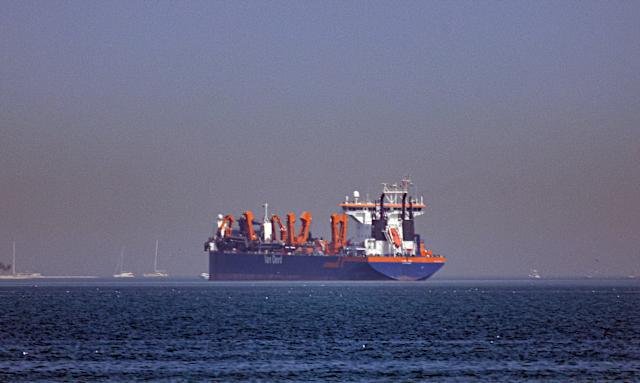
Oil prices are moving toward the $85 mark as shipping disruptions near the Strait of Hormuz trigger fresh concerns across global energy markets. The situation is raising fears of supply bottlenecks, pushing traders, governments, and businesses to reassess energy security and trade risks.
Rising Oil Prices Shake Global Energy Markets
Oil prices have surged toward $85 per barrel as disruptions near the Strait of Hormuz begin affecting global shipping routes. The narrow waterway, which connects the Persian Gulf with international waters, is one of the most critical oil transit corridors in the world. Roughly one fifth of global petroleum trade passes through this route every day.
When shipping movement slows in the Strait of Hormuz, the ripple effects are immediate. Tanker delays, rising insurance costs, and fears of potential conflict in the region tend to drive energy markets upward. Traders respond quickly because even small disruptions can tighten global supply.
In recent sessions, crude benchmarks such as Brent and West Texas Intermediate have gained momentum as markets react to heightened geopolitical risks. Oil traders often price in future uncertainty, which is why prices tend to climb rapidly during periods of instability around major shipping lanes.
The surge toward $85 reflects not just immediate supply fears but also broader anxiety about how long disruptions might last.
Why the Strait of Hormuz Matters for Global Oil Supply
The Strait of Hormuz is widely considered the world’s most important oil choke point. Several major energy exporters rely on this route to ship crude oil to international markets. Countries including Saudi Arabia, Iraq, the United Arab Emirates, Kuwait, and Iran transport massive volumes of oil through the narrow channel each day.
At its narrowest point, the strait is only about 33 kilometers wide, with designated shipping lanes even narrower. This geographic constraint makes the route highly sensitive to military tensions, naval patrols, or security threats.
When disruptions occur, oil tankers may be forced to wait, reroute, or operate under heightened security protocols. Shipping companies and insurers often raise costs during such situations, which in turn pushes up global energy prices.
Energy analysts closely monitor this corridor because even temporary disruptions can impact fuel costs worldwide. When oil prices spike, industries from transportation to manufacturing quickly feel the pressure.
Impact on Global Energy Trade and Supply Chains
Rising oil prices linked to shipping disruptions affect far more than energy markets. Higher crude costs eventually flow through the entire global economy.
Airlines face higher aviation fuel expenses. Shipping companies see rising bunker fuel costs. Manufacturing industries experience higher transportation and production expenses. These effects often translate into higher prices for consumers.
Countries that rely heavily on imported energy are especially vulnerable. India, Japan, South Korea, and several European nations depend on oil shipments from the Middle East that travel through the Strait of Hormuz.
If shipping delays continue, refineries could experience slower crude deliveries. This may tighten supply for gasoline, diesel, and other refined fuels in global markets.
Energy-importing countries often respond by tapping strategic petroleum reserves or adjusting procurement strategies to stabilize domestic fuel prices.
Market Reactions and Investor Sentiment
Financial markets typically react strongly to geopolitical tensions affecting energy supply routes. Oil futures, energy company stocks, and commodity markets often move quickly when new risks emerge.
The recent rise toward $85 per barrel reflects a combination of supply concerns and speculative activity. Traders are betting that continued instability around the Strait of Hormuz could tighten supply further.
Energy companies may benefit from higher oil prices in the short term, but prolonged disruptions also create uncertainty for global economic growth. If oil prices climb too quickly, inflation pressures can return in many economies.
Central banks and policymakers closely watch such developments because energy costs play a major role in inflation calculations.
What Happens If Disruptions Continue
If disruptions around the Strait of Hormuz persist, the global energy market could enter a more volatile phase. Sustained shipping delays could push oil prices beyond current levels, especially if inventories begin to tighten.
Countries may accelerate diversification of energy supply routes and increase investments in alternative energy sources. Strategic reserves could also be used to stabilize markets temporarily.
However, the long term solution lies in reducing reliance on single choke points within global trade routes. Until then, the Strait of Hormuz will remain a critical vulnerability in the global energy system.
Oil markets are likely to stay sensitive to developments in the region over the coming weeks.
Takeaways
Global oil prices are approaching $85 due to shipping disruptions near the Strait of Hormuz.
The Strait of Hormuz handles about 20 percent of the world’s oil trade, making it a critical energy corridor.
Higher oil prices can increase transportation costs, inflation, and fuel prices worldwide.
Energy-importing countries such as India and Japan are especially exposed to supply disruptions.
FAQs
Why are oil prices rising toward $85?
Oil prices are rising because shipping disruptions near the Strait of Hormuz are creating fears of supply constraints in global energy markets.
Why is the Strait of Hormuz important for oil trade?
It is one of the world’s most critical shipping routes for crude oil, carrying around one fifth of global petroleum shipments each day.
How do higher oil prices affect consumers?
Higher oil prices can lead to increased fuel costs, more expensive transportation, and higher prices for goods and services.
Could oil prices rise further?
Yes. If disruptions continue or geopolitical tensions escalate, oil prices could move higher as markets react to supply risks.