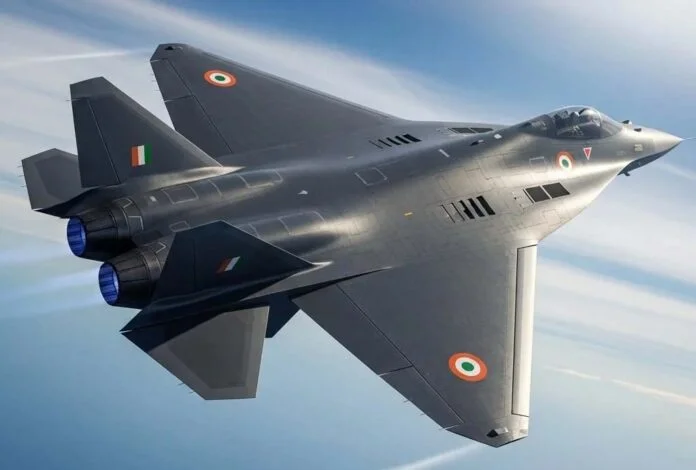
India’s sixth gen fighter jet roadmap is gaining momentum with increased private sector participation, signaling a shift in defense manufacturing strategy. The move aims to boost innovation, reduce import dependence, and position India as a competitive player in advanced military aviation.
The private sector push in India’s sixth gen fighter jet roadmap marks a critical evolution in the country’s defense ecosystem. Traditionally dominated by public sector units, the aerospace segment is now opening up to private companies to accelerate development timelines and enhance technological capabilities.
Shift Toward Private Sector in Defense Manufacturing
India’s defense manufacturing strategy is undergoing a structural shift with greater involvement of private players. The government has been actively promoting indigenous development through policy reforms and incentive schemes.
Private companies are increasingly participating in high-value defense projects, including aircraft design, avionics, and advanced materials. This transition is expected to improve efficiency and bring in global best practices.
In the context of sixth generation fighter jets, which require cutting-edge technologies such as stealth, artificial intelligence, and network-centric warfare systems, private sector innovation becomes essential.
Sixth Gen Fighter Jet Program Gains Strategic Importance
The sixth gen fighter jet program represents the future of aerial combat capabilities. These aircraft are expected to integrate advanced features like autonomous operations, enhanced stealth, and real-time data sharing.
For India, developing such capabilities domestically is crucial for maintaining strategic autonomy. Relying on imports for next-generation defense technology can create long-term vulnerabilities.
The roadmap for sixth generation fighters aligns with India’s broader goal of strengthening its defense preparedness while reducing dependence on foreign suppliers.
Collaboration Model Between Public and Private Players
A key aspect of the roadmap is the collaboration between public sector organizations and private companies. Entities such as defense research agencies and established aerospace firms are expected to work alongside emerging private players.
This collaborative approach allows the sharing of expertise, infrastructure, and resources. Public sector units bring experience and institutional knowledge, while private companies contribute agility and innovation.
The model is designed to create a balanced ecosystem where both sectors play complementary roles in achieving complex defense objectives.
Technology Development and Innovation Focus
Developing sixth generation fighter jets requires significant advancements in multiple technology areas. These include propulsion systems, advanced sensors, electronic warfare capabilities, and AI-driven decision-making systems.
Private sector participation is expected to accelerate research and development in these areas. Companies with expertise in software, electronics, and manufacturing can contribute to building integrated systems.
The focus is also on developing indigenous intellectual property. This not only enhances self-reliance but also opens opportunities for future exports in the global defense market.
Economic and Strategic Implications for India
The increased role of the private sector in defense projects has broader economic implications. It can generate high-skilled employment, attract investment, and strengthen the domestic industrial base.
From a strategic perspective, the move enhances India’s ability to respond to evolving security challenges. Advanced fighter jets are a key component of modern defense systems, and domestic capability ensures greater operational flexibility.
The initiative also aligns with the government’s push for self-reliance in critical sectors, reducing the need for costly imports and strengthening national security.
Challenges in Execution and Long Term Outlook
Despite the positive momentum, the sixth gen fighter jet program faces several challenges. Developing such advanced systems requires significant funding, long timelines, and technological expertise.
Coordination between multiple stakeholders can be complex, and delays in execution are a common risk in large defense projects. Ensuring consistent policy support and funding will be critical.
However, the long-term outlook remains promising. With sustained investment and collaboration, India has the potential to emerge as a key player in advanced aerospace technologies.
The private sector push represents a step toward building a more dynamic and resilient defense ecosystem. It reflects a broader shift in how India approaches strategic industries in a rapidly changing global landscape.
Takeaways
• Private sector participation is reshaping India’s defense manufacturing strategy
• Sixth gen fighter jets are critical for future military capabilities
• Collaboration between public and private players is central to the roadmap
• The initiative supports self-reliance and technological advancement
FAQs
Q1. What are sixth generation fighter jets?
They are advanced aircraft with features like stealth, AI integration, and networked combat capabilities.
Q2. Why is the private sector involved in this program?
Private companies bring innovation, efficiency, and specialized expertise to complex defense projects.
Q3. Will this reduce India’s dependence on imports?
Yes, the goal is to develop indigenous capabilities and reduce reliance on foreign technology.
Q4. What challenges does the program face?
Challenges include high costs, technological complexity, and coordination between multiple stakeholders.