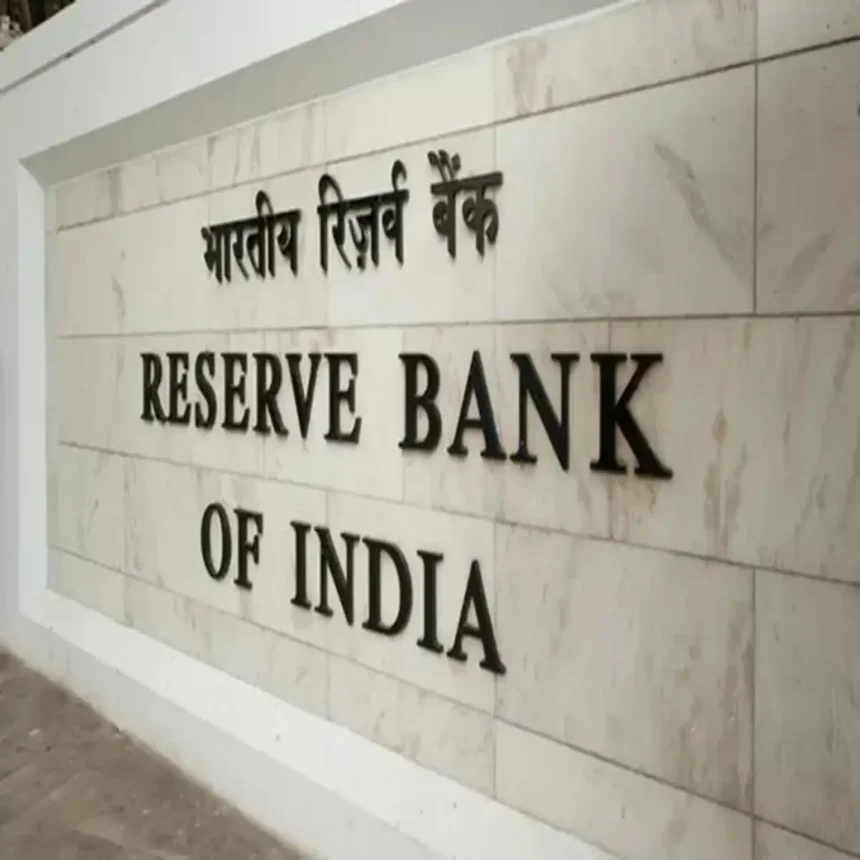
The Reserve Bank of India has launched a 1 trillion bond buyback and a 5 billion FX swap to strengthen liquidity in the financial system. The RBI liquidity move aims to stabilise short term money markets, support credit flows and ease pressure in segments affected by tight funding conditions.
The liquidity injection comes at a crucial time for banks and corporates navigating uneven deposit growth, elevated borrowing costs and global financial uncertainty. The RBI’s decision reflects a calibrated approach to managing liquidity without altering broader policy settings. Both the bond buyback and FX swap are designed to release durable liquidity into the system and improve market functioning across debt and currency markets.
Bond buyback program targets easing pressure in debt markets
The 1 trillion bond buyback is aimed at improving liquidity in government securities and reducing volatility in the bond market. By purchasing existing securities, the central bank injects liquidity directly into the banking system while supporting price stability for benchmark bonds.
Market participants view the buyback as a signal that the RBI is prepared to intervene to maintain orderly conditions in the sovereign debt market. Yields on certain maturities had shown signs of tightening due to cash demand and expectations of higher credit offtake. The buyback helps ease short term funding constraints, especially for banks that rely on government securities for repo operations and collateral requirements.
Analysts note that such interventions can also strengthen investor confidence, particularly for institutions managing large bond portfolios. The smoother yield curve resulting from active liquidity management can improve borrowing conditions for corporates and public sector entities.
FX swap mechanism supports rupee liquidity and currency stability
The 5 billion FX swap adds another layer of liquidity support. In an FX swap, the central bank provides dollars to banks in exchange for rupees, with an agreement to reverse the transaction at a later date. This mechanism enhances rupee liquidity while moderating volatility in the currency market.
India’s foreign exchange markets have faced intermittent pressure due to global risk sentiment and changes in dollar strength. The FX swap helps reduce speculative pressures, stabilise forward premiums and ensure banks have access to foreign currency liquidity without distorting spot market rates.
For banks with significant trade finance exposure, improved dollar availability helps manage import and export financing lines more efficiently. Corporates engaged in global supply chains benefit from smoother hedging conditions and more predictable currency costs.
Liquidity support aims to strengthen credit flow and financial stability
The RBI’s combined liquidity operation is intended to support lending activity during a period of heightened credit demand. Banks are expected to respond to increased liquidity by extending credit more comfortably to sectors such as MSMEs, housing, manufacturing and services.
Seasonal cash demand, along with the impact of recent policy adjustments, had tightened liquidity in certain market segments. The liquidity infusion through bond buybacks and FX swaps helps mitigate these pressures and reduces reliance on short term borrowing from the call money market.
Stable liquidity conditions are also critical for NBFCs and housing finance companies that depend on market borrowing. With improved system liquidity, refinancing risks decline and debt issuance conditions become more favourable for issuers with strong credit profiles.
Markets assess long term impact on yields, currency and policy path
Bond markets reacted by assessing how the buyback would influence the yield curve over the coming weeks. Shorter maturities typically show quicker response to liquidity injections, while longer maturities depend on expectations around fiscal borrowing and future policy decisions.
Currency traders monitored how the FX swap would influence rupee volatility. A smoother currency trajectory can help reduce imported inflation risks and provide more stable conditions for trade dependent industries.
The liquidity move does not indicate a shift in policy stance but reflects the RBI’s strategy of using targeted tools to manage temporary stresses. Future liquidity actions will depend on credit demand, tax outflows, global conditions and inflation data.
Takeaways
RBI launched a 1 trillion bond buyback and 5 billion FX swap
Bond buyback aims to ease pressure in sovereign debt markets
FX swap improves rupee liquidity and stabilises currency conditions
Overall liquidity support strengthens credit flows and financial stability
FAQs
Why did the RBI announce a bond buyback and FX swap together
The combination allows the RBI to address both rupee liquidity and foreign currency requirements simultaneously, ensuring broader stability across money, bond and currency markets.
How does the bond buyback help banks
It injects liquidity into the system, supports bond prices and reduces funding pressure, enabling banks to lend more effectively and manage collateral requirements.
Will the FX swap strengthen the rupee
It helps stabilise currency volatility by improving dollar availability and moderating pressures in the forward market, which can indirectly support the rupee.
Does this move signal a policy shift
No. It reflects a targeted liquidity management approach rather than a change in monetary policy stance. Future actions will depend on market conditions and liquidity needs.