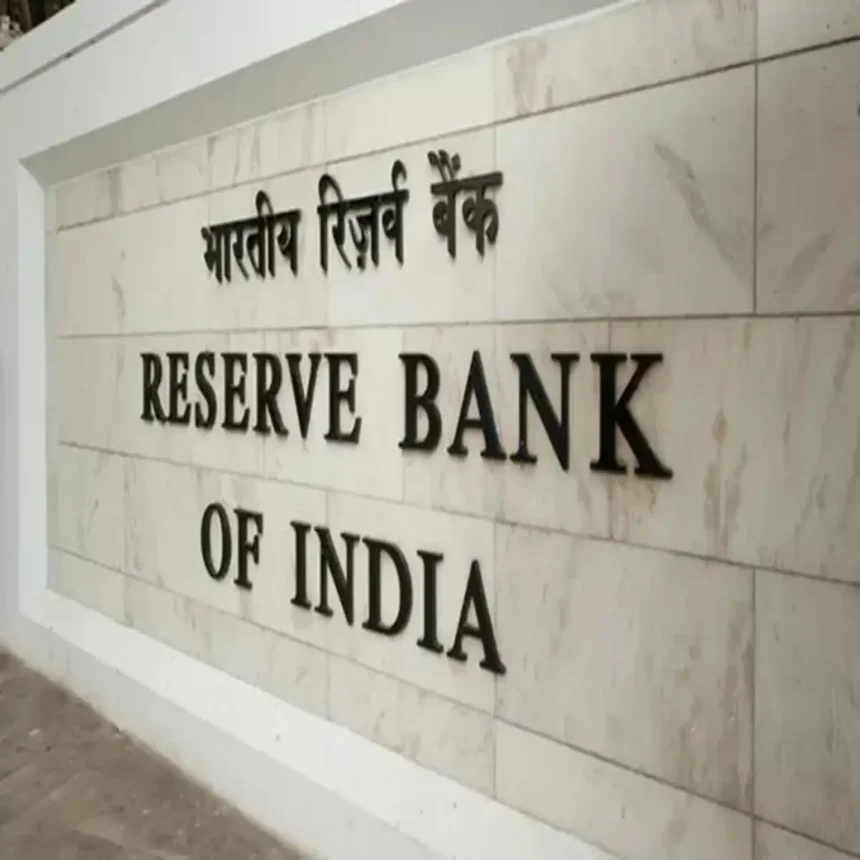
A shift in capital flows is underway as India’s bond market ambitions receive a boost from the RBI liquidity package, prompting foreign investors to watch the market more closely. The liquidity infusion has strengthened sentiment in domestic debt markets, improved yield predictability and signalled the central bank’s intent to support financial stability while advancing India’s global bond market integration.
India has been working toward deeper, more liquid bond markets to attract long horizon capital and enhance its position in global financial indices. The RBI’s liquidity package, which includes bond buybacks and currency operations, reinforces these efforts by easing near term funding pressures. The environment created by this policy shift has renewed interest from global investors evaluating India’s debt as part of diversified emerging market portfolios.
RBI liquidity measures improve systemic stability and bond market depth
The liquidity package aims to reduce tightening pressures in the financial system caused by seasonal outflows, credit expansion and external volatility. By conducting targeted bond buybacks, the RBI injects liquidity into the market while supporting price stability across key maturities. This stabilisation effect benefits both banks and institutional investors holding government securities.
Improved liquidity enhances price discovery and lowers transaction friction, making the market more efficient for large scale investors. Foreign portfolio investors, who often seek predictable and high quality fixed income instruments, view these measures as signals of policy reliability. With India’s bond market gradually opening to greater foreign participation, systemic liquidity remains a critical factor.
The package also supports benchmark yields, a key determinant for both corporate borrowing costs and valuation models used by international investors.
Foreign investors assess India’s evolving role in global bond markets
India’s inclusion in major global bond indices remains a significant policy goal. The liquidity package contributes to creating conditions that appeal to index administrators and large asset managers. Foreign investors evaluate factors such as currency stability, regulatory clarity and market depth when allocating capital to emerging market bonds.
The RBI’s recent steps provide additional assurance on all three parameters. Stable yields, reduced volatility and improved currency liquidity create an environment conducive to sustained inflows. Investors are also analysing the impact of India’s fiscal discipline, capital expenditure priorities and inflation trajectory, all of which influence sovereign bond attractiveness.
Global funds specialising in emerging market debt and investment grade sovereign portfolios have shown increased interest in India’s long dated securities. These instruments offer competitive real yields supported by strong macroeconomic fundamentals.
Domestic bond market sees stronger demand as liquidity eases
The liquidity package has boosted confidence among domestic institutions including banks, insurance companies and mutual funds. Lower yield volatility encourages participation across maturities, strengthening the market’s depth.
Banks benefit directly from improved liquidity, enabling smoother management of statutory liquidity ratio portfolios and call money requirements. Mutual funds, particularly those operating debt schemes, find increased investor interest due to improved returns and reduced interest rate risk.
Corporate bond markets could also gain from the RBI’s measures. Lower sovereign yields often translate into reduced borrowing costs for high rated issuers, improving project financing viability. This has implications for infrastructure, energy and manufacturing sectors that rely heavily on debt markets for capital.
Currency stability becomes important anchor for foreign participation
The FX component of the RBI liquidity package plays a critical role in enhancing rupee stability. Foreign investors closely track currency risk, as sharp depreciation can erode returns from fixed income assets. The central bank’s FX operations help balance supply and demand dynamics, reducing speculation driven volatility.
A stable rupee increases confidence in India’s external position, particularly during periods of global uncertainty. This stability allows foreign investors to extend duration in Indian bonds without facing disproportionate currency risk. The rupee’s performance remains a key determinant of foreign investor sentiment, making currency management integral to bond market development.
The RBI’s emphasis on maintaining adequate foreign exchange reserves further strengthens India’s risk profile, providing a buffer against external shocks.
Long term outlook strengthens as India targets global integration
India’s long term bond market ambitions align with its strategy to deepen domestic financial markets, attract global capital and reduce reliance on short term flows. The liquidity package supports these objectives by providing immediate stability and reinforcing India’s policy consistency.
As global investors diversify away from traditional markets experiencing slower growth, India’s strong macroeconomic fundamentals and robust governance structures make it a competitive destination. The combination of stable inflation, active liquidity management and clear policy direction enhances the credibility of India’s fixed income market.
Over the coming months, the pace of foreign inflows will depend on global risk appetite, US interest rates and geopolitical developments. However, the foundation for stronger participation has been strengthened by the RBI’s proactive measures.
Takeaways
RBI liquidity package boosts confidence in India’s bond market ambitions
Foreign investors are monitoring stability, yields and currency trends closely
Improved liquidity supports domestic institutional demand and corporate borrowing
Long term outlook strengthens as India positions for global bond index inclusion
FAQs
Why is the RBI liquidity package important for India’s bond market
It improves systemic liquidity, stabilises yields and enhances market depth, which are essential for attracting foreign investors and supporting domestic borrowing needs.
How are foreign investors responding to the policy move
Foreign investors see the package as a positive step toward predictable bond market conditions. Many are reassessing allocations as India becomes more competitive in emerging market debt.
Does the liquidity package affect corporate borrowing costs
Yes. Lower sovereign yields often lead to reduced borrowing costs for corporates, improving financing conditions across infrastructure, real estate and manufacturing sectors.
What risks could impact future foreign inflows
Global interest rate trends, geopolitical uncertainty, currency volatility and shifts in risk appetite could influence the pace and scale of foreign participation.