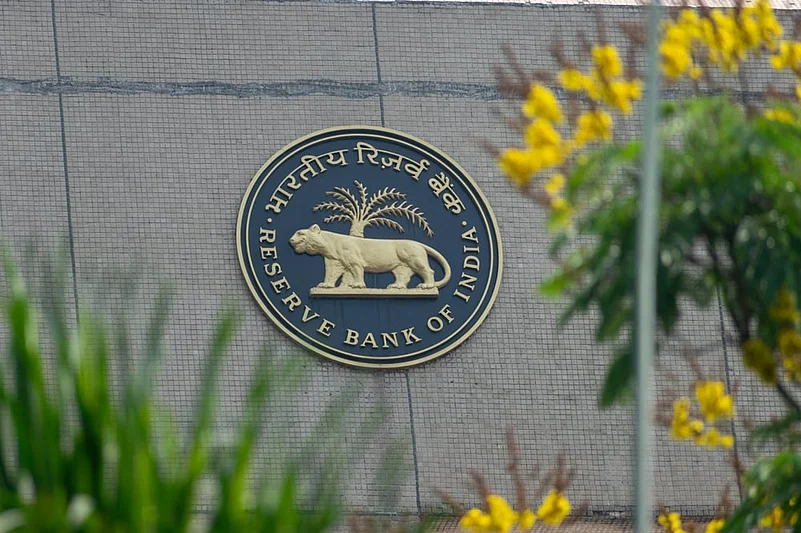
The Reserve Bank of India is moving toward stricter oversight of digital lending apps following a fresh wave of consumer complaints. The action highlights growing regulatory concern around data misuse, harassment practices, and lack of transparency in India’s fast-growing digital lending ecosystem.
RBI’s tighter oversight on digital lending apps comes as regulators respond to increasing complaints related to unethical recovery practices, hidden charges, and data privacy violations. The central bank is reinforcing its intent to clean up the sector while ensuring legitimate fintech players can operate within a structured compliance framework.
Rising Complaints Trigger Regulatory Action in Digital Lending
The recent push by RBI follows a noticeable rise in consumer grievances linked to digital lending platforms. Borrowers have reported issues such as excessive interest rates, non-transparent fee structures, and aggressive recovery tactics.
Many complaints involve unauthorized access to personal data, including contact lists and photos, which are then allegedly used to pressure borrowers during repayment. These practices have raised serious concerns about consumer protection and data security.
RBI has previously issued guidelines to regulate digital lending, but enforcement is now becoming more stringent. Authorities are closely monitoring app-based lenders, especially those operating without proper registration or through third-party arrangements that bypass regulatory scrutiny.
This latest signal suggests that the central bank is prepared to take stronger action, including potential restrictions on non-compliant platforms.
RBI Digital Lending Guidelines Gain Stronger Enforcement Focus
India’s digital lending guidelines, introduced earlier, already require lenders to disclose key terms such as interest rates, fees, and repayment schedules upfront. However, compliance gaps remain, particularly among smaller and unregulated players.
RBI is now expected to tighten enforcement by increasing audits, mandating stricter due diligence, and holding regulated entities accountable for their lending partners. Banks and NBFCs that partner with fintech apps may face greater responsibility for ensuring compliance across the lending chain.
The regulator is also emphasizing the need for direct disbursement and repayment flows between the borrower and the regulated entity. This is aimed at reducing the role of intermediaries that often obscure accountability.
By strengthening enforcement, RBI aims to bring more transparency and discipline to the digital lending ecosystem.
Impact on Fintech Startups and Lending Platforms
The increased regulatory scrutiny is likely to have a significant impact on fintech startups operating in the digital lending space. Companies that rely on aggressive growth strategies or loosely structured partnerships may need to rethink their business models.
Compliance costs are expected to rise as firms invest in legal frameworks, data protection systems, and customer grievance mechanisms. Startups with limited resources may find it challenging to meet these requirements, potentially leading to consolidation in the sector.
On the other hand, well-regulated players could benefit from the cleanup. As trust becomes a key differentiator, companies that prioritize transparency and customer protection may gain a competitive edge.
The shift could also encourage more collaboration between fintech firms and traditional financial institutions, creating a more stable and compliant lending environment.
Consumer Protection and Data Privacy Take Center Stage
At the core of RBI’s action is the need to protect consumers from exploitative practices. Digital lending has expanded access to credit, especially for underserved segments, but it has also exposed borrowers to new risks.
Data privacy remains a critical concern. Unauthorized data collection and misuse not only violate user trust but also pose legal risks for companies. RBI is likely to push for stricter data governance standards, including limitations on data access and usage.
The focus on consumer protection aligns with broader regulatory trends in India, where digital platforms are increasingly being held accountable for user safety and transparency.
For borrowers, this could lead to safer and more predictable lending experiences. For companies, it reinforces the importance of ethical practices and robust compliance systems.
What Lies Ahead for India’s Digital Lending Ecosystem
RBI’s tighter oversight signals a maturing phase for India’s digital lending market. Rapid growth is now being balanced with regulatory discipline to ensure long-term sustainability.
Future regulatory measures may include stricter licensing requirements, enhanced reporting standards, and closer monitoring of digital platforms. The central bank is likely to continue engaging with industry stakeholders to refine the regulatory framework.
As the ecosystem evolves, the focus will shift from rapid expansion to responsible growth. Companies that align with regulatory expectations will be better positioned to scale sustainably.
The message from RBI is clear. Innovation in financial services must be accompanied by accountability, transparency, and strong consumer safeguards.
Takeaways
RBI is increasing scrutiny on digital lending apps after rising complaints
Consumer protection and data privacy are key regulatory priorities
Fintech startups may face higher compliance costs and stricter rules
Well-regulated players could benefit from improved trust and credibility
FAQs
Why is RBI tightening oversight on digital lending apps?
RBI is responding to increased consumer complaints related to harassment, hidden charges, and data misuse by certain digital lending platforms.
What changes can digital lending companies expect?
Companies may face stricter compliance requirements, more audits, and greater accountability for their operations and partnerships.
How will this affect borrowers?
Borrowers are likely to benefit from better transparency, improved data protection, and safer lending practices.
Will this impact fintech growth in India?
Growth may slow in the short term due to compliance costs, but stronger regulation could create a more stable and trustworthy ecosystem.