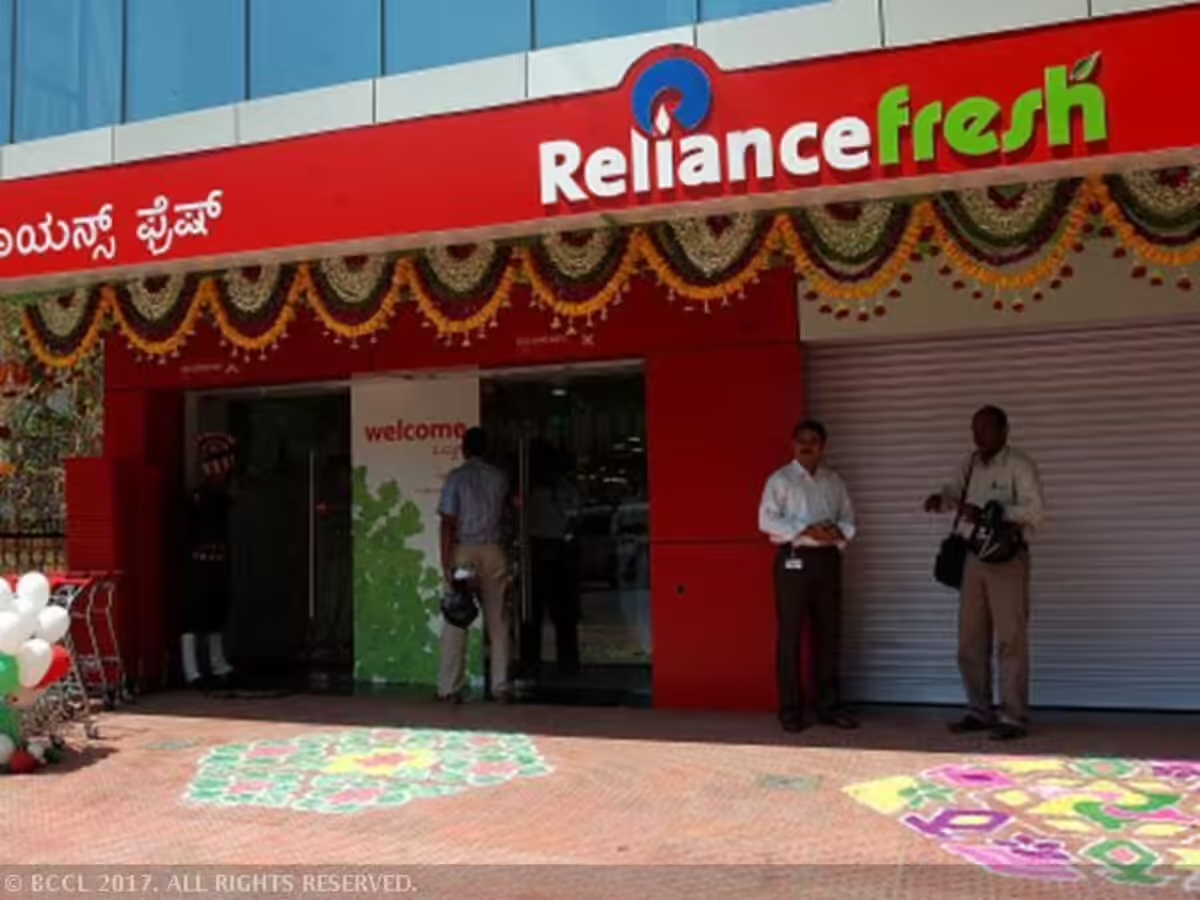
Reliance Retail expansion into Tier-2 cities is gaining momentum as the company sharpens its growth strategy beyond metros. Backed by strong consumption trends and digital integration, the move signals a major shift in India’s organized retail landscape.
The strategy reflects a calculated push by Reliance Retail to tap underserved markets where demand is rising but organized retail penetration remains low. Industry observers see this as a long term growth engine.
Tier-2 City Strategy Reshapes Retail Expansion Plans
The Reliance Retail Tier-2 expansion strategy is rooted in changing consumption patterns across India. Smaller cities are now witnessing higher disposable incomes, improved infrastructure, and increasing digital adoption.
Unlike earlier retail cycles that focused heavily on metros, the current phase is being driven by demand from cities such as Indore, Lucknow, Nagpur, and Coimbatore. These markets offer lower operational costs and less competition compared to metro regions.
Reliance is leveraging its diverse retail formats including grocery, fashion, electronics, and wholesale to create a multi category presence. This allows the company to capture a larger share of consumer spending in each location.
The approach is not just about opening stores. It is about building an ecosystem that combines offline presence with digital capabilities to drive consistent demand.
Omnichannel Retail Push Strengthens Market Penetration
A key pillar of the Reliance Retail expansion is its omnichannel retail strategy. The company is integrating physical stores with digital platforms to offer seamless shopping experiences.
Through its digital ecosystem, including apps and online platforms, Reliance enables customers in Tier-2 cities to access a wider product range. This is especially important in regions where product availability has traditionally been limited.
The company’s logistics network is also being expanded to support faster deliveries and better inventory management. Warehousing and supply chain investments are playing a crucial role in ensuring that smaller cities receive the same level of service as metros.
This omnichannel approach not only improves customer experience but also increases operational efficiency, making expansion more sustainable.
Competitive Landscape Intensifies in Smaller Cities
Reliance’s aggressive push is expected to intensify competition in Tier-2 retail markets. Players like Amazon and Flipkart have already established a strong digital presence in these regions.
However, Reliance’s advantage lies in its physical retail network combined with digital integration. This hybrid model allows it to reach customers through multiple touchpoints, something pure ecommerce platforms may find challenging to replicate at scale.
Local retailers are also feeling the pressure. As organized retail expands, traditional businesses may need to adapt by adopting technology or focusing on niche offerings.
The competitive dynamics are likely to drive better pricing, improved service, and more choices for consumers in Tier-2 cities.
Investment Focus and Long Term Growth Outlook
The expansion into Tier-2 cities requires significant investment in real estate, supply chain infrastructure, and technology. Reliance has been steadily increasing its capital allocation toward retail, signaling strong confidence in the sector’s growth potential.
India’s retail market is projected to grow steadily over the next decade, with Tier-2 and Tier-3 cities contributing a large share of incremental demand. Rising internet penetration and digital payments adoption are further accelerating this shift.
Reliance’s strategy aligns with these macro trends. By establishing an early presence in emerging markets, the company is positioning itself to capture long term value.
At the same time, execution will be critical. Managing operations across diverse geographies, maintaining supply chain efficiency, and ensuring consistent customer experience will determine the success of this expansion.
What This Means for India’s Retail Ecosystem
The Reliance Retail expansion into Tier-2 cities marks a structural shift in India’s retail ecosystem. It reflects a broader transition where growth is no longer concentrated in metros but distributed across emerging urban centers.
For consumers, this means better access to products, competitive pricing, and improved shopping experiences. For businesses, it signals the need to rethink strategies and adapt to a more organized and technology driven retail environment.
The move also highlights the increasing importance of scale and integration in retail. Companies that can combine physical presence with digital capabilities are likely to dominate the next phase of growth.
As Reliance accelerates its expansion, the ripple effects will be felt across supply chains, employment, and local economies.
Takeaways
• Reliance Retail is expanding aggressively into Tier-2 cities to drive growth
• Rising incomes and digital adoption are fueling demand in smaller markets
• Omnichannel strategy is central to improving reach and efficiency
• Competition in Tier-2 retail is expected to intensify significantly
FAQs
Why is Reliance focusing on Tier-2 cities?
Tier-2 cities offer growing demand, lower competition, and strong long term growth potential compared to saturated metro markets.
How is Reliance executing its expansion strategy?
The company is combining physical stores with digital platforms and strengthening its supply chain to support omnichannel retail.
Who are Reliance’s main competitors in these markets?
Major competitors include ecommerce platforms like Amazon and Flipkart, along with local retailers.
What impact will this expansion have on consumers?
Consumers can expect better product availability, competitive pricing, and improved shopping experiences.