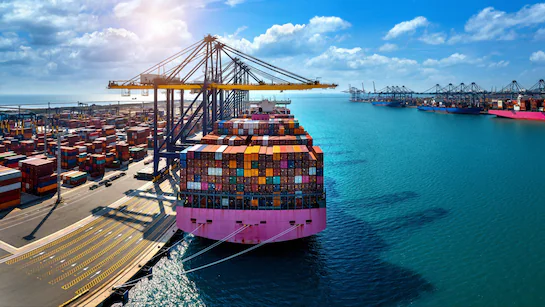
A proposal to expand insurance cover for shipping firms has gained urgency as Gulf tensions disrupt trade routes and elevate maritime risk. Policymakers and industry stakeholders are evaluating risk mitigation frameworks to protect cargo movement, shipping operations and global supply chain stability.
The insurance cover proposal for shipping firms has become a focal point in maritime policy discussions as Gulf tensions heighten uncertainty in key energy and trade corridors. Rising geopolitical risk has increased insurance costs and operational challenges for shipping companies operating in sensitive maritime zones.
Geopolitical tensions drive maritime insurance risk reassessment
Shipping insurance plays a crucial role in safeguarding trade continuity, especially during periods of geopolitical instability. Heightened tensions in the Gulf region have led insurers to reassess risk exposure related to war coverage, piracy threats and supply chain disruption.
Marine insurance premiums often respond quickly to geopolitical developments, reflecting the perceived likelihood of cargo damage, vessel detention or route disruption. Shipping firms are therefore seeking enhanced coverage mechanisms to manage financial risk and ensure uninterrupted operations.
Industry analysts note that insurance frameworks must adapt to evolving threat landscapes, including technological vulnerabilities and hybrid conflict scenarios. Comprehensive coverage structures are essential for maintaining confidence among shipping operators, exporters and global logistics partners.
Trade route vulnerability and energy supply chain implications
The Gulf region remains a critical artery for global energy and commodity trade, making shipping risk management a strategic economic priority. Disruptions in maritime routes can affect oil supply chains, commodity pricing and international trade flows.
Insurance proposals aimed at strengthening risk coverage are seen as part of broader efforts to safeguard maritime commerce. Governments and international bodies are exploring collaborative solutions to stabilize shipping operations and minimize economic fallout from regional tensions.
Enhanced insurance support can help shipping companies maintain route viability and operational planning flexibility. Without adequate coverage, firms may face increased financial exposure that could discourage trade activity in high risk zones.
Shipping sector financial resilience and operational continuity strategies
The urgency around insurance coverage proposals reflects the need to strengthen financial resilience within the shipping sector. Companies are increasingly adopting risk management strategies that combine insurance solutions with operational diversification and route optimization.
Shipping firms often rely on a mix of commercial insurance and government backed guarantees to manage exposure during conflict driven volatility. Strengthening insurance frameworks can improve creditworthiness and support access to financing for fleet operations and cargo handling.
Sector stakeholders emphasize that predictable insurance support mechanisms are critical for maintaining shipping capacity and trade reliability. Inadequate risk coverage may lead to higher freight costs, reduced service frequency and supply chain bottlenecks.
Policy coordination and international maritime governance considerations
Insurance policy reforms related to shipping often require coordination between national authorities, international regulators and insurance providers. Maritime governance frameworks must balance commercial viability with security considerations to ensure stable trade conditions.
Global maritime organizations play a role in facilitating risk assessment guidelines and operational protocols. Strengthening insurance coverage proposals may also involve diplomatic engagement and regional cooperation to address underlying geopolitical challenges.
As Gulf tensions continue to influence maritime risk perception, policymakers are under pressure to develop responsive insurance frameworks that protect economic interests while maintaining international trade commitments.
Market implications for shipping, trade and global economic outlook
Insurance cost dynamics can influence shipping sector profitability, trade pricing and broader economic indicators. Rising premiums may translate into higher transportation costs, affecting commodity markets and consumer prices.
Investors and market participants closely monitor maritime risk developments as part of global macroeconomic analysis. Effective insurance policy responses can help stabilize trade expectations and reduce volatility in energy and logistics sectors.
The outcome of ongoing policy discussions will shape shipping sector resilience and supply chain continuity in an increasingly uncertain geopolitical environment.
Takeaways
• Gulf tensions have intensified the need for expanded shipping insurance coverage
• Maritime risk reassessment is influencing insurance premium structures
• Trade route stability is critical for energy supply chain continuity
• Policy coordination is essential to strengthen shipping sector resilience
FAQ
Q1. Why has the shipping insurance proposal gained urgency
Rising geopolitical tensions in the Gulf region have increased maritime risk, prompting calls for stronger insurance coverage to protect trade operations.
Q2. How do geopolitical risks affect shipping insurance costs
Increased risk perception leads insurers to raise premiums or adjust coverage terms to account for potential operational disruptions.
Q3. What impact can shipping insurance changes have on global trade
Higher insurance costs may raise freight charges, affecting commodity pricing and supply chain efficiency.
Q4. Are governments involved in shipping insurance frameworks
Yes, governments and international organizations often collaborate with insurers to develop risk mitigation policies during periods of geopolitical instability.