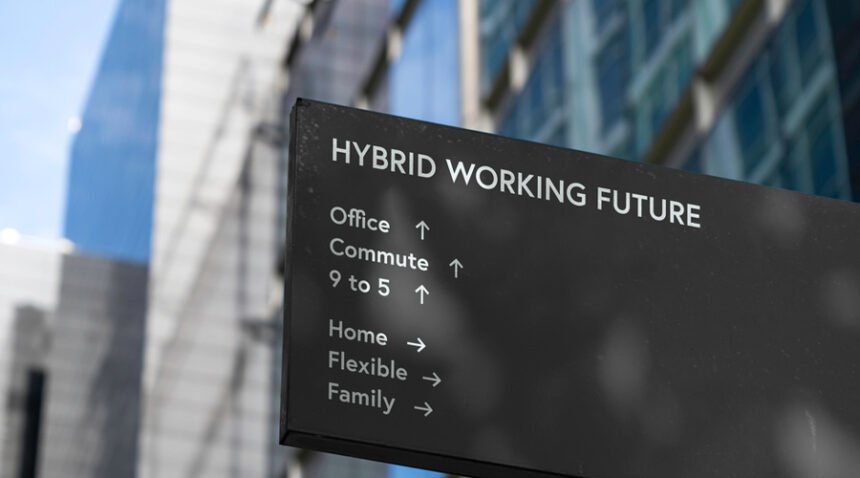
India’s workforce is undergoing a profound transformation. Traditional office setups are no longer the sole model of employment, as remote work, freelancing, and hybrid office arrangements are steadily reshaping how companies operate. Across Tier 1 and Tier 2 cities, businesses and employees alike are adapting to this shift, seeking flexibility, efficiency, and a better work-life balance while navigating the challenges of the digital era.
Remote Work: A Permanent Fixture
Remote work, once considered a temporary solution during the pandemic, has now become a mainstream model for many Indian companies. IT, finance, consulting, and digital marketing sectors have widely adopted remote operations, allowing employees to work from home or any location with stable connectivity.
This shift has widened access to talent across cities, enabling companies to recruit skilled professionals from smaller towns without requiring relocation. For employees, remote work reduces commuting stress, lowers living costs, and allows for greater autonomy over daily schedules.
The Rise of Freelancers and Gig Workers
Freelancing has emerged as a significant segment of India’s workforce. Graphic designers, software developers, content creators, and digital marketers are increasingly offering services on a project basis rather than traditional full-time contracts.
Freelancing provides flexibility for workers to choose projects, clients, and timelines. For businesses, hiring freelancers can be more cost-effective than permanent employees, especially for short-term or specialized projects. Online platforms connecting freelancers with companies have played a crucial role in professionalizing this sector and expanding opportunities beyond metro cities.
Hybrid Offices: Balancing Flexibility and Collaboration
Many organizations are adopting hybrid models, combining remote work with in-office days. This setup aims to retain the benefits of flexibility while maintaining team cohesion, collaboration, and corporate culture. Employees typically work from home for a portion of the week and come to the office for meetings, brainstorming sessions, or client interactions.
Hybrid offices are particularly popular in Tier 1 cities like Bengaluru, Mumbai, and Delhi, where commuting time can be significant. For companies, hybrid models can reduce overhead costs while ensuring critical in-person interactions are preserved.
Challenges and Adaptations
Despite the advantages, these new models come with challenges. Remote teams may face communication gaps, decreased oversight, and difficulty building a cohesive culture. Freelancers can encounter income instability and limited access to benefits. Hybrid offices require careful planning to manage attendance, workflows, and employee satisfaction.
To address these issues, companies are investing in digital collaboration tools, performance tracking software, and structured communication channels. Training managers to lead remote teams effectively is also becoming a priority.
Looking Ahead
The future of work in India is flexible, digital, and decentralized. As technology continues to evolve and employees prioritize work-life balance, remote, freelance, and hybrid models are likely to grow further. Tier 2 cities are becoming increasingly attractive as talent hubs, and businesses willing to adapt will gain a competitive edge in recruiting and retaining skilled professionals.