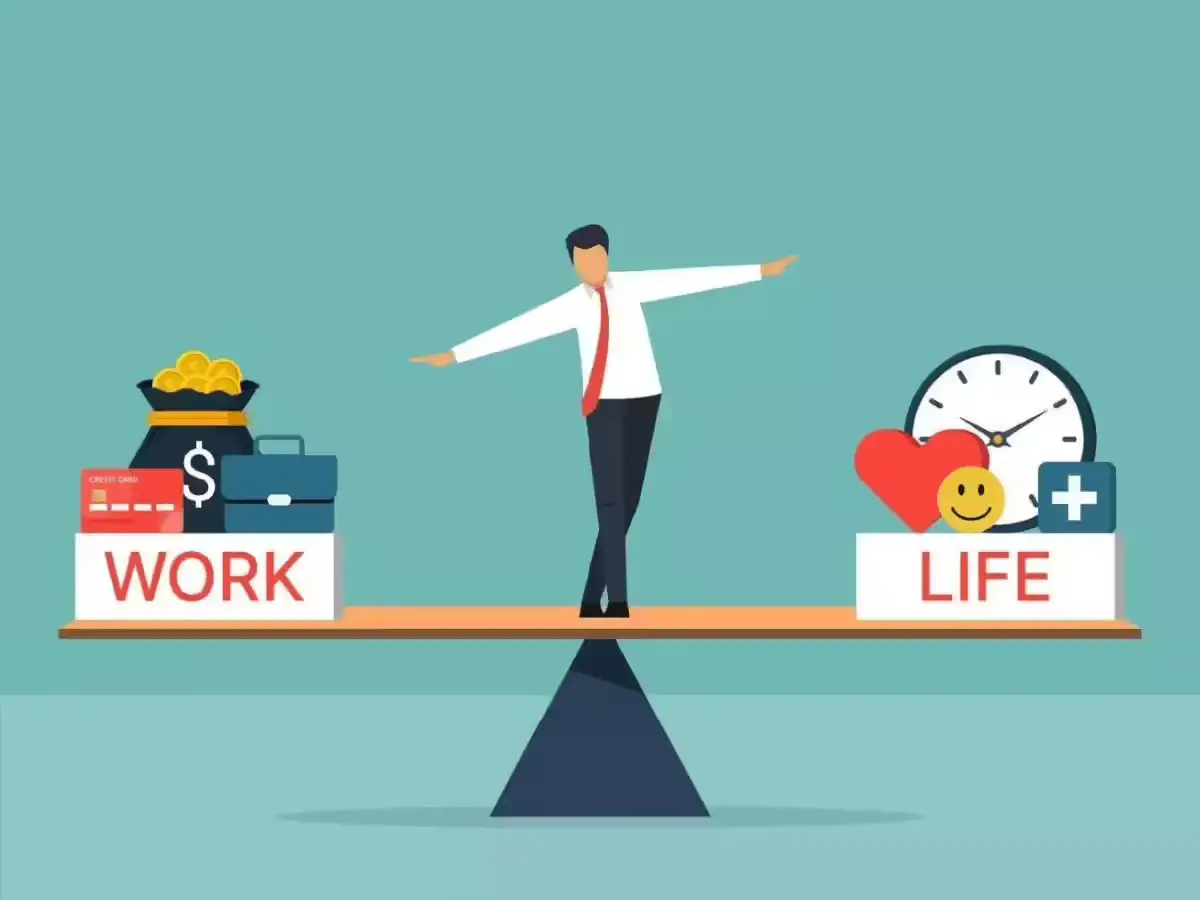
Work-life balance is no longer just a buzzword in corporate India; it has become a critical factor influencing employee satisfaction, productivity, and retention. With the rise of hybrid work models and flexible hours, companies are rethinking traditional work structures. For professionals in Tier 2 cities, balancing career growth with personal commitments is shaping new expectations from employers. The future of work-life balance will hinge on adaptability, technology, and a culture that values wellbeing alongside performance.
Evolving Work Structures
Organizations are moving away from rigid nine-to-five schedules. Remote work, staggered shifts, and flexible leave policies are becoming more common, allowing employees to manage professional and personal responsibilities more effectively.
Technology as an Enabler
Digital tools for collaboration, project management, and communication make it possible to stay connected without being physically present in the office. For smaller cities, this also opens access to national and global opportunities without relocation.
Challenges Ahead
Despite flexibility, blurred boundaries between work and personal life can create stress. Companies must actively support mental health initiatives and encourage employees to disconnect when needed.
Conclusion
The future of work-life balance in India depends on a thoughtful mix of flexibility, technology, and supportive policies. Firms that prioritize employee wellbeing will not only enhance productivity but also attract and retain talent across both metro and Tier 2 cities.