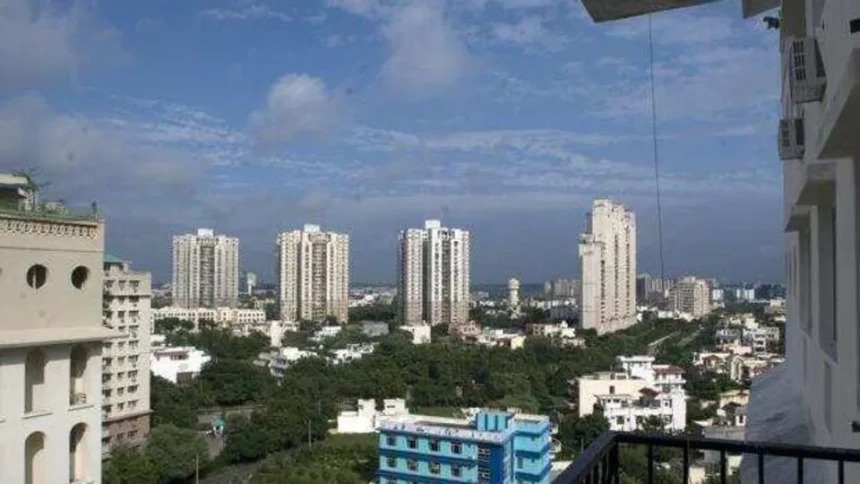
Tier 2 and Tier 3 cities emerged as startup engines in 2025, with regional founders drawing sharper investor focus amid rising costs and saturation in metro hubs. Capital, talent, and innovation increasingly flowed beyond major cities, reshaping India’s startup geography.
Tier 2 and Tier 3 cities emerged as startup engines in 2025, marking a structural shift in India’s entrepreneurial landscape. Investors, founders, and operators increasingly looked beyond traditional metro hubs as regional ecosystems delivered scale, efficiency, and strong unit economics. The trend gained momentum through the year, driven by cost advantages, digital infrastructure, and a new generation of founders building for local and national markets.
Why Startup Activity Shifted Beyond Metro Cities
Rising costs and intense competition in metro cities accelerated the search for alternatives. Office rentals, talent expenses, and customer acquisition costs in top urban centers made early stage execution increasingly capital intensive. In contrast, Tier 2 and Tier 3 cities offered significantly lower operating costs without sacrificing access to skilled talent.
Improved digital connectivity played a decisive role. Widespread broadband penetration, affordable smartphones, and cloud based tools allowed startups to operate nationally from smaller cities. Founders no longer needed to relocate to metros to access markets, capital, or partners. This structural enabler turned regional cities into viable startup bases rather than satellite extensions of metro ecosystems.
Regional Founders Build for Bharat and Beyond
A defining feature of the 2025 shift was the rise of founders deeply rooted in local markets. Regional entrepreneurs identified underserved demand in areas such as logistics, agritech, fintech, healthtech, and local commerce. Their proximity to users allowed sharper problem definition and faster iteration.
Many of these startups built products in regional languages, optimized pricing for non metro consumers, and leveraged offline networks for distribution. This localized execution delivered better retention and lower customer acquisition costs. Investors increasingly viewed regional founders as having an edge in understanding India’s next growth cohort rather than merely replicating metro first models.
Investor Focus Moves to Sustainable Unit Economics
Investor focus on Tier 2 and Tier 3 cities was not driven by geography alone. It was a response to improved capital efficiency. Startups operating from regional hubs consistently demonstrated longer cash runways and earlier breakeven points compared to metro based peers.
As funding markets remained selective in 2025, investors prioritized sustainable unit economics over rapid scale. Regional startups benefited from disciplined spending cultures and access to local talent willing to work at competitive compensation levels. This aligned well with venture capital expectations in a more measured funding environment.
Talent Pools Expand Outside Major Cities
Talent availability emerged as a key enabler. Engineering graduates, product managers, and operators increasingly chose to stay closer to home rather than migrate to metros. Hybrid and remote work models normalized this preference.
Startups in smaller cities tapped into loyal, stable teams with lower attrition rates. This continuity supported long term product development and reduced hiring volatility. Educational institutions, incubators, and state supported innovation programs further strengthened local talent pipelines.
Role of State Policies and Infrastructure
State governments played a supportive role by expanding startup policies, incubation centers, and seed funding programs in non metro regions. Improved physical infrastructure, including highways and logistics networks, reduced geographic disadvantages.
Several states actively positioned their Tier 2 and Tier 3 cities as startup friendly destinations by simplifying compliance and offering incentives. These policy moves amplified private capital interest and accelerated ecosystem maturity.
Implications for India’s Startup Map
The emergence of Tier 2 and Tier 3 cities as startup engines signals a more distributed innovation economy. Rather than a few dominant hubs, India’s startup activity is spreading across multiple regional centers, each with sector specific strengths.
This decentralization reduces systemic risk and broadens economic participation. It also creates new competitive dynamics, where startups from smaller cities increasingly challenge metro incumbents on efficiency and customer insight.
What to Expect in 2026
Looking ahead, the trend is expected to deepen rather than reverse. As success stories from regional cities gain visibility, more founders will choose to build locally. Investors are likely to formalize regional sourcing strategies and expand on ground presence beyond metros.
Tier 2 and Tier 3 cities are no longer peripheral to India’s startup story. In 2025, they became core growth engines, redefining where innovation originates and scales.
Takeaways
- Tier 2 and Tier 3 cities emerged as major startup hubs in 2025
- Regional founders attracted investor interest through capital efficient models
- Lower costs and strong local insights improved startup sustainability
- India’s startup ecosystem is becoming more geographically distributed
FAQs
Why are startups moving to Tier 2 and Tier 3 cities?
Lower operating costs, improved digital infrastructure, and access to local talent make smaller cities attractive for building scalable startups.
Are investors actively funding regional startups?
Yes. Investors increasingly focus on regional founders due to better unit economics and deeper understanding of non metro markets.
Which sectors are growing fastest in these cities?
Fintech, agritech, logistics, healthtech, and local commerce have seen strong traction in Tier 2 and Tier 3 regions.
Will metro cities lose relevance for startups?
No. Metros remain important, but growth is becoming more balanced across regions rather than concentrated in a few cities.