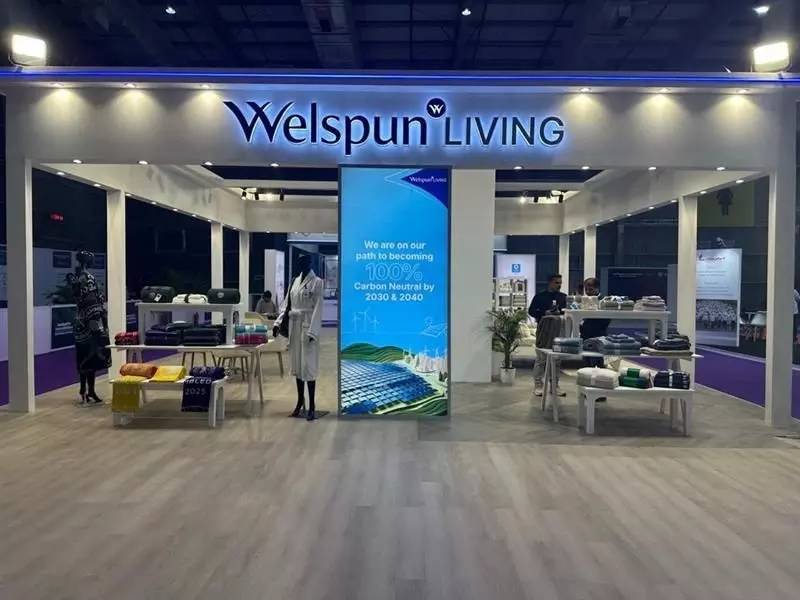
Welspun Living tops S&P Global ESG ranking in textiles, placing the Indian home textiles major at the top of a closely tracked global sustainability benchmark. The recognition has immediate implications for brand positioning, buyer perception, and long term competitiveness in sustainability driven global supply chains.
This is a time sensitive corporate development with strategic consequences for exporters, global retailers, and ESG focused investors tracking textile manufacturing leaders.
Why the S&P Global ESG ranking matters in textiles
The S&P Global ESG ranking is one of the most influential corporate sustainability assessments used by global investors and procurement teams. It evaluates companies on environmental performance, social responsibility, and governance practices using standardized metrics across industries.
For the textile sector, which faces intense scrutiny over water usage, energy consumption, labor practices, and supply chain transparency, such rankings carry outsized weight. Buyers increasingly use ESG scores as a screening tool when awarding long term sourcing contracts.
Welspun Living topping this ranking signals that its sustainability practices outperform global peers on measurable parameters rather than narrative positioning. This distinction matters in an industry where greenwashing risks are high and verification is critical.
How Welspun Living achieved global ESG leadership
Welspun Living’s ESG leadership is built on years of investment in sustainable manufacturing rather than short term compliance measures. The company has focused on water stewardship, renewable energy adoption, waste reduction, and traceable sourcing across its operations.
In water intensive textile processing, the company has implemented large scale recycling and zero liquid discharge systems, reducing freshwater dependence. Energy transition initiatives include higher renewable power usage and efficiency upgrades that lower emissions per unit of output.
On the social side, structured labor standards, workplace safety programs, and community engagement contribute to consistent compliance across facilities. Governance practices such as board oversight, disclosure standards, and risk management frameworks strengthen credibility with institutional stakeholders.
Impact on global brand positioning and buyer trust
Topping the S&P Global ESG ranking materially enhances Welspun Living’s global brand positioning. Large international retailers and hospitality brands increasingly align procurement decisions with ESG benchmarks to meet their own sustainability commitments.
For these buyers, sourcing from a top ranked supplier reduces reputational risk and simplifies compliance reporting. It also supports long term supplier relationships rather than transactional purchasing.
In competitive bid situations, ESG leadership can act as a differentiator alongside price, quality, and delivery capability. This positions Welspun Living as a preferred partner rather than a commodity supplier, strengthening negotiating leverage.
Implications for exports and premium market access
ESG performance is becoming a gateway to premium markets, particularly in Europe and North America. Regulatory frameworks and consumer expectations are pushing brands to demonstrate responsible sourcing across their value chains.
Welspun Living’s ranking strengthens its access to these markets by aligning with evolving import standards and sustainability disclosures. It also supports participation in higher margin product categories where traceability and environmental credentials justify premium pricing.
For export oriented textile companies, this development underscores that sustainability investment is no longer optional. Those lagging on ESG metrics risk exclusion from key buyer ecosystems over time.
Investor perception and capital market relevance
From an investor standpoint, strong ESG rankings influence capital allocation decisions. ESG focused funds and long only institutional investors increasingly integrate such scores into portfolio construction.
Welspun Living’s leadership position enhances its appeal to this investor base by signaling lower regulatory risk, stronger governance, and long term resilience. It also supports valuation stability during periods of sector volatility, as sustainability leaders are often viewed as structurally stronger businesses.
Access to sustainability linked financing and favorable borrowing terms can also improve as lenders incorporate ESG performance into credit assessments.
Broader impact on the Indian textile industry
Welspun Living topping a global ESG ranking reflects positively on India’s textile manufacturing ecosystem. It challenges outdated perceptions around environmental and social standards in emerging market production.
The achievement sets a benchmark for domestic peers, increasing pressure on the industry to accelerate sustainability upgrades. Over time, this could improve India’s competitiveness as a sourcing destination amid tightening global compliance norms.
Policy makers and industry bodies may also leverage such success stories to position Indian textiles as responsible and future ready on the global stage.
Strategic risks and execution challenges ahead
Maintaining ESG leadership is more demanding than achieving it. As disclosure standards evolve and benchmarks tighten, companies must continuously invest to stay ahead.
Operational scale ups, capacity additions, and supply chain expansion introduce new sustainability risks that need careful management. Any lapse can quickly erode hard earned credibility.
Welspun Living will need to integrate ESG considerations deeply into growth planning rather than treating them as parallel initiatives. Consistency across geographies and suppliers will be critical.
Takeaways
Welspun Living’s top ESG ranking strengthens global brand credibility
Sustainability leadership improves access to premium buyers and markets
Investor confidence benefits from strong ESG performance signals
The ranking raises sustainability benchmarks for the Indian textile sector
FAQs
Why is the S&P Global ESG ranking important for textile companies?
It influences investor decisions and buyer sourcing strategies by providing standardized sustainability assessments.
How does ESG leadership affect global brand positioning?
It builds trust with international buyers and supports long term partnerships over transactional sourcing.
Does this impact Welspun Living’s exports?
Yes, strong ESG credentials enhance access to regulated and premium export markets.
Can other textile firms replicate this success?
Yes, but it requires sustained investment in environmental systems, labor standards, and governance practices.