Quick commerce logistics startup Zippee has surpassed 9 lakh monthly orders as demand for faster delivery grows among direct to consumer brands. The milestone highlights the rapid expansion of India’s quick commerce logistics ecosystem and the rising importance of specialized fulfillment networks.
Quick commerce logistics startup Zippee has crossed 9 lakh monthly orders as India’s direct to consumer delivery market continues to expand. The milestone reflects the rising demand for fast fulfillment solutions among digital first brands that want to deliver products directly to customers without relying solely on large marketplace platforms. The growth of Zippee’s order volumes signals a larger transformation in the e commerce logistics industry, where speed, inventory proximity, and last mile efficiency have become critical competitive advantages.
Rapid Expansion of Quick Commerce Logistics in India
Quick commerce logistics has become one of the fastest growing segments within the broader e commerce industry. Consumers increasingly expect deliveries within hours rather than days, forcing brands to rethink traditional logistics models.
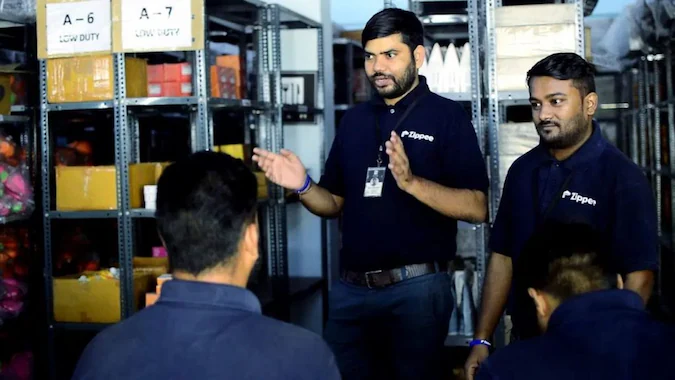
This shift has created opportunities for specialized logistics companies that build infrastructure specifically for rapid delivery. Zippee operates a network designed to help brands fulfill online orders through strategically located fulfillment hubs and integrated delivery systems.
In the traditional e commerce model, products are often shipped from centralized warehouses located far from urban consumers. This process can extend delivery timelines and increase shipping costs. Quick commerce logistics addresses this challenge by placing inventory closer to demand clusters.
The ability to process and dispatch orders quickly allows brands to compete with large e commerce marketplaces that already offer fast delivery services.
Rise of Direct to Consumer Brands Driving Logistics Demand
The direct to consumer business model has gained significant traction in India over the past decade. D2C brands sell products directly through their own websites and digital channels instead of relying exclusively on traditional retail stores or third party marketplaces.
This approach gives brands greater control over customer experience, pricing, and marketing strategies. However, managing logistics becomes more complex because brands must handle warehousing, order fulfillment, and delivery operations.
Logistics partners such as Zippee play a crucial role in enabling this model. By offering fulfillment infrastructure and delivery management systems, they allow D2C companies to focus on product development and brand building.
Categories such as beauty products, health supplements, fashion accessories, electronics, and lifestyle goods are particularly active in the D2C segment. Many of these brands rely on fast delivery to improve customer satisfaction and drive repeat purchases.
Technology and Micro Warehousing Enable Fast Delivery
Technology plays a major role in quick commerce logistics operations. Companies rely on advanced software platforms to manage inventory tracking, order processing, and delivery route optimization.
Zippee’s logistics system uses micro warehousing strategies that store inventory in smaller facilities located within or near urban areas. These micro fulfillment centers reduce the distance between products and consumers.
When a customer places an order online, the system identifies the nearest warehouse with available inventory and initiates the delivery process. This approach significantly reduces delivery times compared with traditional centralized distribution networks.
Automation tools and real time data analytics also help optimize operations. Logistics platforms can predict demand patterns, allocate inventory efficiently, and manage delivery fleets to ensure faster order fulfillment.
As digital commerce continues expanding, these technology driven logistics models are becoming essential for modern retail.
Competitive Landscape in the Quick Commerce Sector
The quick commerce sector in India has become increasingly competitive as companies race to capture growing consumer demand for fast delivery. Large platforms have invested heavily in logistics infrastructure including dark stores, automated warehouses, and last mile delivery networks.
At the same time, specialized logistics providers are building services tailored specifically for independent brands. Instead of competing directly with marketplaces, these companies enable brands to maintain direct relationships with their customers.
Zippee’s rapid growth in order volume highlights the strong demand for third party logistics partners that support D2C business models. By offering scalable fulfillment infrastructure, logistics startups help emerging brands expand without building expensive warehousing systems themselves.
As more brands shift toward omnichannel retail strategies, flexible logistics networks will become increasingly important.
Future Outlook for Quick Commerce Logistics
The future of quick commerce logistics in India appears promising as digital shopping adoption continues to increase. Urban consumers are becoming accustomed to faster delivery services across product categories ranging from groceries to electronics.
For D2C brands, speed of delivery has become a critical factor in customer experience. Companies that can deliver products quickly often gain a competitive advantage in crowded online markets.
Logistics startups that specialize in micro fulfillment and last mile delivery are therefore positioned to play a central role in the evolution of digital commerce. Continued investment in technology infrastructure, warehousing networks, and delivery optimization will likely drive further growth.
Zippee’s milestone of crossing 9 lakh monthly orders demonstrates the scale that quick commerce logistics platforms can achieve as the D2C economy expands.
Takeaways
Zippee has crossed 9 lakh monthly orders as quick commerce logistics demand rises
Direct to consumer brands are driving demand for fast fulfillment services
Micro warehousing and logistics technology enable rapid order processing
Quick commerce logistics is becoming critical to India’s digital retail ecosystem
FAQs
What does Zippee do in the quick commerce ecosystem?
Zippee provides logistics and fulfillment services that help direct to consumer brands deliver products quickly to customers through specialized warehousing and delivery networks.
Why is quick commerce growing in India?
Consumers increasingly expect faster deliveries when shopping online, leading companies to invest in rapid fulfillment infrastructure.
What are micro fulfillment centers?
Micro fulfillment centers are smaller warehouses located near urban demand areas that enable faster order processing and delivery.
How do logistics startups help D2C brands?
They provide warehousing, inventory management, and delivery infrastructure so brands can focus on product development and marketing.