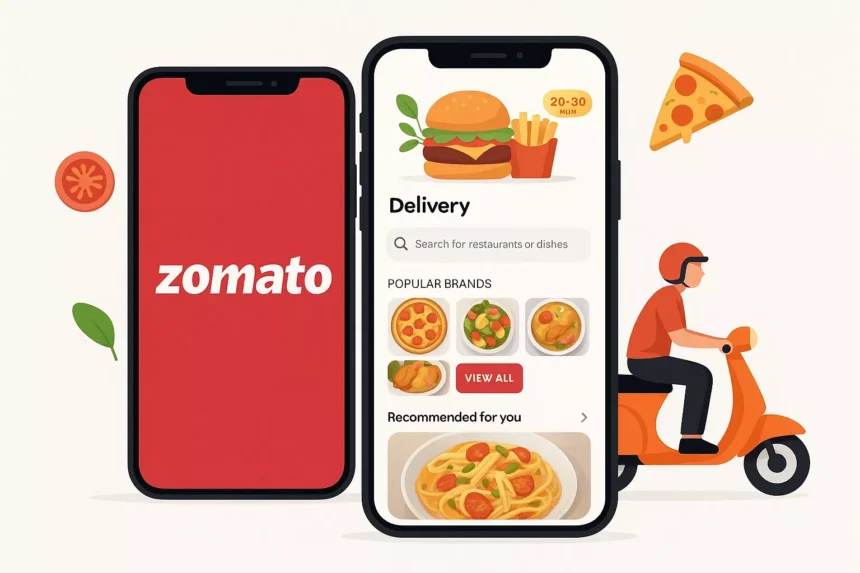
Zomato is testing AI-driven menu pricing to help restaurants optimize margins and respond dynamically to demand patterns. The move reflects a broader shift toward data-led pricing in food delivery as platforms and partners look to improve profitability.
Zomato AI menu pricing is emerging as a key experiment in India’s food delivery market, where cost pressures and competitive pricing have squeezed restaurant margins. By leveraging artificial intelligence, Zomato aims to help partners adjust prices in real time based on demand, location, and customer behavior.
AI Pricing Strategy Signals Shift in Food Delivery Economics
Zomato’s move to introduce AI-driven pricing highlights a strategic shift in how food delivery platforms approach revenue optimization. Traditionally, menu prices on aggregators have remained static, with occasional manual changes by restaurant partners.
With AI, pricing can become dynamic, similar to airline tickets or ride-hailing fares. The system can analyze variables such as order volume, peak hours, customer preferences, and local competition to suggest optimal pricing.
This approach is designed to improve restaurant margins without significantly affecting order volumes. It also allows restaurants to better manage demand fluctuations, especially during high-traffic periods.
The test phase indicates that Zomato is exploring ways to move beyond discount-led growth toward smarter monetization strategies.
Restaurant Margins Under Pressure Drive Innovation
Restaurants operating on food delivery platforms have been facing margin pressure due to commissions, discounts, and rising input costs. Many partners have struggled to maintain profitability while staying competitive on pricing.
AI-driven menu pricing offers a potential solution by enabling data-backed decisions rather than relying on guesswork. For example, prices can be slightly increased during peak demand when customers are less price-sensitive.
At the same time, prices can be adjusted downward during low-demand periods to drive order volume. This balance could help restaurants maximize revenue while maintaining customer satisfaction.
However, the success of this model depends on how well it aligns with consumer expectations and price sensitivity.
Dynamic Pricing in Food Delivery Raises Consumer Questions
While AI pricing can benefit restaurants, it also raises questions about transparency and fairness for consumers. Dynamic pricing models have faced criticism in other industries, particularly when customers perceive price fluctuations as unpredictable or unfair.
Zomato will need to ensure that pricing changes are within acceptable limits and do not lead to negative user experiences. Clear communication and consistent pricing logic will be key to building trust.
There is also the risk of regulatory scrutiny if pricing practices are seen as discriminatory or misleading. As the food delivery market matures, platforms may need to adopt standardized guidelines for dynamic pricing.
Balancing innovation with consumer trust will be critical for long-term adoption.
Technology and Data at the Core of AI Menu Pricing
The effectiveness of AI-driven pricing depends on the quality of data and algorithms used. Zomato has access to large volumes of data, including user behavior, order patterns, and geographic trends.
Machine learning models can process this data to identify pricing opportunities that maximize both revenue and order conversion rates. Real-time adjustments allow restaurants to respond quickly to changing conditions.
Integration with restaurant dashboards will be important to ensure that partners have control and visibility over pricing decisions. Automated recommendations combined with manual oversight can help maintain balance.
As the system evolves, it could become a standard feature for restaurant partners on the platform.
Competitive Implications for Food Delivery Platforms
Zomato’s AI pricing experiment could influence the broader competitive landscape in food delivery. If successful, it may prompt other platforms to adopt similar strategies to support restaurant partners.
Competitors like Swiggy are also investing in technology and analytics to improve efficiency and profitability. The focus across the industry is shifting from customer acquisition to sustainable unit economics.
AI-driven pricing could become a differentiator in attracting and retaining restaurant partners. Platforms that offer better tools for margin optimization may gain an edge in the market.
This trend reflects the increasing role of technology in shaping business models within the food delivery ecosystem.
Future Outlook for AI in Food Delivery
The introduction of AI menu pricing is part of a larger trend toward automation and data-driven decision-making in food delivery. As competition intensifies, platforms are exploring new ways to improve profitability for both themselves and their partners.
If implemented effectively, AI pricing could enhance efficiency and create a more resilient business model. However, adoption will depend on user acceptance and regulatory clarity.
The current testing phase will provide insights into how dynamic pricing impacts order behavior, customer retention, and overall revenue.
Zomato’s experiment signals that the next phase of growth in food delivery will be driven by smarter technology rather than aggressive discounting.
Takeaways
- Zomato is testing AI-driven menu pricing to improve restaurant margins
- Dynamic pricing could optimize revenue based on demand patterns
- Consumer trust and transparency will be key challenges
- Technology is becoming central to food delivery profitability strategies
FAQs
What is AI-driven menu pricing?
It is a system that uses artificial intelligence to adjust menu prices based on factors like demand, location, and customer behavior.
Why is Zomato testing this feature?
To help restaurants improve margins and reduce reliance on discounts.
Will customers see different prices for the same item?
Prices may vary based on demand and timing, but platforms aim to keep changes within reasonable limits.
Is dynamic pricing common in other industries?
Yes, it is widely used in sectors like airlines and ride-hailing services.