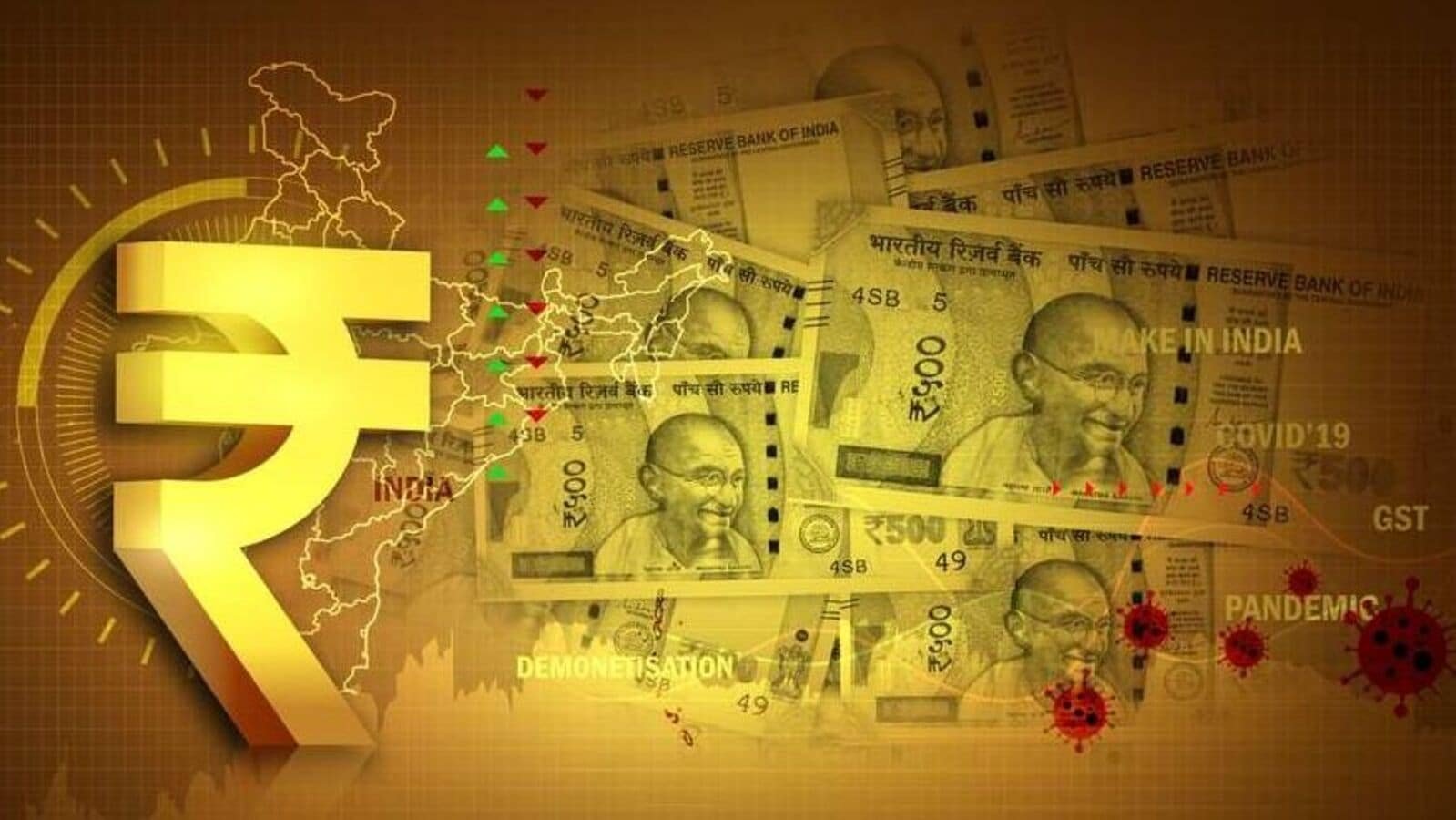
The introduction of India’s digital rupee is poised to change the way consumers transact, save, and manage money. Designed as a government-backed digital currency, it aims to provide a secure, efficient, and transparent alternative to cash. For people in metros and Tier 2 cities, this innovation could simplify payments, reduce transaction costs, and enhance financial inclusion, while also raising questions about privacy, security, and adoption in everyday life.
Seamless and Efficient Payments
The digital rupee enables instant transfers between individuals and businesses without intermediaries. Transactions can be completed using mobile devices, reducing dependency on cash and traditional banking infrastructure, especially in smaller cities with limited banking access.
Enhanced Security and Transparency
Being government-backed, the digital rupee offers security against counterfeiting and fraud. Transaction records are maintained in a secure digital ledger, improving transparency for both consumers and regulators while reducing risks associated with physical cash handling.
Financial Inclusion and Accessibility
Digital currency can bridge gaps in financial access, allowing people in Tier 2 and Tier 3 cities to participate in digital payments and e-commerce. It supports easy onboarding for new users and promotes inclusion for those previously outside the formal banking system.
Challenges and Considerations
Adoption depends on technology literacy, smartphone penetration, and internet connectivity. Consumers must understand digital wallets, QR payments, and security measures to fully benefit, while also being aware of privacy and data protection issues.
Conclusion
India’s digital rupee represents a step toward a more efficient, secure, and inclusive financial system. For consumers across the country, it offers convenience, safety, and broader access to digital finance, while highlighting the need for awareness and responsible usage to maximize its benefits.