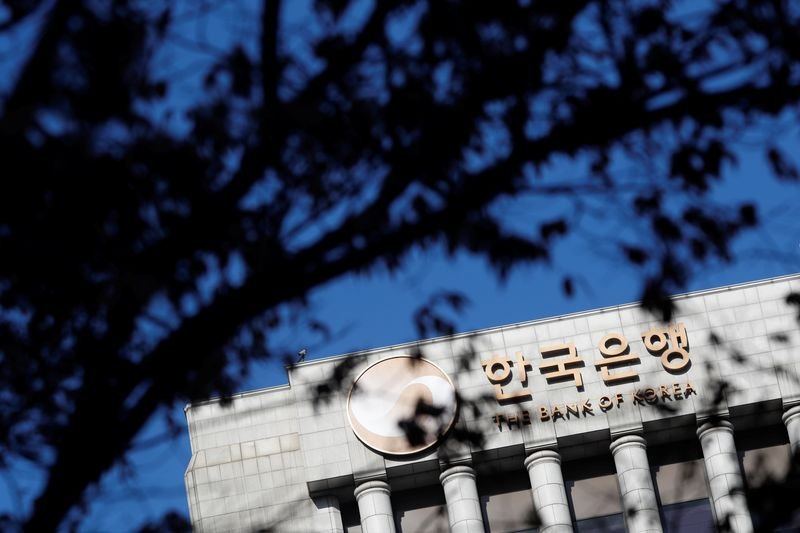
The Bank of Korea (BOK) announced it will maintain its benchmark interest rate at 2.50 percent during its meeting on 27 November, citing risks from a weak won and elevated housing prices. Policymakers now project the next cut only in early 2026.
Why the BOK is staying pat
The first key fact is that the BOK’s main interest rate will remain at 2.50 percent. This decision reflects multiple pressures: the Korean won has weakened over recent months, the housing market remains overheated in certain regions, and inflation remains at or above the BOK’s 2 percent target. Domestic growth is modest but still below potential, so the central bank is balancing competing risks. The earlier expectation of a rate cut in November has been revised, as a majority of economists now expect the next easing move in the first quarter of 2026.
Domestic growth and inflation context
While the Korean economy posted an annualised growth of about 1.2 percent in the third quarter — the fastest pace in over a year — inflation in October measured roughly 2.4 percent, slightly above the bank’s target. These numbers matter because they reduce the urgency of an immediate cut. Although growth is weak relative to structural potential, inflation and currency pressures are seen as sufficient reasons to maintain the status quo. In addition, the BOK has already delivered roughly 100 basis points of rate cuts since late 2024, and thus may be pausing to assess the transmission of prior easing.
Housing market and financial stability risks
A significant driver of the hold decision is the housing market. In Seoul and surrounding metropolitan areas housing prices continue to rise or remain elevated. The BOK minutes show that board members remain concerned about financial stability risks tied to household debt and real estate. A sharp drop in rates could fuel further property speculation or encourage excessive borrowing. Similarly, the weak won raises import-cost inflation risks and feed into inflation expectations, which constrains the central bank’s flexibility.
Weak won and export tension
Another complicating factor is the Korean won’s depreciation. A weaker currency increases the cost of imported goods and inflation risk, even while it may boost export competitiveness. Because the won has weakened for several months, the BOK is cautious about further monetary easing under such foreign exchange stress. Export-led sectors may benefit from a weaker currency, but inflationary pressures and capital outflow risks flag danger to monetary strategy.
Next steps and market expectations
The key takeaway for markets is that the BOK’s easing cycle is likely extended. Economists currently expect one more rate cut by end-March 2026, lowering rates perhaps to 2.25 percent, though some expect 2.00 percent. However, the timing remains uncertain and contingent on better housing market signals, a stronger currency and clearer global trade outlook. Investors will monitor upcoming data on inflation, household debt, property prices and FX flows closely. If the won stabilises and housing demand softens, the window for cuts may open. Until then, the bank is adopting a wait-and-watch stance.
Implications for markets and broader economies
For financial markets, a delayed cut means Korean bonds may see less favourable yield compression, and domestic banks may not benefit immediately from rate relief. For the export sector the weak won remains a mixed bag — beneficial for exporters in the near term but inflationary for consumers and manufacturers relying on imports. From a global perspective, the BOK’s decision illustrates how mid-sized economies face dilemmas: balancing growth support with financial stability and currency risk in an era of divergent global monetary paths.
Takeaways
The BOK will keep its policy rate at 2.50 percent on 27 November.
Weak won and elevated housing prices are key restraining factors for easing.
Next rate cut is now expected in Q1 2026 rather than November.
The decision underlines the BOK’s cautious stance amid competing risks.
FAQs
Why did the Bank of Korea decide not to cut rates now?
Because inflation remains near target, the currency is weak and housing market risks remain elevated, making it premature to ease.
What does a rate cut in Q1 2026 mean for borrowers and banks?
Borrowers will have to wait longer for relief via reduced borrowing costs. Banks may see less margin pressure but also slower demand for credit.
How does the weak won factor into this decision?
A weaker won raises import costs and inflation risk, limiting the central bank’s room to ease without stoking inflation.
What are the triggers for the next rate cut by the BOK?
Improvement in housing market indicators, stabilisation of the won, lower inflation and clearer global economic outlook would likely prompt an easing move.