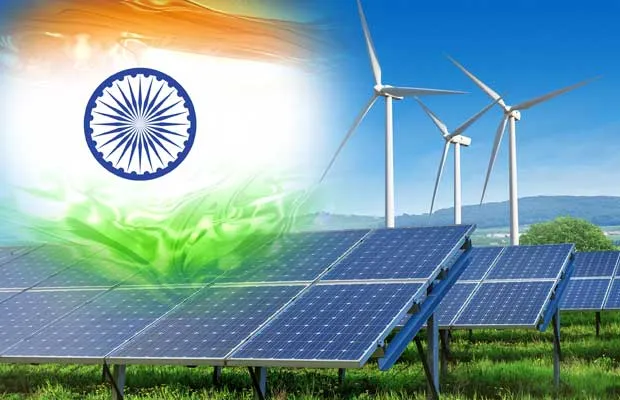
India has set ambitious renewable energy targets, aiming to significantly increase solar, wind, and other clean energy capacities by 2030. Tier 2 cities and industrial hubs are central to achieving these goals, with potential for local investments, job creation, and technological adoption. Meeting these targets requires careful planning, robust infrastructure, and policy support to balance growth with sustainability.
Solar and Wind Potential
India’s geography offers vast potential for solar and wind energy. Expanding solar parks and wind farms in semi-urban and rural areas can help achieve capacity goals while creating employment opportunities outside metropolitan centers.
Policy and Investment Support
Government incentives, subsidies, and public-private partnerships are crucial to attract investments. Clear regulations and financial support can accelerate adoption by businesses and households alike.
Infrastructure and Grid Challenges
Integrating renewable energy into the national grid remains a challenge. Strengthening transmission networks and storage solutions is essential to ensure consistent power supply and reduce dependence on fossil fuels.
Community Participation and Local Impact
Local communities in Tier 2 cities can benefit from decentralized energy solutions. Encouraging adoption at the residential and small business levels enhances energy security and spreads economic benefits more evenly.
Conclusion
India’s renewable energy ambitions are achievable but demand coordinated efforts across policy, technology, infrastructure, and local engagement. Success will not only reduce carbon emissions but also stimulate economic growth in cities beyond the major metropolitan hubs.