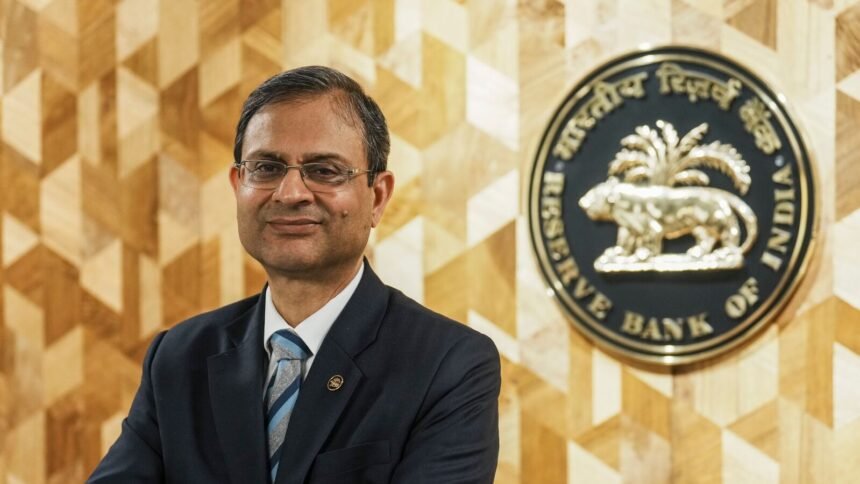
Earnings revival meets macro caution is the main keyword shaping expectations ahead of the Reserve Bank of India policy review, with the central bank widely expected to maintain status quo despite low inflation. Markets are watching whether strong corporate results and mixed global signals influence the RBI’s short term stance.
India’s inflation has remained within the central bank’s comfort band, and recent GDP numbers have reinforced confidence in the domestic growth cycle. Yet global uncertainty, uneven exports and volatile commodity prices are prompting policymakers to avoid premature rate shifts. The combination of healthy earnings and fragile external conditions has created a nuanced environment for the next policy decision.
Why low inflation alone may not push the RBI toward rate cuts
Inflation trending lower has strengthened the argument for a more flexible monetary outlook. Food prices have stabilised, core inflation remains moderate and supply side pressures are easing across several categories. However, the RBI is prioritising sustained disinflation over momentary signals. Its focus remains on keeping inflation anchored and preventing sudden spikes that could disrupt economic stability.
Global context is a key factor. Monetary tightening in advanced economies is slowing but not reversing decisively. Any unexpected rise in US yields or commodity prices could spill over into emerging markets, potentially putting pressure on the rupee. The RBI continues to view external risk as a major consideration in rate decisions, especially during periods of currency sensitivity.
Policymakers are also evaluating how quickly inflation can rebound as urban consumption strengthens and rural demand recovers. The central bank prefers a longer runway of stable inflation data before adjusting its stance.
Strong earnings strengthen the case for policy continuity
Corporate earnings have shown a clear revival across sectors including financial services, autos, capital goods, construction materials and consumer staples. Banks are reporting healthy credit growth, reduced slippages and better asset quality. Manufacturing companies have benefited from lower input costs and improved operating efficiencies. Consumer companies have seen gradual demand recovery across urban and semi urban regions.
This broad based recovery reduces the urgency to deliver monetary easing. The RBI often avoids rate cuts when earnings momentum is strong because market valuations already reflect optimism. Lowering rates prematurely could inflate asset prices at a pace inconsistent with long term fundamentals.
Analysts note that the central bank typically prefers stability during strong earnings cycles to avoid sending conflicting signals. By maintaining current rates, the RBI can continue monitoring macro conditions without triggering speculative market behaviour.
Economic growth supports a wait and watch approach
India’s latest GDP numbers confirm strong growth momentum supported by investment activity, services expansion and domestic consumption. The pickup in construction and infrastructure spending has boosted employment and credit demand, creating additional support for economic stability.
However, the RBI is cautious about weak export performance. Global trade remains under pressure, and soft external demand could weigh on manufacturing through early 2026. Policymakers are also tracking fiscal signals ahead of the budget, as spending patterns and revenue assumptions could influence liquidity conditions in the banking system.
Currency stability remains a critical factor. A weaker rupee can complicate the inflation outlook and add volatility to imported commodities. The RBI’s currency management strategy requires a stable policy environment, which strengthens the case for holding rates steady in the near term.
Markets expect clarity on liquidity, not rate actions
While rate cuts are unlikely, markets expect clearer guidance on liquidity management. Banking system liquidity has fluctuated due to government cash balances and external flows. Traders anticipate RBI commentary on open market operations, durable liquidity injections and overnight rates.
Equity markets have priced in policy continuity, while bond markets expect a measured approach to liquidity rather than outright easing. Investors will track the tone of the policy statement for cues on the timing of any future accommodation.
Economists argue that the RBI could adopt a balanced tone acknowledging low inflation and strong growth while emphasising vigilance on global risks. This approach would maintain policy flexibility without committing to early shifts.
Takeaways
The RBI is likely to keep rates unchanged despite low inflation and strong earnings.
External risks, export weakness and currency considerations support a cautious stance.
Corporate earnings improvement reduces urgency for monetary easing.
Markets expect clarity on liquidity rather than immediate rate action.
FAQs
Why will the RBI avoid rate cuts even with low inflation?
The central bank wants consistent disinflation and remains cautious about global risks that could trigger sudden inflationary pressures.
How do strong earnings influence monetary policy?
When corporate results are strong, the RBI avoids premature easing to prevent excessive market speculation and maintain stability.
What global risks is the RBI worried about?
Volatile US yields, geopolitical tensions and commodity price swings can affect the rupee and domestic inflation outlook.
Will liquidity conditions improve after the policy review?
The RBI may provide guidance on liquidity management tools, but significant changes will depend on market conditions and fiscal flows.