
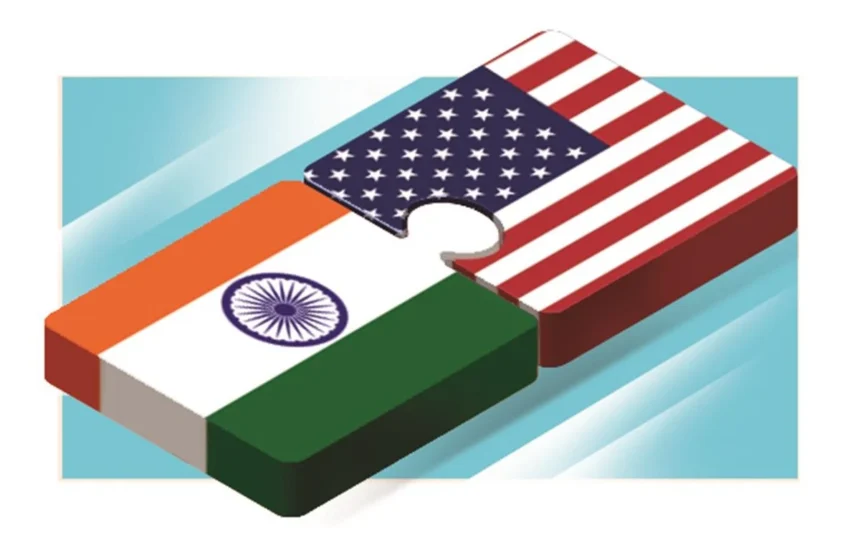
India US trade talks are moving toward resolution sooner than later, according to senior negotiators, raising expectations of tariff relief for exporters facing prolonged uncertainty. The renewed momentum signals a possible reset in bilateral trade relations after years of stalled negotiations and selective protectionism.
India US trade talks are clearly time sensitive and the tone remains news focused. The latest signals from negotiators suggest both sides are prioritising outcomes that can unlock trade flows, reduce tariff friction, and stabilise supply chains at a moment when global demand remains uneven.
Negotiations Pick Up After Prolonged Pause
The current phase of India US trade talks follows months of behind the scenes engagement aimed at resolving legacy disputes and narrowing gaps on market access. While no formal deadline has been announced, officials have indicated that talks are progressing faster than earlier rounds.
At the core of the discussions are tariff related issues that have constrained exports in key sectors. Indian negotiators are pushing for lower duties on labour intensive goods such as textiles, apparel, leather, and select agricultural products. The US side is seeking improved access in areas such as industrial goods, digital trade, and services.
This renewed urgency reflects shared economic realities. Both countries are navigating slowing global trade, geopolitical disruptions, and domestic pressure to protect jobs while keeping inflation under control.
Exporters See Tariff Relief as Immediate Catalyst
For Indian exporters, tariff relief is the most tangible outcome they are watching. Elevated duties have reduced competitiveness in the US market, particularly for small and mid sized firms that operate on thinner margins.
Sectors such as engineering goods, pharmaceuticals, chemicals, and auto components have also flagged tariff uncertainty as a barrier to long term contracts. Exporters argue that even partial rollbacks could restore pricing power and revive order pipelines.
On the US side, importers and retailers have expressed interest in predictable supply chains and stable sourcing costs. Tariff relief could lower input prices and ease inflationary pressure without undermining domestic manufacturing priorities.
Strategic Context Shapes Trade Calculations
India US trade talks are unfolding within a broader strategic context. Both countries are seeking to deepen economic ties as part of wider geopolitical alignment and supply chain diversification strategies.
India is positioning itself as a reliable manufacturing and services partner as companies look to reduce concentration risk. The US sees value in strengthening trade relations with economies that offer scale, skilled labour, and growing domestic markets.
This strategic alignment does not eliminate differences, but it creates incentives to resolve them pragmatically. Trade negotiators are increasingly focused on incremental wins rather than sweeping comprehensive agreements that have proven difficult in the past.
Digital Trade and Services Remain Sensitive Areas
Beyond tariffs, digital trade and services continue to feature prominently in discussions. Issues such as data flows, regulatory transparency, and market access for digital services remain sensitive but unavoidable.
India has been cautious in preserving policy space for its digital economy, while the US has consistently advocated for open digital trade frameworks. Recent dialogue suggests both sides are exploring compromises that balance innovation with regulatory sovereignty.
Services exports, particularly IT and professional services, remain a strong pillar of bilateral trade. Stability in this segment is critical for sustaining overall trade momentum even as goods trade faces cyclical pressures.
What Markets and Businesses Are Watching
Markets have reacted cautiously optimistic to reports of progress in India US trade talks. Export oriented stocks have seen selective interest, particularly in sectors most exposed to tariff outcomes.
Businesses are closely tracking signals from negotiators to guide inventory planning, pricing strategies, and capital allocation. For exporters, clarity on tariffs could influence decisions on capacity expansion and workforce hiring in the coming quarters.
Importantly, expectations remain measured. Stakeholders understand that trade negotiations rarely deliver overnight transformation. The focus is on practical relief rather than symbolic announcements.
Risks That Could Delay an Agreement
Despite the positive tone, several risks could slow progress. Domestic political considerations in both countries can complicate trade decisions, especially when elections or legislative priorities compete for attention.
Disagreements over standards, safeguards, and dispute resolution mechanisms may also resurface as talks move closer to finalisation. Any escalation in global trade tensions could divert focus away from bilateral engagement.
Still, negotiators appear aware of these risks and are emphasising flexibility and phased implementation to avoid derailment.
Outlook for Bilateral Trade in 2026
If tariff relief materialises in the near term, bilateral trade volumes could see a meaningful lift in 2026. Exporters would benefit from restored competitiveness, while importers gain cost stability.
More broadly, successful progress in India US trade talks would reinforce confidence in incremental, issue based trade diplomacy. It would also set the stage for deeper engagement in emerging areas such as clean energy, critical minerals, and advanced manufacturing.
The coming weeks will be critical in determining whether the current momentum translates into concrete outcomes or remains another round of cautious optimism.
Takeaways
- India US trade talks are advancing faster than previous rounds.
- Exporters are focused on tariff relief as the most immediate gain.
- Strategic alignment is supporting pragmatic negotiation approaches.
- Markets remain cautiously optimistic but outcomes are not guaranteed.
FAQ
Why are India US trade talks gaining urgency now?
Both sides are responding to slowing global trade and the need for supply chain stability.
Which sectors could benefit most from tariff relief?
Textiles, engineering goods, pharmaceuticals, and auto components are key beneficiaries.
Are digital trade issues part of the negotiations?
Yes. Digital services, data flows, and regulatory alignment remain important discussion points.
Will an agreement be comprehensive or limited?
Current indications suggest a phased, issue focused outcome rather than a broad trade pact.


