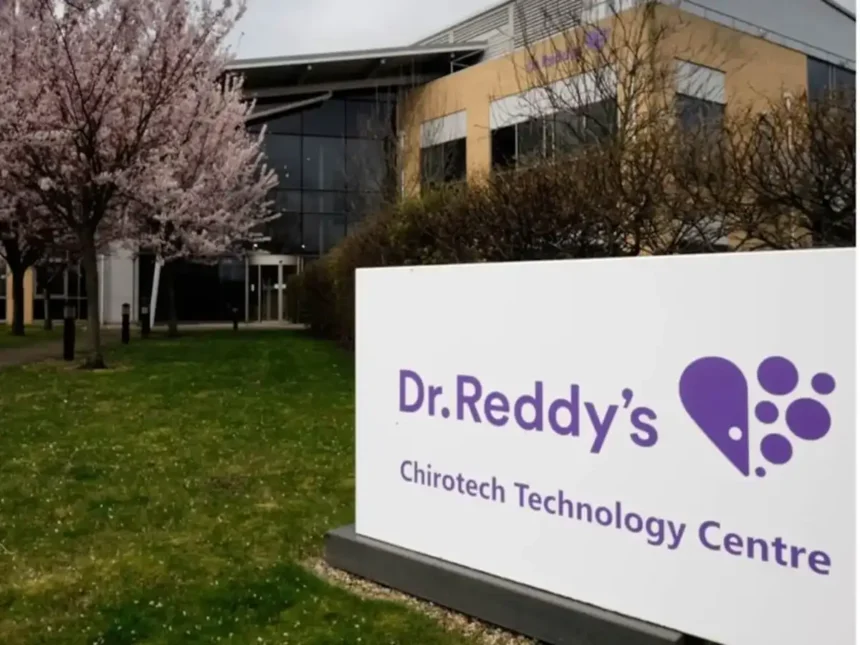
Dr Reddy’s Laboratories has received an inspection report from the US Food and Drug Administration for its Andhra Pradesh manufacturing facility. The development has placed the pharmaceutical company’s stock in focus as investors assess regulatory outcomes and potential impact on exports.
Dr Reddy’s Receives USFDA Inspection Report for Andhra Facility
Dr Reddy’s gets USFDA inspection report for Andhra facility, drawing market attention as regulatory developments play a critical role in pharmaceutical exports. The inspection outcome is closely watched because compliance with US regulatory standards determines whether Indian drug manufacturers can continue supplying medicines to the United States.
The US market remains one of the largest revenue contributors for Indian pharmaceutical companies. Regulatory inspections conducted by the US Food and Drug Administration evaluate manufacturing quality, data integrity, and compliance with global drug safety standards.
When inspection reports are issued, investors analyze them carefully to determine whether the company faces any regulatory observations that could affect production or exports. In the case of Dr Reddy’s, the report relates to one of its key facilities in Andhra Pradesh that produces pharmaceutical products for international markets.
Such developments often lead to immediate reactions in stock prices as markets interpret regulatory signals.
Importance of USFDA Inspections for Pharmaceutical Companies
USFDA inspections are among the most important regulatory evaluations for pharmaceutical manufacturers exporting to the United States. Indian drug companies supply a large portion of generic medicines consumed in the US healthcare system.
Before approving drug manufacturing facilities, the US regulator conducts detailed inspections to ensure compliance with current good manufacturing practices. These inspections assess quality control processes, manufacturing standards, documentation practices, and product safety procedures.
A positive inspection outcome strengthens a company’s credibility and allows uninterrupted supply of medicines to international markets. On the other hand, serious regulatory observations can lead to warning letters, import alerts, or production restrictions.
Because the stakes are high, pharmaceutical companies invest heavily in maintaining strict compliance with international regulatory standards.
Andhra Pradesh Facility and Global Pharmaceutical Supply
The Andhra Pradesh facility inspected by the US regulator forms part of Dr Reddy’s broader manufacturing network in India. Pharmaceutical companies typically operate multiple production plants across the country to support global supply chains.
India has become one of the largest producers of generic medicines worldwide. Many manufacturing facilities in states such as Telangana, Andhra Pradesh, Gujarat, and Maharashtra supply medicines to markets in the United States, Europe, and other regions.
Facilities that receive USFDA approval are particularly valuable because they allow companies to export high volume generic drugs to the US market.
Maintaining regulatory compliance across these plants is therefore essential for sustaining international business operations.
For companies like Dr Reddy’s, strong manufacturing infrastructure and regulatory compliance are key competitive advantages in the global pharmaceutical industry.
Why the Market Watches Regulatory Updates Closely
Investors closely monitor regulatory updates from agencies such as the USFDA because they directly affect pharmaceutical companies’ earnings potential. The United States remains the largest pharmaceutical market globally and contributes a substantial share of revenue for Indian drug exporters.
If a manufacturing facility receives a favorable inspection outcome, it reduces regulatory risk and supports continued drug approvals and exports.
However, if regulators identify significant issues during inspections, companies may face delays in product approvals or restrictions on shipments from the affected facility.
Because of this, stock markets often react quickly when pharmaceutical companies disclose inspection reports or regulatory updates.
For Dr Reddy’s, the inspection report has placed the stock in focus as investors evaluate whether the regulatory review will affect production and export operations.
India’s Role in the Global Generic Drug Market
India plays a central role in supplying affordable generic medicines worldwide. Indian pharmaceutical companies account for a significant share of generic drug approvals in the United States.
This leadership position has been built on strong manufacturing capabilities, skilled scientific talent, and cost efficient production processes.
Companies such as Dr Reddy’s have established global footprints by producing a wide range of generic medicines used to treat conditions including cardiovascular disease, infections, diabetes, and cancer.
However, maintaining this position requires constant compliance with international regulatory standards.
As global regulators continue to monitor manufacturing practices, pharmaceutical companies must maintain strict quality systems to ensure uninterrupted access to global markets.
The latest inspection report highlights how regulatory oversight remains a defining factor in the pharmaceutical industry.
Takeaways
Dr Reddy’s received a USFDA inspection report for its Andhra Pradesh manufacturing facility.
Regulatory inspections determine whether pharmaceutical plants can export medicines to the United States.
The US market remains a major revenue source for Indian generic drug manufacturers.
Investors closely watch regulatory updates because they can influence production and export prospects.
FAQs
Why is the USFDA inspection important for Dr Reddy’s?
The inspection determines whether the company’s manufacturing facility meets regulatory standards required to export medicines to the United States.
What does the USFDA check during inspections?
Inspectors review manufacturing practices, quality control procedures, documentation, and compliance with drug safety regulations.
Why do pharmaceutical stocks react to inspection reports?
Regulatory outcomes can affect production approvals, exports, and future revenue, making them important for investors.
Why are Indian pharmaceutical companies important globally?
India is one of the largest suppliers of generic medicines, providing affordable drugs to healthcare systems around the world.