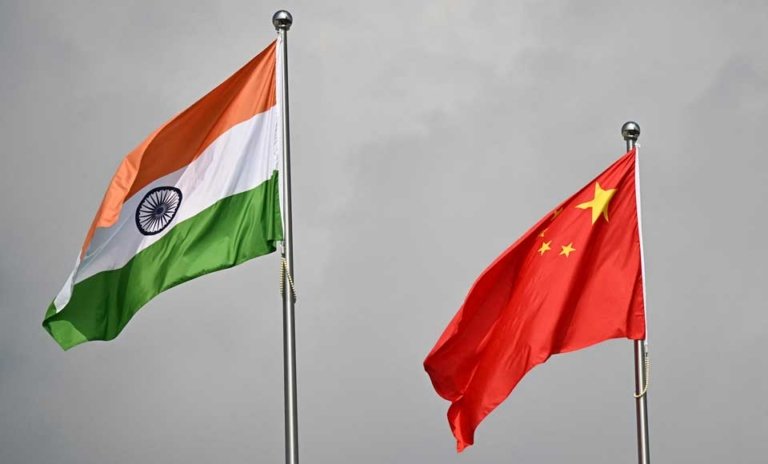
India has begun easing certain investment restrictions for Chinese companies to support domestic manufacturing supply chains. The move reflects a pragmatic shift aimed at strengthening industrial production while balancing national security concerns and economic growth priorities.
India quietly relaxes investment rules for Chinese firms to boost manufacturing supply chains as policymakers attempt to accelerate industrial growth and stabilize critical production networks. The shift comes after several years of tight restrictions on investments from neighboring countries, particularly China, following geopolitical tensions and security concerns. By allowing carefully monitored investments in select sectors, India hopes to strengthen supply chains that are vital for electronics, automotive components, renewable energy equipment, and consumer goods manufacturing.
Policy shift in India foreign investment rules
The India foreign investment rules for Chinese companies were tightened in 2020 when the government mandated additional approvals for investments from countries sharing a land border with India. The policy was introduced to prevent opportunistic takeovers of Indian companies during a period of global economic uncertainty.
Under those guidelines, Chinese firms seeking to invest in Indian businesses were required to obtain direct government approval rather than following the standard automatic investment route. This significantly slowed cross border investments and reduced deal activity involving Chinese capital.
However, policymakers have increasingly recognized that China plays a critical role in global manufacturing supply chains. Many Indian industries rely on Chinese components, machinery, or technical collaboration to maintain production efficiency. As a result, regulators have begun reviewing investment proposals more actively and approving select projects that align with India’s manufacturing expansion goals.
The policy shift does not represent a complete removal of restrictions. Instead, it reflects a more selective approach that allows investments in sectors considered strategically important for domestic industrial growth.
Manufacturing supply chains driving policy recalibration
Strengthening India manufacturing supply chains has become a central economic priority as the country attempts to position itself as a global production hub. The government’s broader industrial strategy focuses on reducing import dependence while attracting foreign investment that supports local manufacturing.
Several industries in India rely heavily on Chinese technology, equipment, and intermediate components. Electronics manufacturing, for example, often depends on Chinese suppliers for circuit boards, batteries, and specialized machinery. Similarly, solar panel manufacturing and electric vehicle supply chains involve complex international networks in which Chinese companies play a major role.
Without access to these inputs or partnerships, scaling domestic manufacturing becomes more difficult. By cautiously easing investment approvals, India can ensure that local manufacturers receive the technology and capital needed to expand production capacity.
This recalibration also supports initiatives aimed at boosting exports. If supply chains remain stable and efficient, Indian manufacturers can compete more effectively in global markets.
Balancing economic needs with national security concerns
The India China investment policy remains politically sensitive due to ongoing border tensions and strategic competition between the two countries. As a result, regulators are attempting to strike a balance between economic necessity and national security priorities.
Investment approvals are expected to remain highly selective. Projects that involve sensitive sectors such as telecommunications infrastructure, data management, or critical digital platforms are likely to continue facing strict scrutiny.
However, investments linked to manufacturing equipment, industrial components, and supply chain development may receive greater consideration. The goal is to allow economic collaboration where it strengthens domestic industry without creating security vulnerabilities.
Government agencies are also increasing oversight mechanisms to ensure transparency in cross border investments. This includes enhanced review processes, detailed disclosures, and monitoring of ownership structures to prevent indirect control by foreign entities in sensitive sectors.
By maintaining strict regulatory oversight while allowing targeted investments, India hopes to preserve strategic autonomy while supporting economic growth.
Global supply chain shifts influencing India strategy
The evolving global supply chain diversification trend is another factor influencing India’s investment policy adjustments. Companies around the world are attempting to reduce dependence on a single manufacturing hub by expanding production across multiple countries.
India has positioned itself as a key alternative manufacturing destination, particularly for electronics, pharmaceuticals, and automotive components. However, building large scale industrial ecosystems requires access to global capital, advanced machinery, and specialized technical expertise.
Chinese firms possess extensive manufacturing experience and integrated supply chain networks. Allowing limited collaboration with such companies can help Indian manufacturers accelerate industrial capabilities while developing domestic supplier networks.
At the same time, India continues to attract investment from other countries including Japan, South Korea, the United States, and European nations. Policymakers aim to create a balanced ecosystem where diverse international partnerships contribute to industrial growth.
If implemented carefully, the selective relaxation of investment rules could strengthen India’s manufacturing competitiveness while maintaining regulatory safeguards.
Takeaways
India has begun selectively relaxing investment approvals for Chinese companies.
The move aims to strengthen manufacturing supply chains and industrial production.
Restrictions introduced in 2020 remain in place but approvals are becoming more targeted.
Policymakers are balancing economic growth with national security considerations.
FAQs
Why did India restrict Chinese investments earlier?
India tightened investment rules in 2020 to prevent opportunistic acquisitions of Indian companies and address national security concerns related to cross border investments.
Why is India easing some of these restrictions now?
Many manufacturing sectors depend on Chinese technology and components, so limited investment approvals can help strengthen supply chains and industrial growth.
Are Chinese investments now completely unrestricted in India?
No. Investments still require government approval and sensitive sectors continue to face strict regulatory scrutiny.
Which sectors may benefit from the relaxed investment approach?
Industries such as electronics manufacturing, renewable energy equipment, automotive components, and industrial machinery are most likely to benefit from targeted investment approvals.