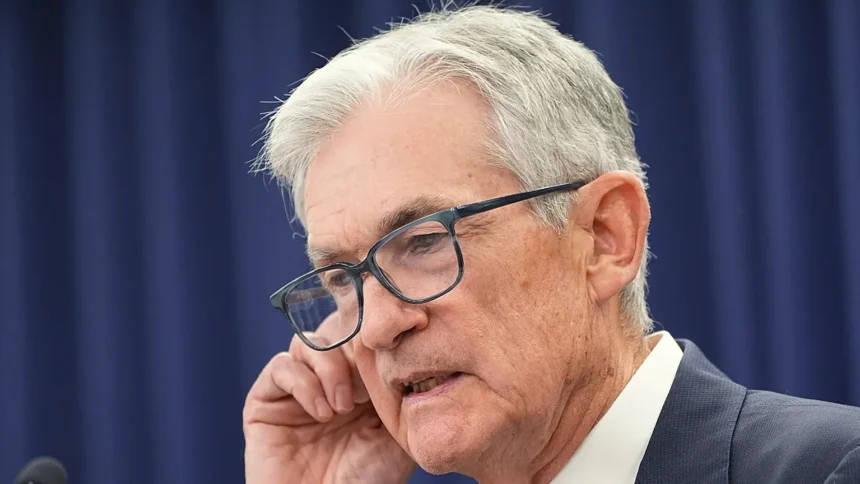
The US Federal Reserve is indicating a delay in rate cuts as inflation remains stubbornly above target levels. The shift reflects caution within the central bank as it balances slowing growth concerns with the need to maintain price stability in the economy.
The latest stance from the Federal Reserve highlights how US Federal Reserve rate cuts are likely to be postponed due to persistent inflation pressures. Policymakers have emphasized that while inflation has moderated from its peak, it is still not consistently aligned with the 2 percent target.
Inflation Trends Keep Fed Policy Tight
Recent economic data shows that inflation in the United States has cooled compared to earlier highs seen in 2022 and 2023, but progress has slowed in recent months. Core inflation, which excludes food and energy, remains elevated and continues to be a key concern for the Federal Reserve.
This stickiness is driven by services inflation, particularly in housing, healthcare, and wages. While goods inflation has eased due to improved supply chains, the services sector has proven more resilient.
As a result, the Fed is maintaining a cautious approach. Policymakers have indicated that premature rate cuts could risk reversing the progress made in controlling inflation. This reinforces the idea that interest rates may remain higher for longer than markets initially expected.
Interest Rate Outlook Shifts Market Expectations
Financial markets had earlier priced in multiple rate cuts within the year. However, the Fed’s latest signals have forced a recalibration of those expectations.
Officials have communicated that any decision to cut rates will depend heavily on incoming data. This data-dependent approach means that even slight fluctuations in inflation or employment figures could influence policy direction.
Bond yields have reacted accordingly, with movements reflecting uncertainty around the timing of future cuts. Equity markets have also shown volatility as investors adjust to the possibility of prolonged higher borrowing costs.
Impact On Global Economy And Emerging Markets
The Fed’s stance has implications beyond the United States. Higher US interest rates tend to strengthen the dollar, which can put pressure on emerging markets by increasing capital outflows and raising borrowing costs.
Countries like India, which are closely linked to global capital flows, may experience indirect effects. A stronger dollar can impact currency stability and influence central bank decisions in other economies.
Additionally, global trade dynamics can shift as financing costs remain elevated. Businesses operating across borders may delay investments or expansion plans due to uncertain financial conditions.
Businesses And Consumers Face Prolonged High Borrowing Costs
For businesses, delayed rate cuts mean continued high borrowing costs. This can affect capital expenditure decisions, especially for sectors that rely heavily on financing such as real estate, infrastructure, and manufacturing.
Consumers are also feeling the impact. Mortgage rates, credit card interest, and loan costs remain elevated, which can dampen spending. Since consumer spending is a major driver of the US economy, this becomes a critical factor for overall growth.
However, the Fed’s strategy is aimed at achieving long-term stability. By ensuring inflation is firmly under control, the central bank is trying to avoid more aggressive tightening measures in the future.
Labor Market Strength Complicates Policy Decisions
One of the key reasons the Fed has room to delay rate cuts is the resilience of the labor market. Employment levels remain strong, and wage growth continues to support consumer spending.
While this is positive for the economy, it also contributes to inflationary pressure. Higher wages can lead to increased demand, which in turn keeps prices elevated.
This creates a policy challenge for the Fed. Cutting rates too soon could overheat the economy, while keeping rates high for too long could slow growth excessively.
What Lies Ahead For Monetary Policy
Looking forward, the Federal Reserve’s policy direction will depend on consistent evidence that inflation is moving sustainably toward the target. This includes multiple months of favorable data rather than isolated improvements.
The central bank is likely to remain cautious in its communication, avoiding any firm commitments on timelines. This keeps markets flexible but also adds to uncertainty.
The broader message is clear. Rate cuts are not off the table, but they are not imminent either. The focus remains firmly on achieving durable price stability.
Takeaways
• The Federal Reserve is delaying rate cuts due to persistent inflation pressures
• Core inflation, especially in services, remains a key concern for policymakers
• Markets are adjusting expectations as higher interest rates may last longer
• Global economies could feel the impact through currency and capital flow shifts
FAQs
Why is the Federal Reserve delaying rate cuts?
The Fed is waiting for stronger evidence that inflation is consistently moving toward its 2 percent target before reducing interest rates.
What does sticky inflation mean?
Sticky inflation refers to price levels that remain elevated and do not decline quickly, especially in sectors like services.
How does this affect global markets?
Higher US rates can strengthen the dollar, impact capital flows, and influence economic conditions in other countries.
Will rate cuts happen later this year?
It depends on economic data. If inflation continues to decline steadily, rate cuts may still occur, but timelines remain uncertain.