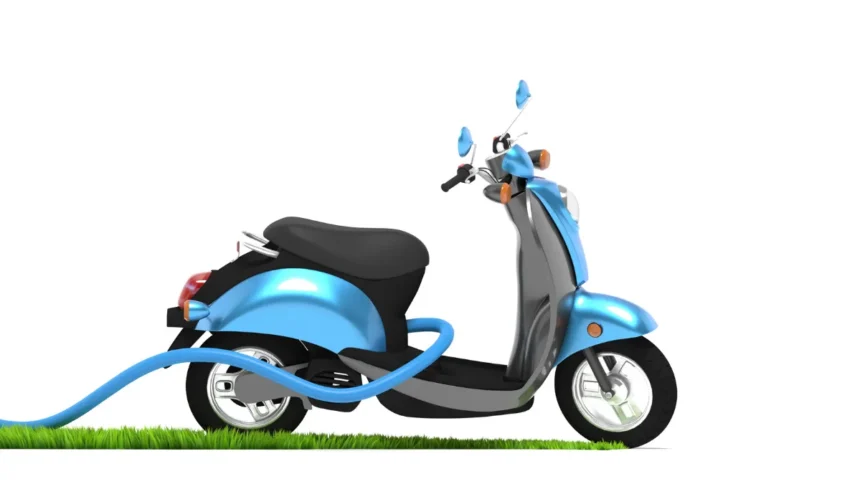
India EV sales surge in April 2026 highlights a strong shift toward electric mobility, with two-wheelers driving the majority of growth. The trend reflects rising affordability, policy support, and increasing consumer acceptance across urban and semi-urban markets.
India EV Sales Surge April 2026 Shows Strong Momentum
India EV sales surge April 2026 marks a significant uptick in adoption, particularly in the electric two-wheeler segment. According to industry estimates and vehicle registration trends, electric vehicles continued to gain market share, with scooters and motorcycles leading the expansion.
This growth is not unexpected. Electric two-wheelers have emerged as the most accessible entry point for consumers transitioning away from internal combustion engines. Lower upfront costs compared to electric cars, combined with reduced running expenses, make them an attractive choice.
Manufacturers such as Ola Electric, TVS Motor Company, and Ather Energy have been expanding production and distribution to meet rising demand.
Electric Two-Wheeler Demand Spike Drives Market Growth
Electric two-wheeler demand spike is the core driver behind the April 2026 surge. Urban commuters are increasingly choosing electric scooters for daily travel due to lower fuel costs and minimal maintenance requirements.
Government incentives have also played a crucial role. Subsidy programs and state-level benefits continue to reduce effective purchase prices, making EVs more competitive with petrol-powered alternatives.
In addition, improved battery technology and expanding charging infrastructure are addressing earlier concerns around range and usability. Consumers are now more confident about adopting electric mobility for everyday use.
Policy Support and Incentives Boost EV Adoption in India
EV adoption in India has been supported by a mix of central and state policies aimed at reducing emissions and promoting clean energy. Incentive schemes have focused on reducing upfront costs while encouraging local manufacturing.
Recent policy adjustments have attempted to balance fiscal sustainability with continued support for the sector. While some subsidy structures have evolved, the overall direction remains supportive of EV growth.
State governments are also offering additional incentives such as road tax exemptions and registration benefits, further improving the value proposition for buyers.
Competitive Landscape Expands Across EV Manufacturers
The competitive landscape in India’s EV market is becoming more dynamic as both startups and traditional automakers expand their electric portfolios. New product launches, improved designs, and better pricing strategies are intensifying competition.
Established players are leveraging their brand strength and distribution networks, while newer companies are focusing on innovation and direct-to-consumer models. This combination is accelerating market development.
Two-wheelers remain the most competitive segment, with frequent updates in features, battery performance, and pricing. This continuous innovation is helping sustain consumer interest.
Infrastructure and Supply Chain Developments Support Growth
Charging infrastructure is gradually expanding, especially in urban centers and along key transport corridors. While still a work in progress, improved availability of charging points is reducing range anxiety among users.
Battery supply chains are also evolving, with increased focus on local manufacturing and sourcing. This shift aims to reduce dependency on imports and improve cost efficiency over time.
Logistics and after-sales service networks are being strengthened to support a growing customer base. These developments are essential for sustaining long-term adoption.
What This Means for India’s Mobility Future
The April 2026 surge indicates that India’s transition to electric mobility is gaining real traction. Two-wheelers are likely to remain the primary driver of EV adoption in the near term, given their affordability and practicality.
As technology improves and costs decline further, the momentum could extend to other vehicle segments, including three-wheelers and passenger cars.
For policymakers, the focus will be on maintaining growth while ensuring financial sustainability of incentive programs. For manufacturers, scaling production and improving efficiency will be key priorities.
Takeaways
- India EV sales surged in April 2026, led by two-wheelers
- Lower costs and policy support are driving adoption
- Competition among manufacturers is intensifying
- Infrastructure improvements are supporting long-term growth
FAQ
Why are electric two-wheelers leading EV growth in India?
They are more affordable than electric cars and offer lower running costs, making them ideal for daily commuting.
Are government subsidies still available for EV buyers?
Yes, though structures may change, both central and state governments continue to support EV adoption.
Is charging infrastructure sufficient in India?
It is improving steadily, especially in cities, but still requires further expansion.
Will EV growth continue in the coming months?
Current trends suggest sustained growth, particularly in the two-wheeler segment.