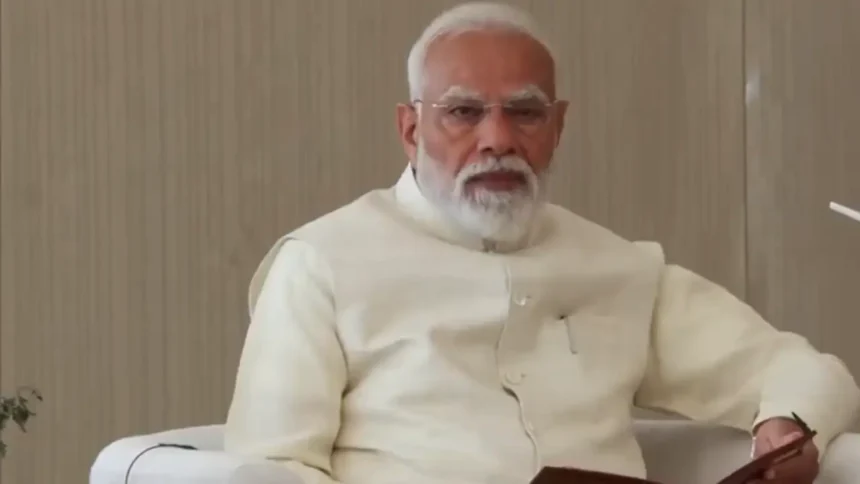
Prime Minister Narendra Modi has dismissed reports suggesting that the government is considering a surcharge on foreign travel by Indian citizens. His clarification has provided relief to travellers, airlines, and the tourism industry, which were concerned about the potential impact of an additional tax burden.
PM Modi Denies Foreign Travel Surcharge Reports
PM Modi dismisses reports of a proposed foreign travel surcharge, calling the speculation unfounded and making it clear that the government is not planning to impose such a levy. The statement came after media reports suggested that policymakers were evaluating a surcharge on overseas travel as a possible way to raise revenue and manage foreign exchange outflows.
The clarification quickly drew attention because international travel by Indians has grown sharply over the past few years. Any additional charge on foreign trips would have affected leisure travellers, students, and business professionals alike.
By rejecting the reports, the Prime Minister sought to remove uncertainty and reassure both consumers and the broader travel ecosystem.
Why the Foreign Travel Surcharge Rumour Gained Attention
The idea of a foreign travel surcharge gained traction because outbound travel from India has surged, and policymakers are often looking for ways to broaden revenue sources.
Indian travellers now represent one of the fastest-growing outbound tourism markets in the world. Rising incomes, better international connectivity, and simplified visa processes have encouraged more Indians to travel abroad.
At the same time, overseas spending by Indian residents contributes to foreign exchange outflows. This led to speculation that authorities could explore additional taxes or charges.
However, there was no official policy proposal, and PM Modi’s statement effectively put an end to the discussion.
Impact on Travellers and the Tourism Industry
The Prime Minister’s denial is positive for multiple sectors linked to international travel.
Airlines, travel agencies, hospitality companies, and online booking platforms would likely have faced softer demand if overseas travel became more expensive.
For consumers, even a modest surcharge could have increased the cost of family vacations, education-related travel, and business trips.
The clarification also reduces uncertainty for Indian travel companies that were preparing for a strong summer and holiday season.
Industry participants welcomed the statement as it supports continued growth in outbound tourism and related spending.
Existing Taxes on Overseas Travel
Although there is no new foreign travel surcharge, overseas travel is already subject to certain tax provisions.
International flight tickets include taxes and airport charges. In addition, the Tax Collected at Source (TCS) framework applies to certain overseas tour packages and specified foreign remittances, subject to prevailing tax rules and thresholds.
These measures are already part of the tax system and serve as mechanisms to track and regulate cross-border spending.
The latest clarification confirms that no additional surcharge is currently being proposed beyond the existing framework.
Government Focus on Growth and Consumer Confidence
The decision to publicly dismiss the reports aligns with the government’s broader emphasis on supporting consumption and maintaining policy stability.
Consumer confidence plays a critical role in sectors such as aviation, tourism, and hospitality. Sudden tax changes can disrupt planning and affect discretionary spending.
By clarifying the government’s position, PM Modi helped restore confidence among travellers and businesses that depend on outbound tourism.
The move also highlights the importance of addressing market rumours quickly to prevent unnecessary uncertainty.
What This Means for Indian Travellers
For Indian travellers, the message is straightforward: there is no announced plan to impose a special surcharge on foreign travel.
People booking international holidays, overseas education trips, or business travel can proceed without factoring in a new tax burden linked to the rumoured proposal.
That said, travellers should continue to monitor existing tax rules, airline pricing, and currency movements, all of which can influence the overall cost of international travel.
For now, the government’s clarification has removed one major concern from the market.
Key Takeaways
- PM Modi has denied reports of a proposed surcharge on foreign travel.
- No official policy has been announced to impose an extra levy on overseas trips.
- The clarification supports airlines, travel companies, and consumer confidence.
- Existing tax rules such as TCS on certain foreign remittances remain unchanged.
FAQs
Was the government planning to tax foreign travel?
PM Modi stated that reports of a proposed foreign travel surcharge were unfounded.
Will international travel become more expensive because of a new surcharge?
As of now, there is no announced surcharge on foreign travel.
What taxes already apply to overseas travel?
International travel may involve airport taxes, ticket charges, and TCS on certain overseas tour packages and remittances.
Why was this clarification important?
It removed uncertainty for travellers and protected sentiment in the aviation and tourism sectors.