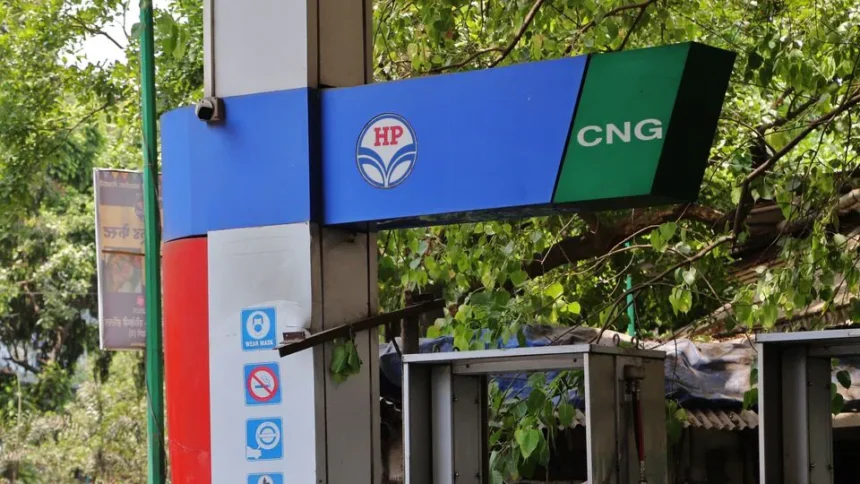
India’s fuel inflation concerns are rising after compressed natural gas prices in the National Capital Region witnessed a fourth increase within two weeks. The repeated hikes are expected to affect transportation costs, urban commuters, logistics operators, and inflation-sensitive sectors across the economy.
India’s fuel inflation pressure has returned to the spotlight as CNG prices in Delhi-NCR continue climbing rapidly. The latest revision marks the fourth increase in compressed natural gas rates within a short period, triggering concerns about broader inflationary effects on transport, food delivery, cab services, and urban supply chains.
The price revisions come at a sensitive time for India’s economy, where policymakers are closely monitoring inflation trends alongside global crude oil volatility and energy supply risks. Although CNG remains cheaper than petrol and diesel in many cities, repeated hikes are beginning to affect operational costs for commercial vehicle operators and public transport systems.
Why NCR CNG Prices Are Increasing Rapidly
The recent CNG price hikes in NCR are linked to multiple global and domestic energy factors. International gas prices, fluctuations in imported LNG costs, currency pressures, and supply management challenges are contributing to the upward revisions.
India imports a significant portion of its natural gas requirements. As global energy markets remain volatile due to geopolitical uncertainty and shifting demand patterns, city gas distributors are facing higher procurement costs. These increases are gradually being passed on to consumers.
Analysts also point out that natural gas pricing mechanisms in India have become more sensitive to international benchmarks over the past few years. While government interventions still influence pricing to some extent, distributors cannot absorb prolonged cost increases indefinitely.
Delhi-NCR remains one of India’s largest CNG consumption hubs because of extensive adoption in auto-rickshaws, taxis, buses, and commercial fleets. Even small price changes in this market can quickly impact urban transportation economics.
Fuel Inflation Risks Could Spread Beyond Transportation
Economists believe repeated CNG price increases could create secondary inflationary effects beyond fuel expenses alone. Transportation costs influence several sectors including food distribution, e-commerce deliveries, logistics, and ride-hailing services.
When fuel costs rise consistently, businesses often pass part of the burden to consumers through higher fares or delivery charges. Over time, this can affect household spending patterns and urban inflation metrics.
Cab aggregators, local transport operators, and goods carriers in NCR are already facing pressure on operating margins. Some fleet owners may eventually revise service pricing if fuel costs remain elevated for an extended period.
The situation is particularly important because urban inflation has become a closely watched economic indicator for policymakers. Rising transport expenses can indirectly affect prices of vegetables, groceries, restaurant services, and online commerce in major cities.
RBI and Government Monitoring Energy Price Trends
India’s inflation management strategy depends heavily on fuel and food stability. The Reserve Bank of India has previously highlighted global commodity volatility as a major risk factor for inflation control.
Although retail inflation in India has moderated compared to earlier peaks, energy costs remain highly sensitive to international developments. Any sustained increase in fuel prices could complicate monetary policy decisions in the coming quarters.
Government agencies are also monitoring the impact on public transportation systems. Several city bus networks and commercial mobility operators rely heavily on CNG because it is considered cleaner and relatively cost-efficient compared to conventional fuels.
Industry experts believe authorities may continue balancing consumer affordability with the financial viability of city gas distribution companies.
Global Energy Markets Continue Affecting Indian Consumers
India’s dependence on imported energy means domestic fuel markets remain exposed to international developments. Brent crude price fluctuations, Middle East geopolitical tensions, shipping disruptions, and global LNG demand all influence local pricing trends.
Natural gas demand has increased globally as countries attempt to shift toward relatively cleaner transition fuels. This has intensified competition for LNG cargoes, particularly in Asia and Europe.
For India, managing affordable urban energy remains a major economic and political priority. CNG adoption has played an important role in reducing vehicular pollution in Delhi-NCR over the past two decades. However, rising prices could reduce some of the cost advantages that initially drove adoption among commercial drivers.
Transport unions and fleet operators are expected to continue engaging with authorities regarding pricing stability if further hikes occur.
Consumers and Businesses Brace for Higher Urban Costs
The latest round of CNG hikes is likely to keep inflation discussions active in financial markets and policy circles. Investors are already watching whether rising fuel costs begin affecting broader consumer spending patterns in metropolitan regions.
Businesses dependent on urban logistics are also recalculating operational expenses. Delivery platforms, retail distributors, and mobility companies may face difficult choices between absorbing higher fuel costs or increasing customer charges.
While current inflation levels remain manageable compared to crisis periods seen globally in recent years, persistent energy price increases could gradually build pressure across multiple sectors.
The coming weeks will be important in determining whether CNG prices stabilize or continue moving upward alongside global energy trends.
Key Takeaways
- NCR witnessed a fourth CNG price hike within two weeks
- Rising fuel costs may increase transportation and logistics expenses
- Global LNG and energy market volatility are influencing domestic pricing
- Policymakers are monitoring inflation risks linked to urban fuel costs
FAQ
Why are CNG prices increasing in Delhi-NCR?
CNG prices are rising due to higher global natural gas costs, imported LNG expenses, and broader international energy market volatility.
How can higher CNG prices affect consumers?
Consumers may face increased cab fares, delivery charges, transport costs, and indirect inflation in urban services and goods.
Is CNG still cheaper than petrol and diesel?
In many cities, CNG remains relatively cheaper than conventional fuels, but repeated hikes are narrowing the cost advantage.
Why is fuel inflation important for India’s economy?
Fuel inflation affects transportation, logistics, consumer prices, and overall inflation management, making it a critical economic indicator.