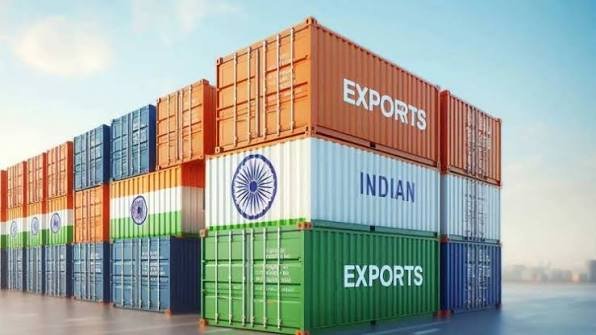
Indian exporters are exploring new markets and expanding product offerings as global trade patterns continue to evolve. Shifting supply chains, new trade agreements and changing tariff policies are creating fresh opportunities for Indian businesses, even as global economic uncertainty remains a key challenge.
Indian exporters are increasingly positioning themselves to benefit from changing global trade dynamics. As companies worldwide diversify supply chains and governments negotiate new trade partnerships, India’s export sector is looking to strengthen its presence across manufacturing, engineering, pharmaceuticals, electronics, textiles and agricultural products.
Global Trade Shifts Create New Export Opportunities
The global trading environment has undergone significant changes over the past few years. Geopolitical tensions, supply chain disruptions, inflation and evolving trade policies have encouraged multinational companies to reduce dependence on a single manufacturing destination.
This shift has opened opportunities for countries with strong production capabilities, and India is among those attracting greater attention. Exporters are receiving increased inquiries from buyers looking to diversify sourcing across Asia while maintaining cost competitiveness and production reliability.
Several sectors have emerged as beneficiaries. Engineering goods, electronics, pharmaceuticals, chemicals, auto components and processed food products continue to record strong international demand. Industry bodies believe India’s expanding manufacturing capacity and improving logistics network are helping exporters compete more effectively in global markets.
Trade Agreements Strengthen India’s Export Strategy
India has been actively pursuing bilateral and regional trade agreements to improve market access for domestic businesses. Recent trade pacts with countries including the United Arab Emirates and Australia have reduced tariffs on several products, making Indian exports more competitive.
Negotiations with the United Kingdom and the European Union also remain important for exporters seeking wider access to developed markets. Industry experts expect these agreements to reduce trade barriers, simplify customs procedures and encourage greater investment in export-oriented industries.
Government initiatives such as the Production Linked Incentive (PLI) schemes, the Foreign Trade Policy 2023 and investments in logistics infrastructure are also supporting exporters by improving manufacturing efficiency and reducing operational costs.
Businesses say policy stability and easier market access will remain essential for sustaining export growth over the coming years.
Manufacturing and MSMEs Play a Central Role
India’s export expansion is being supported not only by large corporations but also by micro, small and medium enterprises. MSMEs account for a substantial share of India’s merchandise exports and continue to diversify into new international markets.
Digital commerce has also enabled smaller exporters to reach overseas customers more efficiently. Online B2B marketplaces, improved payment systems and government export promotion initiatives have lowered entry barriers for many businesses.
Engineering goods remain India’s largest export category by value, while electronics exports have grown significantly due to increasing domestic manufacturing. Pharmaceutical companies continue supplying medicines to more than 200 countries, strengthening India’s reputation as a reliable global supplier.
Industry associations believe sustained investment in technology, quality standards and product innovation will help Indian manufacturers move further up the global value chain.
Challenges Continue Despite Positive Outlook
Although export prospects have improved, businesses continue to navigate several uncertainties. Slower economic growth in some developed economies, currency fluctuations, higher shipping costs and changing regulatory standards remain important concerns.
Protectionist measures adopted by some countries can also affect export competitiveness. Exporters must increasingly comply with environmental regulations, sustainability reporting requirements and stricter product quality standards in international markets.
Trade finance availability, skilled workforce development and infrastructure improvements also remain priorities for industry stakeholders.
Despite these challenges, India’s export sector has demonstrated resilience by expanding into new product categories and strengthening relationships with emerging markets in Asia, Africa, Latin America and the Middle East.
Diversification Becomes the New Growth Strategy
One of the most notable trends shaping India’s export sector is diversification. Rather than depending heavily on a limited number of markets, exporters are actively exploring new destinations and expanding their customer base.
Government agencies and export promotion councils continue to encourage businesses to participate in international trade fairs, buyer-seller meetings and market development programmes.
Analysts believe India’s demographic advantage, improving manufacturing ecosystem and expanding free trade network position the country well to capture a larger share of global trade in the coming years.
As global companies reassess sourcing strategies, Indian exporters appear ready to leverage the changing business environment by focusing on quality, competitiveness and long-term market expansion.
Takeaways
- Indian exporters are benefiting from changing global supply chain strategies and market diversification.
- Trade agreements and government initiatives are improving export competitiveness across multiple sectors.
- Manufacturing, electronics, pharmaceuticals and MSMEs remain major contributors to export growth.
- Global uncertainties continue, but diversification is helping exporters build long-term resilience.
Frequently Asked Questions
Q1. Why are Indian exporters seeing new opportunities?
Global companies are diversifying supply chains, creating greater demand for reliable manufacturing partners such as India while new trade agreements improve market access.
Q2. Which sectors are leading India’s export growth?
Engineering goods, pharmaceuticals, electronics, chemicals, textiles, agricultural products and auto components remain among India’s strongest export sectors.
Q3. How do trade agreements help exporters?
Trade agreements can reduce tariffs, simplify customs procedures, improve market access and increase the competitiveness of Indian products in overseas markets.
Q4. What challenges do Indian exporters still face?
Exporters continue to deal with global economic uncertainty, shipping costs, regulatory compliance, protectionist policies, currency volatility and sustainability requirements.
(Internal keyword suggestions: Indian exporters, global trade dynamics, India’s exports, export opportunities India, free trade agreements, Indian manufacturing exports, global supply chains, MSME exports, export growth India, international trade)