The India-UK Comprehensive Economic and Trade Agreement (CETA) has entered into force, giving fresh momentum to bilateral trade. Exporters, manufacturers and service providers are preparing to tap improved market access, lower tariffs and new business opportunities across multiple sectors.
The India-UK trade deal has entered a decisive phase as the Comprehensive Economic and Trade Agreement (CETA) officially came into force on July 15, 2026. The agreement marks one of India’s most significant bilateral trade pacts in recent years and is expected to boost exports, attract investment and strengthen economic ties with the United Kingdom. Businesses across sectors including textiles, engineering goods, gems and jewellery, food processing, information technology and professional services are preparing to benefit from improved market access and reduced trade barriers.
This is a time-sensitive news development. The article reflects the latest confirmed updates following the implementation of the India-UK CETA.
India-UK CETA Enters Into Force with Immediate Export Benefits
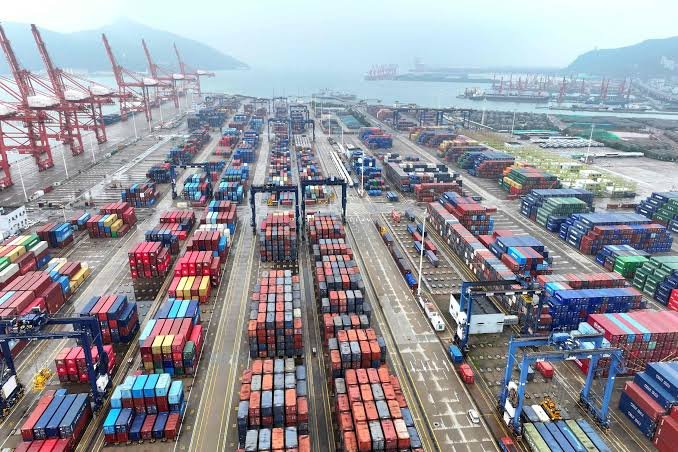
The implementation of the India-UK Comprehensive Economic and Trade Agreement represents a major milestone in bilateral economic relations. According to the Ministry of Commerce and Industry, the agreement provides zero-duty access for nearly 99 percent of India’s exports to the UK, covering almost the entire value of bilateral goods trade. On the first day itself, more than 50 export consignments worth over 140 million US dollars were dispatched from ports, airports, inland container depots and manufacturing units across the country under the new preferential tariff regime.
The agreement also introduces simplified certification through the electronic Certificate of Origin platform, enabling exporters to claim tariff benefits more efficiently. Government officials have described the agreement as a defining moment that will strengthen India’s global trade competitiveness.
Export-Oriented Industries Stand to Gain the Most
Several labour-intensive sectors are expected to receive an immediate boost under the new trade framework. Textile and apparel manufacturers, leather exporters, engineering goods producers, marine product exporters, handicraft businesses and the gems and jewellery industry are among the biggest beneficiaries.
The first jewellery export consignment under the agreement was flagged off shortly after CETA came into effect, highlighting the industry’s readiness to utilise preferential market access. Industry bodies believe reduced tariffs will improve the price competitiveness of Indian products in the UK while helping exporters compete more effectively with suppliers from other countries.
Manufacturers also expect improved demand from UK buyers who had previously faced higher import duties on Indian products.
Services, Technology and Skilled Professionals Receive Fresh Opportunities
While tariff reductions have attracted significant attention, the agreement extends beyond merchandise exports. The India-UK CETA includes provisions designed to strengthen services trade, professional mobility and investment cooperation.
India’s globally competitive IT, consulting, financial services, education and business services sectors are expected to benefit from easier market access. The accompanying Double Contribution Convention also extends social security contribution exemptions for eligible professionals on temporary assignments from three years to five years, reducing costs for companies operating across both countries.
Industry experts believe these measures could encourage greater collaboration between Indian and British businesses in technology, fintech, clean energy, research and innovation.
Businesses Prepare for Higher Trade Volumes
Exporters across India have welcomed the agreement, with trade associations encouraging businesses to familiarise themselves with the new rules of origin and documentation requirements.
Government agencies have also strengthened customs facilitation and digital certification systems to ensure exporters can quickly claim preferential tariff benefits. Companies that already have established relationships with UK buyers are expected to benefit immediately, while many small and medium enterprises are exploring opportunities to enter the British market for the first time.
The agreement is also expected to improve investor confidence by providing greater predictability in bilateral trade and encouraging long-term commercial partnerships.
Trade Deal Strengthens Long-Term Economic Partnership
Beyond immediate export gains, the India-UK trade agreement is designed to deepen economic cooperation across investment, innovation, digital trade, intellectual property protection and regulatory collaboration.
Both governments have described the agreement as a strategic partnership that supports future economic growth rather than simply reducing tariffs. Policymakers expect stronger trade flows to generate employment, expand manufacturing capacity and improve opportunities for startups, MSMEs and exporters.
While businesses remain optimistic, the full economic impact will depend on how effectively companies utilise the agreement and expand their presence in the UK market. Export competitiveness, product quality, compliance with UK standards and efficient logistics will continue to play a critical role in determining long-term success.
With the agreement now operational, India’s exporters have entered a new phase of international trade where improved market access is matched by greater responsibility to meet global quality and compliance standards. If businesses successfully capitalise on these opportunities, the India-UK CETA could become one of the country’s most transformative trade agreements in recent decades.
Takeaways
- India-UK CETA officially entered into force on July 15, 2026, giving preferential access to nearly 99 percent of India’s exports.
- Export-oriented sectors including textiles, jewellery, leather and engineering goods are expected to benefit immediately.
- The agreement also expands opportunities in services, technology, professional mobility and investment.
- Businesses are preparing for increased exports as customs procedures and digital certification become operational.
Frequently Asked Questions
Q1. What is the India-UK Comprehensive Economic and Trade Agreement (CETA)?
It is a bilateral trade agreement that reduces trade barriers, improves market access and strengthens investment and services cooperation between India and the United Kingdom.
Q2. Which sectors are expected to benefit the most?
Textiles, apparel, leather, gems and jewellery, engineering goods, marine products, handicrafts, IT services and professional services are among the biggest beneficiaries.
Q3. How does the agreement help Indian exporters?
It provides preferential tariff treatment, simplified export documentation, better market access and improved competitiveness in the UK market.
Q4. Does the agreement include services as well as goods?
Yes. Along with merchandise trade, the agreement strengthens services exports, professional mobility, investment cooperation and social security arrangements for eligible professionals.