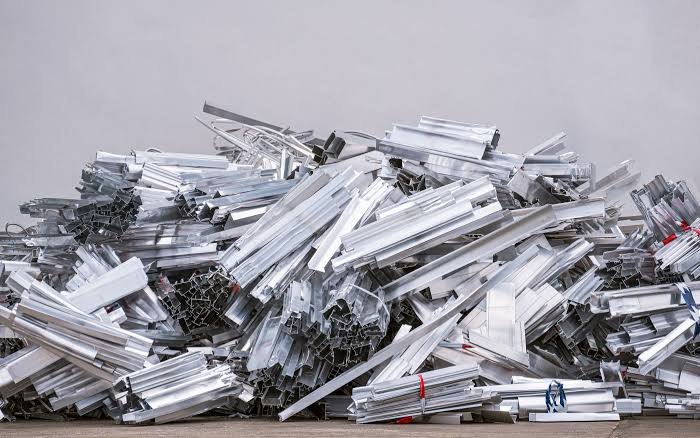
India’s aluminium industry is urging the government to tighten quality norms and retain import duties on low-grade aluminium scrap, warning that unchecked imports could hurt domestic manufacturing, discourage fresh investments, and turn the country into a dumping ground for inferior material.
India’s aluminium scrap imports have become the centre of a growing policy debate as domestic primary aluminium producers seek stricter controls on low-grade scrap entering the country. The issue is time-sensitive and has gained momentum following fresh representations by the Aluminium Association of India (AAI), which has asked the Centre to retain the existing customs duty on scrap imports and immediately notify pending quality standards. Industry leaders argue that without stronger safeguards, India risks becoming a destination for substandard aluminium scrap diverted from global markets.
The demand comes at a time when global trade patterns are shifting because of higher tariffs, export restrictions, and changing environmental regulations in major economies. Indian producers believe these developments could increase the flow of lower-grade scrap into the domestic market unless quality controls are strengthened.
Primary Producers Seek Quality Controls on Aluminium Scrap
The Aluminium Association of India has urged the government to immediately implement the long-pending Bureau of Indian Standards (BIS) norms for aluminium and aluminium alloy scrap. According to the industry body, these standards have already undergone technical approvals but are yet to be formally notified.
The association has also proposed retaining the existing 2.5 percent Basic Customs Duty on aluminium scrap until quality standards are enforced. In addition, it has recommended introducing grade-wise Harmonised System of Nomenclature (HSN) codes so customs authorities can distinguish between premium recyclable scrap and inferior material.
Industry representatives argue that low-grade scrap can affect product quality in sectors such as electrical equipment, consumer appliances, transport, and construction, where aluminium plays a critical role.
Rising Imports Fuel Industry Concerns
According to industry data cited by the Aluminium Association of India, India’s aluminium imports reached a record level in FY26, with scrap accounting for a significant share of total imports.
Primary producers warn that the combination of rising imports and increasing trade barriers in developed markets may encourage exporters to divert lower-quality material to countries with relatively relaxed import standards. They argue that such a trend could undermine planned investments worth more than ₹3 lakh crore in India’s aluminium sector.
The association also points to growing foreign exchange outflows linked to aluminium imports, arguing that stronger domestic recycling and higher-quality imports would better support India’s long-term industrial strategy.
Recyclers Present a Different View
Not everyone in the industry agrees with the proposed restrictions.
The Material Recycling Association of India (MRAI) and several secondary aluminium producers have asked the government to eliminate the 2.5 percent customs duty on imported aluminium scrap. They argue that India’s domestic scrap generation remains insufficient to meet industry demand, forcing recyclers to depend heavily on imported raw material.
According to MRAI, imported scrap supplies nearly 80 to 85 percent of India’s aluminium recycling requirements. Recyclers believe removing the import duty would reduce production costs, improve competitiveness for MSMEs, support circular manufacturing, and encourage greater use of recycled aluminium, which requires significantly less energy than primary metal production.
Global Trade Changes Add Complexity
The debate comes against a backdrop of changing international trade policies.
The United States has increased tariffs on aluminium products, while the European Union is considering tighter controls on metal scrap exports as part of its circular economy strategy. India has already sought relief from the EU over proposed restrictions, warning that reduced access to European scrap could tighten supplies and raise costs for domestic manufacturers.
These global developments have made aluminium scrap an increasingly strategic resource. Many countries are trying to retain high-quality recyclable material for domestic industries instead of exporting it, making quality regulation and supply security more important for importing nations like India.
Government Faces a Delicate Policy Decision
The Centre now faces competing demands from different segments of the aluminium value chain.
Primary producers want stronger protection through quality standards and continued import duties to prevent dumping. Recyclers, on the other hand, favour lower import costs to ensure a stable supply of raw material and maintain the competitiveness of downstream manufacturing.
The government’s decision will have implications beyond the aluminium sector. It will influence manufacturing costs, investment sentiment, recycling capacity, trade competitiveness, and India’s broader objective of expanding domestic manufacturing under the Make in India initiative.
Industry observers believe the eventual policy may seek a middle path by introducing mandatory quality standards while balancing the raw material needs of recyclers and manufacturers. The outcome is expected to shape the future of India’s aluminium industry as global competition for recyclable metals continues to intensify.
Takeaways
- Primary aluminium producers want stricter quality norms for imported aluminium scrap.
- Recyclers are seeking removal of the existing 2.5 percent customs duty on scrap imports.
- Global trade restrictions are increasing concerns about low-grade scrap being diverted to India.
- The government’s policy decision could significantly impact manufacturing, recycling, and future investment in the aluminium sector.
FAQ
Q1. Why is India’s aluminium industry concerned about scrap imports?
Primary producers believe unchecked imports of low-grade aluminium scrap could affect product quality, discourage domestic investment, and make India a dumping ground for inferior material.
Q2. What changes has the Aluminium Association of India proposed?
The association has asked for immediate notification of BIS quality standards, retention of the existing import duty, and introduction of grade-wise HSN codes for aluminium scrap.
Q3. Why do recyclers oppose higher import restrictions?
Recyclers argue that India depends heavily on imported aluminium scrap because domestic availability is limited. They believe removing import duties would lower production costs and support recycling.
Q4. How do global trade developments affect India’s aluminium sector?
Export restrictions and higher tariffs in major economies could reduce the availability of quality scrap and increase the risk of lower-grade material entering India, making import regulation more important.