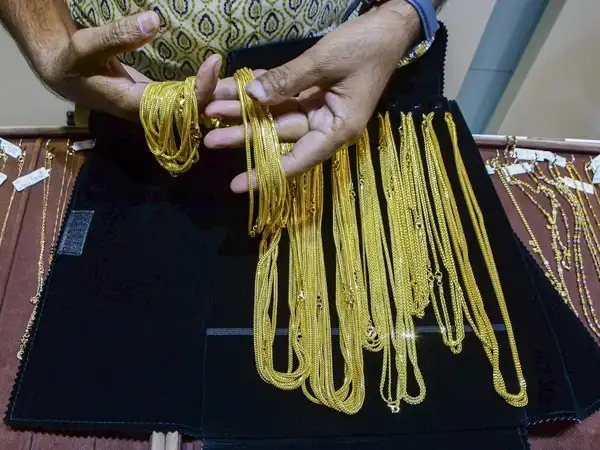
India’s gem and jewellery exports recorded strong growth in June 2026, driven by higher global demand for gold jewellery, improving buyer confidence and stronger shipments to key international markets. The latest export data signals renewed momentum for one of India’s largest foreign exchange earning industries.
The topic is time sensitive (news), so this article is written in a news reporting style.
India’s gem and jewellery exports have staged a strong recovery, with June 2026 figures showing a significant rise in overseas shipments led by gold jewellery. Fresh industry data indicates that exports increased by more than 26 percent year on year during the month, supported by improving global demand, stabilising precious metal prices and renewed buying from major international markets.
The improvement comes after several quarters of uneven global demand caused by inflation, geopolitical uncertainty and cautious consumer spending. Exporters now expect the momentum to continue into the second half of the financial year as festive buying begins across several international markets.
Gold Jewellery Leads India’s Export Recovery
Gold jewellery emerged as the biggest growth driver during June. According to industry data, gold jewellery exports rose by more than 54 percent compared to the same month last year. Studded gold jewellery performed even better, reflecting stronger demand for premium products in overseas markets.
The recovery is notable because the global jewellery industry had been dealing with volatile gold prices and weaker luxury spending in many developed economies. As gold prices began stabilising in recent months, retailers and wholesalers resumed inventory purchases, encouraging Indian manufacturers to increase production.
Industry experts also point to renewed confidence among international buyers who had delayed purchases earlier due to uncertainty in global financial markets. The return of larger export orders has benefited manufacturing hubs such as Surat, Mumbai, Jaipur and Kolkata.
India-UK Trade Deal Strengthens Export Opportunities
Another important boost has come from the implementation of the India-UK Free Trade Agreement for jewellery exports. Earlier this month, Indian exporters shipped the first jewellery consignments to the United Kingdom under the new agreement, benefiting from zero-duty market access.
The agreement is expected to improve India’s competitiveness against other jewellery exporting nations by reducing import costs for British buyers.
Several manufacturing centres participated in the first export shipment under the agreement, highlighting the industry’s readiness to take advantage of improved market access. Exporters believe similar trade agreements with other countries could further expand India’s presence in international jewellery markets.
Government support has also increased recently through higher duty drawback rates on certain jewellery exports, providing additional relief to manufacturers facing rising production costs.
Strong Performance Across Multiple Jewellery Segments
The latest export figures show that growth was not limited to plain gold jewellery. Silver jewellery, platinum jewellery, gold medallions and coins also registered healthy gains during the April to June period. Demand for gold coins has particularly strengthened as international investors continue to view gold as a hedge during uncertain economic conditions.
Cut and polished diamond exports also improved during June, although the broader quarterly performance remained mixed. Industry participants say natural diamond prices have started stabilising after a prolonged correction, helping improve buyer sentiment.
Lab-grown diamonds continue gaining attention globally as consumers increasingly seek affordable alternatives, creating additional opportunities for Indian manufacturers with diversified product portfolios.
Global Demand and Festive Buying Could Support Further Growth
International demand is expected to remain favourable over the coming months as retailers prepare for festive shopping seasons across North America, Europe and parts of Asia. Industry observers note that improving consumer confidence, together with easing inventory levels among overseas retailers, could generate additional export orders.
However, exporters remain cautious about several external risks. Geopolitical tensions, fluctuations in gold prices, currency movements and changes in international trade policies could still influence export performance.
India remains one of the world’s largest jewellery manufacturing and exporting nations due to its skilled workforce, established supply chains and strong design capabilities. Continued policy support, trade agreements and expanding global demand are likely to help the sector maintain its growth trajectory if market conditions remain stable.
For India’s export economy, the latest numbers offer encouraging signs that one of its most important labour-intensive industries is regaining momentum after a challenging period.
Takeaways
- India’s gem and jewellery exports rose more than 26 percent in June 2026.
- Gold jewellery exports were the biggest contributor, recording over 54 percent annual growth.
- The India-UK Free Trade Agreement has opened new opportunities through zero-duty market access.
- Stable gold prices and improving international demand are supporting export recovery.
FAQ
Q1. Why did India’s gem and jewellery exports increase in June 2026?
The increase was driven by stronger global demand for gold jewellery, stabilising gold prices, improving buyer confidence and higher export orders from overseas markets.
Q2. Which product category recorded the strongest export growth?
Gold jewellery recorded the strongest growth, with exports increasing by more than 54 percent year on year in June 2026.
Q3. How does the India-UK trade agreement benefit jewellery exporters?
The agreement provides zero-duty access for eligible Indian jewellery exports to the UK, making Indian products more competitive in the British market.
Q4. What challenges could affect exports in the coming months?
Gold price volatility, geopolitical developments, currency fluctuations and changes in global trade policies remain the key risks for exporters.