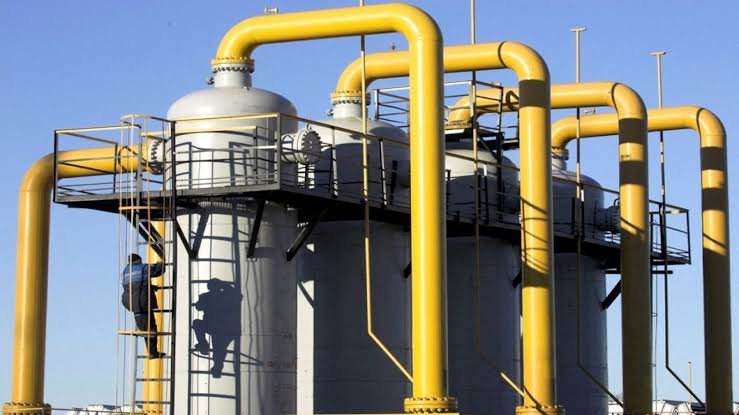
Natural gas pricing reform is emerging as a major policy focus in India as the government seeks to expand gas consumption, improve energy security, and attract investment. Industry experts say pricing reforms, stronger pipeline infrastructure, and a more competitive gas market will be essential to achieving the country’s long-term energy goals.
Natural gas pricing reform has moved into the spotlight as India works to increase the share of natural gas in its energy mix. Recent industry assessments indicate that expanding LNG import capacity alone will not be enough. Instead, reforms in pricing mechanisms, pipeline connectivity, and market design are increasingly being viewed as the next phase of India’s energy transition. This makes the issue both timely and news-driven rather than an evergreen policy discussion.
Industry Calls for Market-Based Gas Pricing
The latest report by the International Gas Union (IGU) argues that India must address long-standing structural issues in its natural gas market if it wants to unlock the full value of LNG imports. According to the report, pricing mechanisms should better reflect market conditions while ensuring adequate incentives for producers, distributors, and investors.
India has invested heavily in LNG terminals over the past decade. However, industry experts believe many of these facilities are operating below potential because pipeline connectivity remains uneven and gas pricing often reduces demand from industrial consumers.
A more transparent pricing framework could encourage greater participation from both domestic producers and international suppliers while improving confidence among private investors.
Pipeline Infrastructure Remains a Major Challenge
Natural gas pricing reform cannot succeed without stronger infrastructure. India continues expanding its national gas grid and city gas distribution networks, but several industrial regions still face limited pipeline access.
The government has already introduced measures aimed at accelerating pipeline approvals and simplifying infrastructure development. These reforms are expected to reduce delays that have historically slowed network expansion across multiple states.
Industry participants argue that better infrastructure will allow imported LNG to reach more consumers efficiently, reducing transportation bottlenecks and improving price competitiveness across regions.
Energy Security Strengthens the Reform Case
Recent geopolitical disruptions highlighted India’s dependence on imported natural gas. During the West Asia crisis earlier this year, the government temporarily invoked emergency powers to prioritize natural gas supplies for essential sectors such as households, transport, and fertilizer production.
Although emergency restrictions were later withdrawn after global LNG shipments stabilized, the episode reinforced the importance of building a more resilient domestic gas market.
Experts believe flexible pricing, diversified import sources, and stronger infrastructure together can reduce future supply risks while improving India’s energy security.
Domestic Pricing Policy Continues to Evolve
India has already taken several steps to reform domestic natural gas pricing in recent years. Under revised pricing guidelines introduced in 2023, domestic gas prices are linked to a percentage of the Indian crude oil basket, subject to specified ceiling prices for legacy fields.
Monthly price revisions have become more transparent, providing greater predictability for consumers while balancing producer incentives. In July 2026, domestic natural gas prices were reduced following movements in crude oil prices, demonstrating how the current pricing formula responds to changing market conditions.
However, many industry stakeholders believe additional reforms are needed to encourage wider industrial consumption, improve trading efficiency, and allow prices to better reflect supply and demand dynamics.
Why Natural Gas Matters in India’s Energy Transition
India aims to increase the share of natural gas in its primary energy mix over the coming years as part of its broader strategy to reduce emissions while supporting economic growth.
Compared with coal, natural gas produces lower carbon emissions when used for electricity generation and industrial applications. It also plays a critical role in fertilizer production, city gas distribution, commercial transport, and manufacturing.
A well-functioning pricing system could make natural gas more attractive for industries currently dependent on other fuels, supporting cleaner growth without compromising energy reliability.
What Comes Next
Natural gas pricing reform is expected to remain high on India’s energy policy agenda over the coming months. Policymakers face the challenge of balancing affordable prices for consumers with sufficient returns for producers and infrastructure developers.
Industry observers believe reforms will likely focus on expanding pipeline connectivity, strengthening gas trading markets, improving pricing transparency, and encouraging long-term investments across the value chain.
As India’s economy continues to grow and energy demand rises, natural gas is expected to play a larger role alongside renewable energy and conventional fuels. The success of future pricing reforms may determine how quickly that transition takes place.
Key Takeaways
- Natural gas pricing reform has become a current policy priority for India’s energy sector.
- Industry experts say pricing reform must be supported by stronger pipeline infrastructure.
- Recent geopolitical disruptions highlighted the need for a more resilient gas market.
- Transparent pricing and wider market reforms could encourage investment and increase gas consumption.
Frequently Asked Questions
Q1. Why is natural gas pricing reform important for India?
It can improve market efficiency, encourage investment, strengthen energy security, and increase the use of cleaner fuels across industries.
Q2. What is currently driving the discussion around gas pricing?
Recent industry reports, infrastructure challenges, and supply disruptions have renewed attention on market reforms and pricing transparency.
Q3. Has India already changed its natural gas pricing system?
Yes. India revised its domestic gas pricing framework in 2023, linking prices to the Indian crude oil basket while maintaining price ceilings for certain fields. Monthly price revisions continue under this system.
Q4. Will pricing reform alone solve India’s gas challenges?
No. Experts say pricing reform must be accompanied by expanded pipeline networks, improved gas distribution infrastructure, and deeper market development.