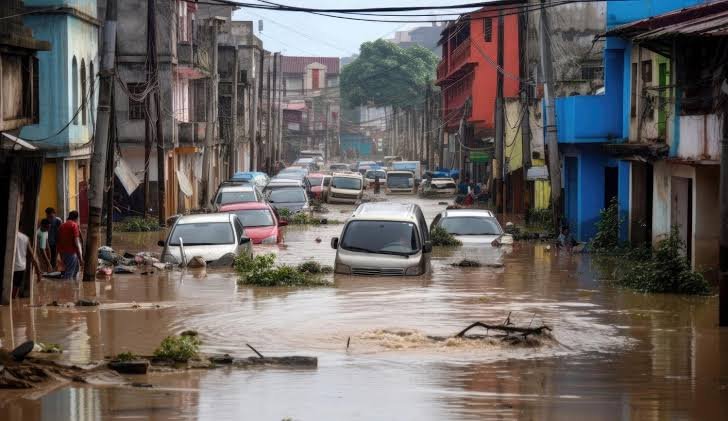
Heavy rainfall across several parts of India has once again disrupted transportation, logistics, and retail operations, creating fresh challenges for businesses during the ongoing monsoon season. Flooded roads, delayed freight movement, and interruptions in wholesale markets have affected the movement of goods, prompting companies to closely monitor inventory levels and delivery schedules.
The topic is time-sensitive news, so this article is written in a news reporting style based on current weather-related disruptions and their impact on India’s economy and business activity.
Monsoon Rains Slow Movement of Goods Across Key Regions
The latest spell of heavy rain has affected several states, including Maharashtra, Gujarat, Himachal Pradesh, Uttarakhand, Kerala, and parts of central and eastern India. While the monsoon is essential for agriculture, periods of intense rainfall have disrupted road transport, rail operations, and local distribution networks.
Flooded highways, waterlogged city roads, and temporary traffic restrictions have delayed truck movements carrying consumer goods, agricultural produce, industrial supplies, and e-commerce shipments. In several urban areas, last-mile delivery services have also experienced delays due to poor road conditions and safety concerns.
Logistics companies have responded by rerouting vehicles, adjusting delivery schedules, and increasing coordination with local authorities. However, disruptions in transportation continue to create uncertainty for businesses dependent on time-sensitive supply chains.
Retail Businesses Face Inventory and Delivery Challenges
Retailers across both organized and unorganized sectors are closely monitoring inventory levels as transportation delays affect product availability. Businesses that rely on daily replenishment, including supermarkets, pharmacies, grocery chains, and fresh food retailers, are particularly vulnerable during extended periods of heavy rainfall.
E-commerce companies have also reported temporary delays in deliveries to flood-affected locations. While digital platforms continue accepting orders, customers in certain cities may experience longer delivery timelines due to weather-related operational constraints.
For businesses preparing for upcoming festive demand, maintaining adequate stock levels has become a priority. Many retailers are increasing warehouse inventories to reduce the impact of transportation disruptions if adverse weather conditions continue.
Agriculture and Food Supply Chains Under Pressure
Heavy rainfall has created mixed conditions for India’s agricultural sector. While adequate rainfall supports crop growth in many regions, excessive precipitation can damage standing crops, delay harvesting, and affect the transportation of fruits, vegetables, grains, and dairy products.
Wholesale agricultural markets have reported fluctuations in arrivals as farmers and transport operators face logistical challenges. Perishable commodities are especially vulnerable because delays in transportation can reduce product quality and increase spoilage.
Supply disruptions may also influence wholesale and retail prices of vegetables and other food items in some markets if transportation bottlenecks persist. However, the extent of price movement depends on regional weather conditions and the duration of logistical disruptions.
Logistics Companies Activate Contingency Plans
India’s logistics sector has increasingly invested in technology and contingency planning to manage seasonal weather disruptions. Fleet operators are using GPS tracking, weather forecasting tools, and route optimization software to minimize delays during the monsoon.
Warehousing companies are also strengthening inventory management by distributing stock across multiple locations instead of relying on a single distribution center. This strategy allows businesses to continue serving customers even when one transportation corridor is temporarily disrupted.
Industry experts note that infrastructure improvements, including expressways, dedicated freight corridors, and better warehouse networks, have enhanced overall supply chain resilience in recent years. However, localized flooding continues to present operational challenges that cannot always be avoided.
Consumer Demand Remains Stable Despite Operational Disruptions
Although heavy rainfall has affected logistics operations, consumer demand across most categories has remained relatively stable. Essential goods, packaged food, medicines, household products, and online shopping continue to witness consistent demand despite delivery delays in some locations.
Businesses are communicating expected delivery timelines more clearly to customers while increasing coordination with delivery partners. Retailers are also encouraging consumers to place orders earlier in areas where weather forecasts indicate the possibility of continued heavy rainfall.
Industry observers believe that most disruptions are likely to remain temporary unless prolonged flooding significantly affects major transportation corridors or industrial production centers.
Businesses Monitor Weather Forecasts and Infrastructure Conditions
Corporate planning teams, logistics operators, retailers, and manufacturers are now closely tracking weather forecasts issued by the India Meteorological Department (IMD) to prepare for additional rainfall over the coming weeks.
Companies with diversified supplier networks and multiple warehouse locations are generally better positioned to manage weather-related disruptions than businesses dependent on a single logistics route. Risk management strategies, including higher safety stock and flexible transportation planning, have become increasingly important during India’s monsoon season.
While heavy rainfall is expected to continue affecting certain regions, businesses remain focused on maintaining operational continuity and minimizing disruption to customers through better planning and improved supply chain coordination.
Key Takeaways
- Heavy rainfall has disrupted transportation, logistics, and retail operations across several Indian states.
- Retailers and logistics companies are managing inventory carefully to reduce supply chain disruptions.
- Agricultural supply chains and perishable goods remain particularly vulnerable to transportation delays.
- Businesses are relying on technology, diversified warehousing, and contingency planning to maintain operations during the monsoon.
FAQs
Q1. How does heavy rainfall affect India’s supply chains?
Heavy rainfall can disrupt road transport, rail services, warehouse operations, and last-mile deliveries, leading to delays in the movement of goods.
Q2. Which sectors are most affected by monsoon-related disruptions?
Retail, logistics, agriculture, e-commerce, food distribution, and manufacturing are among the sectors most affected by transportation disruptions.
Q3. Can heavy rainfall increase food prices?
Yes. If transportation delays continue or crops are damaged, reduced market arrivals may contribute to higher prices for certain perishable food items.
Q4. How are companies responding to supply chain disruptions?
Businesses are using route optimization, increasing warehouse inventory, diversifying supply networks, and monitoring weather forecasts to minimize operational disruptions.
(Internal Keyword Suggestions: heavy rain India, supply chain disruption India, retail logistics India, monsoon business impact, transportation delays India, retail inventory management, India logistics sector, monsoon economy, wholesale markets India, weather impact on business)