India | Business, Fashion & E-Commerce — Special Feature
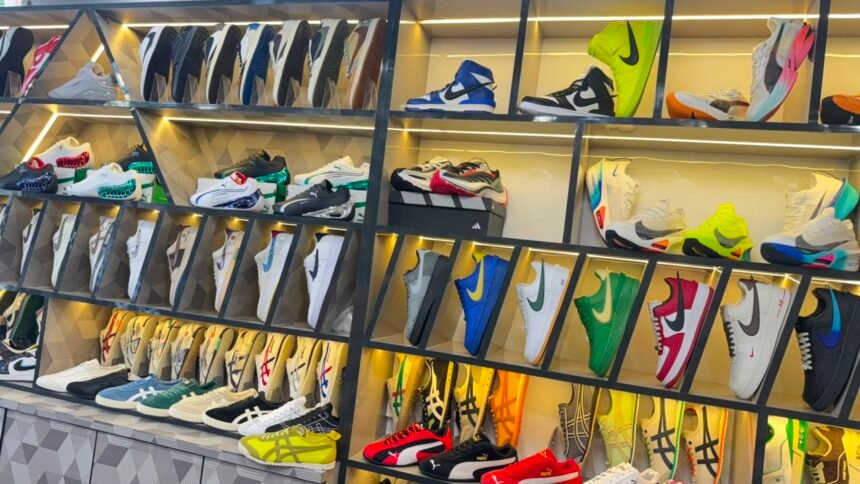
As streetwear and sneaker culture continue to gain ground in India, Swagger Hub has emerged as one of the brands positioned to benefit from that shift. Founded in 2017 by Varun Kumar, the company set out to make premium, globally inspired sneakers and fashion accessories more accessible to Indian shoppers at a time when the category was still relatively nascent domestically and largely underserved by existing retailers.
The company’s approach has combined two elements that Kumar considers equally important: careful product sourcing from multiple international markets, guided by ongoing tracking of global style trends, and a strong focus on the operational side of e-commerce — order processing, delivery, and customer support. Neither element, he has suggested, works well without the other; a strong product lineup can still lose customers if the buying experience around it falls short.
That combination, the company says, has helped it reach more than one million completed orders and a customer base exceeding 200,000 — growth that has occurred as young Indian consumers increasingly look to streetwear, celebrity style, sports culture and social media for fashion cues rather than relying solely on traditional retail or advertising. This shift in where fashion inspiration comes from has been central to how Swagger Hub thinks about its own product strategy.
Kumar describes the brand’s underlying philosophy as one centred on individuality: the idea that sneakers and accessories let people express who they are, not simply what they can afford or where they shop. That framing, he suggests, is part of why the brand has resonated with a customer base that spans different cities, income levels and personal styles rather than a single narrow demographic.
Swagger Hub’s future plans include expanding into new collections and accessory categories while continuing to refine its customer experience, with a long-term goal of building recognition as a trusted global sneaker and lifestyle brand rather than remaining a purely domestic player. Kumar has indicated that international recognition, while a longer-term ambition, remains a guiding reference point for how the company plans its next several years.
According to Kumar, sustaining that trust is the harder part of the job. Attracting first-time customers is only the starting point, he says; keeping them engaged over time requires consistent service and attention to changing expectations — a discipline he credits for much of Swagger Hub’s growth since 2017, even as competition in India’s e-commerce and fashion retail space has grown considerably more intense.
As India’s streetwear boom continues to unfold, industry observers note that brands able to combine authentic product curation with reliable service tend to build the most durable customer relationships. Swagger Hub’s trajectory over its first several years, Kumar suggests, offers one example of what that combination can look like in practice, even as the company continues to describe its growth as an ongoing process rather than a finished story.