India’s LPG import strategy is changing rapidly as the West Asia conflict continues to disrupt traditional supply routes. While US shipments surged sharply earlier this year, the latest September data shows American supplies falling as UAE shipments rebound, highlighting the changing economics of India’s energy sourcing.
India’s LPG Supply Strategy Enters Another Shift
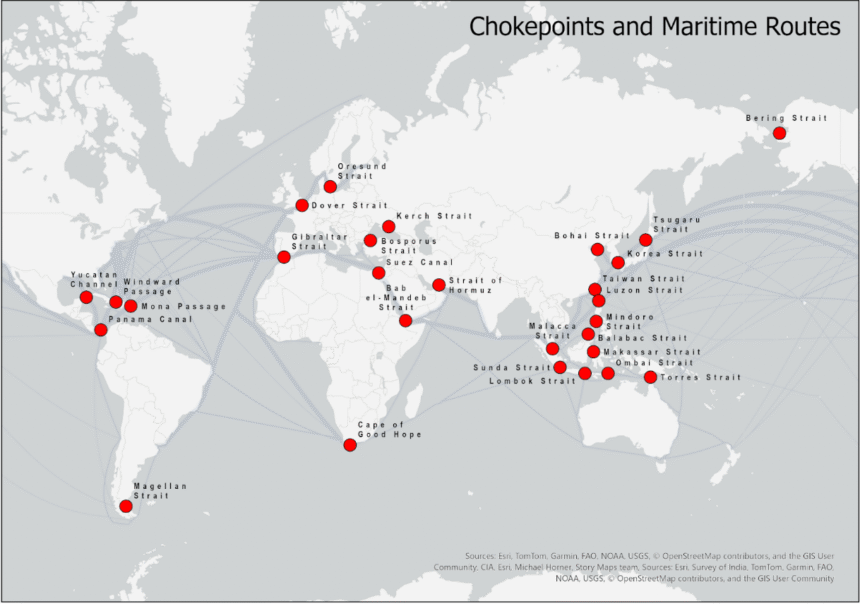
India’s liquefied petroleum gas import map has changed dramatically since the West Asia conflict disrupted supplies through the Strait of Hormuz. The United States became a major alternative supplier as shipments from traditional Gulf producers came under pressure.
However, the latest data shows that the picture is already changing again.
According to shipping data reported on September 23, US LPG supplies to India fell by around 70% in September compared with August. The US accounted for about 16% of India’s LPG imports so far this month, down from more than half in August.
The United Arab Emirates has moved back into the lead. UAE shipments reached about 212,000 barrels per day in September, roughly three times August levels, according to the same shipping data.
The development shows how quickly Indian refiners are adjusting their sourcing as supply routes, freight costs and regional availability change.
US LPG Imports Had Surged During Hormuz Disruptions
Before the conflict disrupted energy flows through the region, India depended heavily on the Middle East for LPG. Around 90% of India’s LPG imports had traditionally come from the region, according to Reuters.
The disruption forced Indian refiners to look much farther afield.
US LPG became an important replacement source because the United States has substantial propane and butane production and export capacity. India’s purchases from the US reached record levels during the crisis.
Reuters reported in June that India’s US LPG imports were expected to cross 1 million tonnes that month, compared with much smaller volumes before the disruption.
The change was also supported by India’s longer-term agreement to source LPG from the United States. Reuters reported in July that India planned to source as much as 25% of its LPG imports from the US in 2027 as part of efforts to reduce dependence on the Middle East.
This means the increase in American supplies was not simply a temporary spot-market reaction. It also became part of a broader diversification strategy.
UAE Shipments Rebound as Supply Routes Adapt
The latest September numbers point to a different development.
UAE shipments have increased substantially as suppliers find ways to move LPG despite the continuing regional disruption. Business Standard reported that ADNOC has used shipments through the Strait of Hormuz as well as ship-to-ship transfer operations in Omani waters.
This has made nearby Gulf cargoes more competitive compared with supplies travelling from the United States.
Distance is an important factor in LPG trade. Cargoes from the US can take considerably longer to reach India than shipments from the Gulf. Longer voyages also involve higher freight, insurance and vessel costs.
For Indian refiners, therefore, the decision is not based only on where LPG is available. The delivered cost and reliability of each cargo also matter.
Business Standard reported that refiners were becoming less interested in long-distance US supplies as Gulf availability improved.
LPG Prices Face Fresh Pressure
The shift in supply sources comes as the cost of imported LPG remains elevated.
Business Standard reported that LPG premiums had risen sharply, with premiums over Saudi Arabian contract prices approaching $450 per tonne. Saudi Arabian contract prices are widely used as a benchmark in international LPG pricing outside the US market.
The increase reflects the wider supply disruption and the higher cost of securing cargoes.
For Indian oil marketing companies, expensive imports create a difficult pricing environment because domestic LPG is an essential household fuel. The government and state-owned oil companies have historically absorbed part of the gap between international costs and domestic selling prices.
Business Standard reported that state-owned oil companies were carrying significant LPG under-recoveries, with the gap having previously reached as much as ₹680 per 14.2 kg cylinder during April and May. By August, the reported under-recovery had eased to around ₹200 per cylinder.
That cost pressure remains important as India approaches the festive season, when household cooking fuel demand can increase.
Domestic LPG Production Is Also Being Increased
Imports are only one part of India’s response.
Indian state-owned refiners have increased domestic LPG production as festive-season demand rises and international supplies remain uncertain. The Economic Times reported on September 24 that domestic LPG production had reached around 44,000 tonnes per day, nearly 20% above the August average.
Higher domestic production can reduce the immediate requirement for imported cargoes and provide additional flexibility to oil marketing companies.
India has also taken steps to manage LPG consumption following the supply disruption. Data reported by Moneycontrol showed that LPG consumption fell 16% year-on-year during April-August, partly reflecting supply constraints and efforts to encourage alternatives such as piped natural gas.
The combination of higher domestic output, demand management and diversified imports has therefore become central to India’s energy strategy.
What the Changing Import Map Means for India
The latest figures do not mean India is abandoning US LPG.
Instead, they show that India’s import basket is becoming more flexible.
The US remains an important source, particularly because India has already established commercial arrangements for American LPG and has used large US cargoes to compensate for disrupted Gulf supplies.
At the same time, the return of UAE supplies demonstrates that Indian refiners will continue to compare suppliers based on availability, freight, price and delivery time.
The changing pattern also highlights the continuing importance of the Strait of Hormuz to India’s energy security. Even when alternative suppliers are available, replacing large volumes of nearby Gulf LPG with cargoes from distant markets can increase transportation costs and put pressure on global shipping capacity.
India’s LPG strategy is therefore moving toward diversification rather than a simple replacement of one supplier with another.
Takeaways
- US LPG shipments to India surged during the West Asia supply disruption but have fallen sharply in September.
- The US accounted for about 16% of India’s LPG imports so far in September, compared with more than half in August.
- UAE shipments have rebounded strongly, making the country India’s largest LPG supplier in September so far.
- India is simultaneously increasing domestic LPG production and maintaining a wider import network to manage supply risks.
FAQ
Why did India increase LPG imports from the US?
India increased purchases from the US after disruptions to traditional Middle Eastern LPG supplies during the West Asia conflict. American cargoes helped compensate for reduced Gulf shipments.
Has the US stopped being India’s biggest LPG supplier?
Not permanently. The latest September shipping data shows the US share falling to about 16% so far this month, while the UAE has moved ahead with higher shipments. The import ranking can change as regional supply and freight economics change.
Why are UAE LPG shipments increasing again?
UAE suppliers have been able to use alternative logistics, including ship-to-ship transfers in Omani waters, helping restore shipments to India despite continuing regional disruptions.
Will India continue buying LPG from the US?
India has longer-term plans to increase US LPG sourcing. Reuters reported that Indian refiners were targeting as much as 25% of LPG imports from the US in 2027, indicating that American supplies are likely to remain part of India’s diversification strategy.