
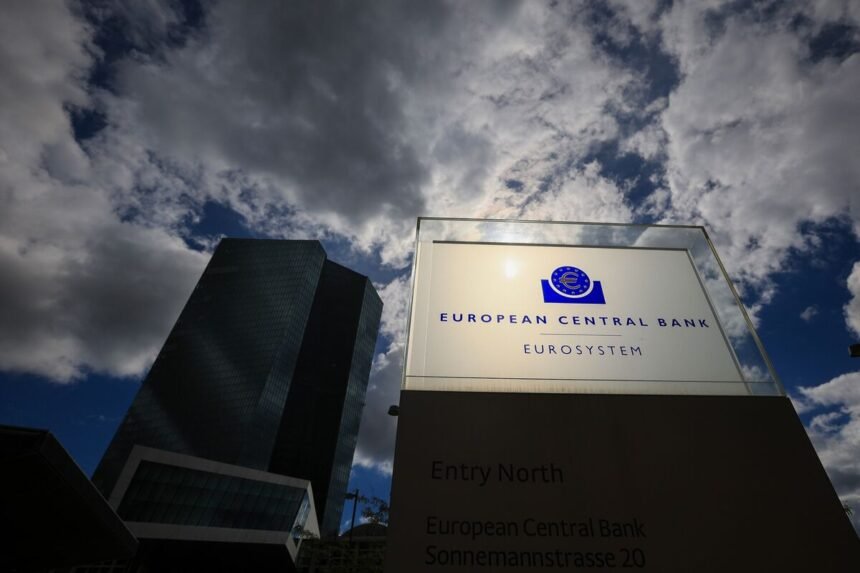
The European Central Bank (ECB) is stepping up scrutiny of European banks’ exposure to private credit funds, hedge funds and other non-bank financial institutions. The planned inspections follow concerns about weaknesses in risk management and growing connections between traditional banks and private financial markets.
ECB Announces New Probe Into Private Credit and Hedge Fund Exposure
The European Central Bank announced on November 19, 2026, that it plans to conduct targeted inspections of banks with significant exposure to private credit funds, private equity firms and hedge funds.
The initiative is part of the ECB’s supervisory priorities for 2027-2029. The central bank wants to understand how European lenders manage financial relationships with non-bank institutions, particularly those operating in less transparent and potentially riskier segments of the financial market.
According to the ECB, previous supervisory exercises identified shortcomings in banks’ management of counterparty credit risk, fund financing and private market activities.
The upcoming inspections will focus on institutions with significant exposure to riskier counterparties rather than applying the same level of scrutiny across the entire banking sector.
The development reflects growing regulatory attention towards the relationship between conventional banking institutions and the expanding private credit industry. Bloomberg Law+2
What the ECB Investigation Will Examine
The ECB’s planned supervisory campaign will cover several areas of financial activity that connect banks with non-bank financial institutions.
These include fund financing, asset-based lending, exposures to private equity and private credit, and financing arrangements involving companies that invest in tangible assets.
Fund financing is particularly important because banks often provide loans and credit facilities to investment funds. These arrangements can involve complex collateral structures and multiple layers of financial exposure.
Asset-based lending is another area receiving attention. Under this model, borrowers secure financing against assets such as receivables, inventory or equipment.
The ECB will also examine how banks assess the creditworthiness of counterparties, monitor collateral and manage risks associated with their financial relationships.
The inspections are intended to identify weaknesses in risk management frameworks and ensure that banks have appropriate controls for activities involving private markets.
This approach is significant because risks can become difficult to identify when several financial institutions are connected through complex lending and investment arrangements. ECB Banking Supervision+1
Why Private Credit Is Drawing Regulatory Attention
Private credit has expanded significantly as companies increasingly seek financing outside traditional banking channels.
Private credit generally refers to loans provided by non-bank lenders, including private debt funds and specialised investment firms. These lenders raise money from institutional investors and deploy it through privately negotiated lending arrangements.
The sector has attracted investors because it offers opportunities to earn returns from corporate lending. Businesses may also prefer private credit because it can provide more flexible financing arrangements than conventional bank loans or public bond markets.
However, the rapid expansion of the industry has raised concerns about transparency, valuations, liquidity and leverage.
Unlike publicly traded bonds, private loans are not always traded frequently in open markets. Their valuations may depend on internal models and assessments rather than continuously available market prices.
This can make it harder for investors and regulators to determine the actual financial condition of borrowers and funds during periods of market stress.
The ECB has therefore become increasingly interested in understanding how risks originating in private credit markets could affect traditional European lenders. ECB Banking Supervision+2
Growing Connections Between Banks and Hedge Funds
Hedge funds are another major focus of the ECB’s supervisory plans.
Banks provide hedge funds with several financial services, including credit facilities, securities financing, derivatives trading and prime brokerage services.
These relationships generate business for banks but can also create counterparty risks.
For example, a hedge fund experiencing sudden losses may struggle to meet its financial obligations to lenders. If multiple institutions have significant exposure to the same fund or similar investment strategies, financial stress could spread across the banking system.
The ECB’s November 2026 Financial Stability Review highlighted the growing importance of these connections.
Its analysis showed that euro area banks’ credit exposures to non-bank financial institutions increased substantially between the fourth quarter of 2021 and the fourth quarter of 2025. Exposures to hedge funds accounted for a particularly significant part of this growth.
The central bank has also warned that leverage and concentrated investment positions within non-bank institutions could amplify market volatility.
This makes it important for banks to understand not only their direct lending exposure but also the wider financial relationships they maintain with hedge funds and other investment vehicles. European Central Bank+2
Earlier Reviews Identified Weaknesses in Bank Risk Management
The ECB’s latest move follows earlier supervisory exercises that highlighted gaps in how some banks manage their relationships with non-bank financial institutions.
According to the central bank’s supervisory assessment, previous reviews identified concentrations of exposure to below-investment-grade counterparties, including hedge funds, private equity firms and family offices.
The exercises also found that many participating banks did not have specific stress-testing frameworks or risk limits designed for non-bank financial institution exposures.
These weaknesses are important because traditional banking risk models may not fully capture the complexity of private market transactions.
For example, a bank may provide financing to an investment fund that subsequently lends money to several businesses. If those businesses face financial difficulties, the fund could experience losses and struggle to meet its obligations to the bank.
Such arrangements create multiple layers of exposure. Regulators want banks to identify these connections before financial stress develops into a wider problem.
The ECB’s new inspections will also follow up on recommendations previously issued to banks regarding their risk management frameworks for fund financing. ECB Banking Supervision+1
Could Private Credit Risks Threaten European Financial Stability?
The growing private credit market has become an important subject in discussions about global financial stability.
However, the ECB has not suggested that private credit currently represents an immediate systemic threat to the euro area banking sector.
In its November 2026 Financial Stability Review, the central bank noted that euro area financial institutions currently have relatively limited direct exposure to private credit. It indicated that private credit alone is unlikely to become a source of systemic financial instability at present.
Nevertheless, the regulator highlighted significant information gaps that make it difficult to assess the sector’s overall risks.
These include inconsistent definitions, limited transparency and difficulties in collecting information across different financial institutions.
The concern is that risks could become more serious if private credit funds face rising defaults, falling asset valuations or increased withdrawal requests from investors.
If funds experience liquidity pressure, they may struggle to meet their obligations. Banks connected to those funds could then face higher credit and counterparty risks.
The ECB wants to strengthen its understanding of these connections before they create broader problems for financial markets. European Central Bank+2
What the New ECB Inspections Mean for European Banks
The planned inspections could increase compliance and risk management requirements for banks with substantial private market exposure.
Financial institutions may need to strengthen their internal systems for evaluating counterparties, monitoring collateral and assessing the impact of sudden market disruptions.
Banks may also face greater pressure to improve reporting on their relationships with private credit funds and hedge funds.
Institutions with concentrated exposure to riskier counterparties could face closer supervisory attention. The ECB’s approach is targeted, meaning that banks with limited involvement in these activities may not face the same level of inspection.
The development could also influence how lenders assess future business opportunities in private markets.
Private credit and fund financing remain important sources of revenue for financial institutions. However, banks will need to balance the commercial benefits of these activities against the potential risks.
The central bank’s objective is not to eliminate bank relationships with private financial institutions. Instead, it wants lenders to maintain appropriate safeguards as these markets expand.
Global Regulators Increase Focus on Non-Bank Financial Institutions
The ECB’s decision comes amid wider international concerns about the growing influence of non-bank financial institutions.
Private credit funds, hedge funds, asset managers and other investment vehicles now play an increasingly important role in global financial markets.
These institutions provide financing, manage investments and participate in trading activities that were traditionally dominated by banks.
Their expansion has created additional sources of capital for businesses. At the same time, it has made the financial system more interconnected.
The European Banking Authority’s June 2026 risk assessment estimated that EU and European Economic Area banks had nearly €150 billion in exposures to private credit funds and related asset managers in June 2025.
The exposure was spread across 79 banks in 13 member states. The report also highlighted limitations in available data, making it difficult to isolate every type of private credit-related activity.
These figures underline why regulators are paying closer attention to the relationship between banks and non-bank lenders.
The challenge for financial authorities is to encourage alternative financing while ensuring that risks do not build up unnoticed outside the traditional banking system. JUNE 2026+2
What Lies Ahead for the European Banking Sector?
The ECB’s 2027-2029 supervisory priorities indicate that private credit and hedge fund exposure will remain important areas of regulatory attention.
The upcoming on-site inspection campaign will focus on banks with significant exposure to riskier counterparties. Regulators will examine how lenders apply existing risk management recommendations and whether their internal controls are adequate.
The findings could influence future supervisory expectations for fund financing, asset-based lending and other private market activities.
For European banks, the message is clear: expanding relationships with private financial institutions must be supported by stronger risk assessment, transparency and monitoring.
The private credit industry continues to offer financing opportunities for businesses and investment opportunities for institutional investors. However, its growing connections with traditional banks mean that regulators cannot afford to overlook the potential risks.
Key Takeaways
- The ECB announced a targeted inspection campaign on November 19, 2026, focusing on banks’ exposure to private credit, private equity and hedge funds.
- Previous supervisory exercises identified weaknesses in counterparty risk management, stress testing and exposure limits.
- The ECB’s November 2026 Financial Stability Review highlighted growing connections between euro area banks and non-bank financial institutions.
- The new inspections form part of the ECB’s supervisory priorities for 2027-2029 and aim to strengthen financial risk management.
Frequently Asked Questions (FAQs)
1. Why is the ECB investigating banks’ private credit exposure?
The ECB wants to understand how banks manage risks associated with private credit funds, hedge funds and other non-bank financial institutions. Previous supervisory exercises identified weaknesses in risk management and counterparty assessments.
2. What is private credit?
Private credit refers to loans provided by non-bank financial institutions, such as private debt funds and specialised investment firms. These loans are generally negotiated privately rather than traded on public bond markets.
3. How are European banks connected to hedge funds?
Banks provide hedge funds with financing, credit facilities, derivatives services, securities lending and prime brokerage services. These relationships can create counterparty risks if hedge funds experience financial difficulties.
4. Will the ECB inspections affect all European banks?
No. The planned inspections will primarily focus on institutions with significant exposure to riskier counterparties. Banks with limited involvement in private credit and related activities may not face the same level of scrutiny.