
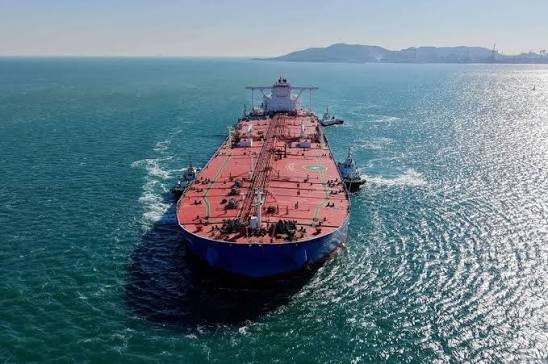
Oil prices extended their gains on November 26 as fresh attacks on vessels and Saudi energy infrastructure raised concerns about crude shipments through the Strait of Hormuz. Brent traded near $95 a barrel, while expectations of ample global supply limited further gains.
Oil Prices Climb as Middle East Supply Concerns Intensify
Oil prices rose for a third consecutive session on November 26, as escalating security risks around the Strait of Hormuz renewed concerns about global energy supplies.
Brent crude futures were trading at $94.71 per barrel, up 0.1%, while US West Texas Intermediate (WTI) crude gained 0.4% to $83.99 per barrel in early trading, according to Reuters. WTI futures did not have a settlement scheduled for Thursday because of the Thanksgiving holiday in the United States.
The latest gains followed a stronger session on Wednesday, when Brent crude rose 3.5% and WTI advanced 2%.
Investors have been assessing reports of attacks on shipping in the Gulf, alongside claims of a strike on Saudi Arabia’s Ras Tanura oil facility. These developments have increased the risk premium in crude prices as traders consider the possibility of further disruption to regional exports.
Oil markets remain sensitive to developments in the Middle East because a significant share of internationally traded crude passes through the region.
Strait of Hormuz Shipping Disruptions Raise Export Fears
The Strait of Hormuz is one of the world’s most important maritime routes for energy transportation. It connects the Persian Gulf with the Gulf of Oman and the Arabian Sea, providing a shipping passage for crude oil and petroleum products exported by several Gulf producers.
According to the International Energy Agency, an average of around 20 million barrels per day of crude oil and oil products passed through the strait in 2025. This represented approximately 25% of global seaborne oil trade.
The narrow waterway is particularly important for exports from countries such as Iraq, Kuwait, Qatar, Bahrain and Iran. Saudi Arabia and the United Arab Emirates have some alternative export infrastructure, but bypass options across the region remain limited.
Recent attacks have raised concerns about the safety of vessels using the route.
Shipping data from Kpler showed that only five commodity vessels crossed the strait on Saturday, November 21, while no crossings were recorded on Sunday, November 22. This compared with 31 crossings during the previous weekend.
A sustained slowdown could affect the movement of crude oil, liquefied natural gas and other commodities, increasing uncertainty for buyers and shipping companies.
Tanker Attacks and Iranian Mine Claims Add to Market Uncertainty
The latest developments include reports of attacks on commercial vessels navigating the Strait of Hormuz.
The United Kingdom Maritime Trade Operations (UKMTO) reported that three vessels were struck by unknown projectiles while travelling eastbound through the strait. The vessels continued their journeys, and all crew members were accounted for. The authority said damage assessments and environmental impacts remained unknown.
Separately, Iranian media reported that at least two tankers had struck naval mines in the waterway. These mine-strike claims have not been independently confirmed by maritime authorities.
The distinction matters because confirmed attacks and unverified reports can have different implications for shipping risk assessments.
Even without a formal closure of the waterway, repeated security incidents can encourage shipowners, operators and insurers to reconsider routes, transit schedules and insurance arrangements.
For oil traders, the uncertainty can influence prices before any measurable reduction in crude exports takes place.
Houthi Claims of Ras Tanura Attack Raise Saudi Supply Concerns
Another factor supporting oil prices has been the reported attack on Saudi Arabia’s Ras Tanura energy complex.
Yemen’s Iran-aligned Houthi group said it had attacked the facility, which includes Saudi Arabia’s largest oil refinery and serves as a major crude export terminal.
Saudi authorities said they intercepted four drones targeting the refinery, according to reports. The available reporting did not establish that the attack caused a confirmed interruption to crude exports.
Ras Tanura is strategically important because it handles substantial volumes of Saudi energy products. Any damage to its infrastructure or disruption to operations could create additional uncertainty for global oil markets.
The latest developments have therefore increased attention on Saudi export infrastructure at a time when traders are already monitoring shipping conditions in the Strait of Hormuz.
However, the market impact will depend on whether attacks lead to actual production losses, export delays or longer-term restrictions on vessel movements.
Global Oil Supply Expectations Could Limit Further Price Gains
Despite the recent increase, oil prices are facing factors that could restrict a sharper rally.
Market expectations of a global supply surplus have remained an important counterweight to geopolitical concerns. If production outside the affected region remains strong, additional supplies could help offset some disruption to Gulf exports.
US crude inventories also increased during the week ended November 20.
The US Energy Information Administration reported that commercial crude inventories rose by 1.1 million barrels to 418.9 million barrels. The increase was smaller than the 1.5 million-barrel build expected by analysts.
Although a rise in inventories generally indicates additional domestic supply, the smaller-than-expected increase provided some support to prices.
Traders are also monitoring the pace at which Middle Eastern exports recover. Oil flows from the region had been improving towards pre-conflict levels, but renewed attacks could slow that recovery.
This creates two competing forces in the market: geopolitical risks are supporting prices, while expectations of higher global supply are limiting the upside.
OPEC+ Meeting on November 29 Adds Another Market Focus
The next major event for oil markets will be the upcoming OPEC+ ministerial discussions scheduled for November 29.
The alliance is expected to consider its production policy for 2027. Its decisions could influence the balance between global supply and demand in the coming months.
The discussions come amid disagreements over production capacity estimates and the United Arab Emirates’ departure from the group.
Oil-producing countries must balance the need to maintain market share with the potential impact of higher output on prices.
If OPEC+ members decide to increase production, additional barrels could help offset supply disruptions. However, the extent of any increase and the timing of implementation will determine its actual market impact.
For traders, the meeting is particularly relevant because geopolitical developments are already creating uncertainty around the availability of Middle Eastern crude.
The outcome could influence market expectations as investors assess whether supply growth will be sufficient to counter shipping and infrastructure risks.
What Rising Crude Oil Prices Could Mean for India
India is one of the world’s major crude oil importers and remains exposed to changes in international energy prices.
Higher crude prices can increase the cost of imports, potentially widening the country’s oil import bill and putting pressure on its trade balance.
The impact can extend to domestic fuel markets, transportation costs, aviation, manufacturing and other industries that depend on petroleum products.
However, international crude prices do not translate directly into an immediate or identical change in petrol and diesel prices across India. Domestic retail prices also depend on currency movements, refining margins, taxes, marketing costs and pricing decisions by oil marketing companies.
A prolonged disruption in the Strait of Hormuz could create additional challenges for Indian refiners because the route is important for energy shipments from Gulf producers.
India’s response would depend on the availability of alternative supplies, existing inventories, shipping arrangements and the duration of any disruption.
For businesses, sustained increases in crude prices could raise logistics and production expenses. Industries such as chemicals, paints, plastics, aviation and transportation may face higher input costs if elevated prices continue.
Oil Market Outlook Depends on Shipping Security and Supply Recovery
The direction of oil prices will depend on whether the latest security incidents lead to sustained disruptions in energy shipments.
If vessels resume regular movement through the Strait of Hormuz and regional exports continue recovering, the geopolitical premium in crude prices could ease.
However, repeated attacks, restrictions on commercial shipping or damage to major energy infrastructure could tighten supply expectations and support further price increases.
The market will also respond to the November 29 OPEC+ meeting, US inventory data and broader expectations for global production and demand.
For now, traders are balancing immediate security risks against the possibility of additional supply entering the market.
The latest price movement reflects that uncertainty. A continued rise in crude prices is not guaranteed, but the Strait of Hormuz remains a critical route to watch for developments affecting global energy trade.
Key Takeaways
- Brent crude traded at $94.71 per barrel on November 26, while WTI reached $83.99 in early trading.
- Shipping activity through the Strait of Hormuz slowed sharply following attacks on commercial vessels.
- The IEA estimates that around 20 million barrels per day of crude oil and petroleum products passed through the strait in 2025.
- India’s oil import costs and energy-dependent industries could face pressure if higher crude prices persist.
Frequently Asked Questions
1. Why are oil prices rising on November 26, 2026?
Oil prices are rising because attacks on commercial vessels and reported threats to Saudi energy infrastructure have increased concerns about crude oil supply disruptions in the Middle East.
2. Why is the Strait of Hormuz important for global oil markets?
The Strait of Hormuz connects the Persian Gulf with the Gulf of Oman and the Arabian Sea. Around 20 million barrels per day of crude oil and petroleum products passed through it in 2025, according to the International Energy Agency.
3. How could Strait of Hormuz tensions affect India?
India imports substantial quantities of crude oil. Disruptions to Gulf shipments or higher international prices could increase import costs and put pressure on sectors such as transportation, aviation and manufacturing.
4. What events should oil traders monitor next?
Traders are watching shipping activity through the Strait of Hormuz, developments around Saudi energy infrastructure, US crude inventory figures and the OPEC+ meeting scheduled for November 29, 2026.
(Internal Keywords: oil prices today November 26 2026, Strait of Hormuz tensions, Brent crude oil price, WTI crude oil price, global oil supply disruption, Middle East energy crisis, Saudi Ras Tanura refinery, tanker attacks Strait of Hormuz, India crude oil imports, OPEC+ meeting November 2026, global energy shipments, crude oil market outlook)