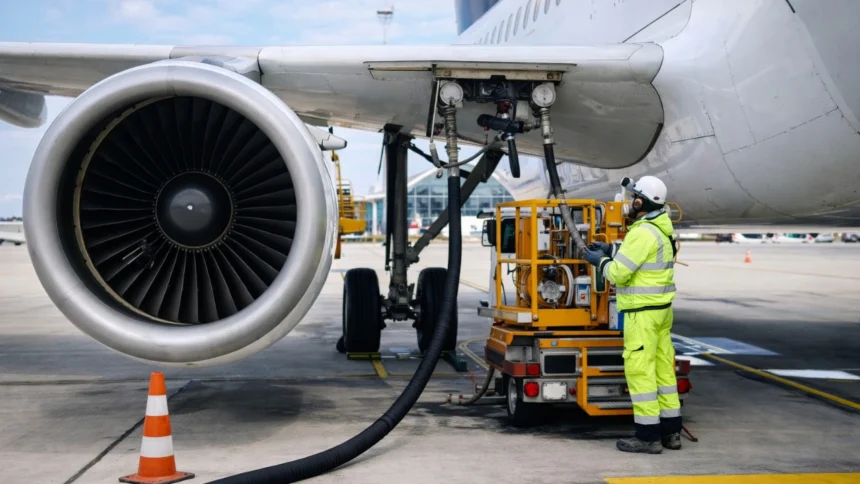
Airfares spike across India as airlines increase fuel surcharges in response to rising aviation turbine fuel costs. The fare hikes are beginning to impact travel demand, especially on price-sensitive domestic routes, raising concerns for both passengers and the aviation sector.
Airfares Spike Across India Amid Rising Fuel Surcharge
Airfares spike across India following a sharp rise in aviation turbine fuel prices, which has forced airlines to adjust pricing through higher fuel surcharges. Fuel is one of the largest cost components for airlines, often accounting for a significant share of operating expenses.
As global crude oil prices remain elevated, ATF prices in India have also moved higher. Unlike some other sectors, airlines have limited ability to absorb such cost increases, making fare adjustments almost inevitable.
The immediate impact is visible in ticket pricing across major domestic routes. Travelers booking closer to departure dates are seeing sharper increases, while budget carriers are also revising their fare structures to reflect higher input costs.
Aviation Fuel Price Impact on Airline Economics
The aviation fuel price impact is central to understanding the current fare surge. ATF prices in India are influenced by global crude trends, currency movements, and domestic taxation policies.
When fuel costs rise, airlines face pressure on already thin margins. The aviation industry operates on tight cost structures, and even small increases in fuel prices can significantly affect profitability.
To manage this, airlines introduce or increase fuel surcharges rather than raising base fares alone. This allows more flexibility in adjusting prices as fuel costs fluctuate.
However, sustained high fuel prices can lead to broader financial stress for airlines, especially smaller carriers with limited financial buffers.
Travel Demand Impact and Passenger Behavior Shift
The rise in airfares is beginning to influence travel demand across India. Price-sensitive segments, particularly leisure travelers and budget flyers, are more likely to reconsider or delay travel plans when fares increase sharply.
Advance bookings may slow down as passengers wait for price stabilization or look for alternative modes of transport such as trains. This can affect load factors for airlines, especially on non-essential routes.
Business travel, while more resilient, is not entirely immune. Companies may review travel budgets and reduce discretionary trips if costs continue to rise.
Seasonal factors also play a role. During peak travel periods, demand may remain strong despite higher fares, but off-peak demand could weaken.
Competitive Dynamics Among Indian Airlines
The airfare spike is also shaping competitive dynamics within the Indian aviation market. Airlines must balance fare increases with the risk of losing passengers to competitors.
Low-cost carriers, which rely heavily on price competitiveness, face a particular challenge. While they can adjust surcharges, they must remain attractive to budget-conscious travelers.
Full-service airlines may have slightly more flexibility due to diversified revenue streams, including premium services and international operations.
Promotional offers, dynamic pricing strategies, and route optimization are being used to manage demand and maintain market share.
The overall pricing environment is likely to remain volatile as airlines respond to both fuel costs and competitive pressures.
Policy Factors and Future Outlook for Airfares
Policy factors such as taxation on aviation fuel and airport charges also influence airfare trends. In India, ATF is subject to state-level taxes, which can vary significantly and impact overall costs.
There have been periodic discussions about bringing ATF under the Goods and Services Tax framework to reduce cost variability. Such a move could provide some relief to airlines, though it has not yet been implemented.
Looking ahead, the trajectory of airfares will depend largely on global crude oil prices and currency movements. If fuel prices remain high, airlines may continue to pass on costs to passengers.
At the same time, any stabilization in oil markets could ease pressure and lead to more competitive pricing.
Key Takeaways
- Airfares across India have risen due to increased fuel surcharges linked to higher ATF prices
- Airlines are passing on fuel cost increases to maintain financial stability
- Travel demand is showing signs of sensitivity, especially among budget travelers
- Future airfare trends will depend on oil prices, policy decisions, and market competition
FAQs
Q1. Why are airfares increasing in India?
Airfares are rising mainly due to higher aviation turbine fuel prices, which have led airlines to increase fuel surcharges.
Q2. What is a fuel surcharge?
It is an additional charge added to ticket prices to compensate for fluctuations in fuel costs.
Q3. Will airfares continue to rise?
It depends on global oil prices. If fuel costs remain high, fares are likely to stay elevated.
Q4. Are all routes affected equally?
No, fare increases vary depending on demand, competition, and route-specific factors.