China and the United States have agreed to pursue reciprocal tariff reductions covering about $60 billion in goods, with each country identifying roughly $30 billion of non-sensitive imports. The move comes alongside an extension of their broader trade truce through January 10, 2027.
US-China Trade Deal Targets $60 Billion in Goods
The latest US-China trade agreement focuses on a combined $60 billion worth of goods, with both countries preparing to provide more favourable tariff treatment to selected imports.
Under the arrangement announced after the latest talks, the United States and China each identified approximately $30 billion of non-sensitive products for tariff reductions. The lists cover a wide range of consumer and industrial goods rather than the most strategically sensitive products.
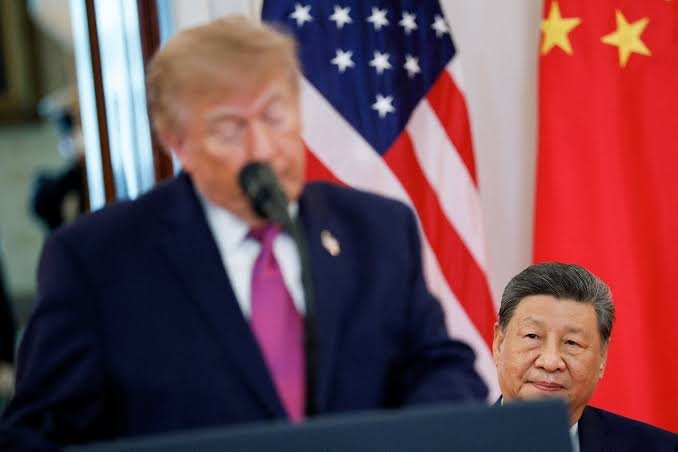
The development follows a meeting between US President Donald Trump and Chinese President Xi Jinping in Washington and represents another step in efforts to stabilise bilateral trade after years of tariff disputes.
The agreement does not amount to a broad removal of tariffs between the world’s two largest economies. Instead, it targets specific product categories while leaving several major areas of disagreement unresolved.
US Exports to China Get Access to More Product Categories
China’s tariff reduction list includes a range of American products, particularly agricultural and consumer-related goods.
Products identified for more favourable treatment include corn, wheat, meat, dairy products and seafood. The list also covers wood products, cosmetics and medical devices.
US Trade Representative Jamieson Greer said the US list represents improved market access covering about 30% of US exports to China.
However, one major agricultural product is missing. US soybeans were not included in the tariff-cut list, despite being one of America’s most important agricultural exports to China.
That omission has attracted particular attention because soybean trade has been a major part of the agricultural relationship between Washington and Beijing. Separate reporting on September 30 said weak Chinese demand and existing supply arrangements from Brazil and Argentina were also limiting the immediate prospects for increased US soybean purchases.
Chinese Toys and Household Goods Included in US Cuts
The United States will also reduce tariffs on selected Chinese imports.
The American list includes consumer products such as toys, small household appliances, tableware, children’s products and holiday decorations. Other categories include personal and household goods.
More than 90% of the products on the relevant lists are expected to receive treatment under most-favoured-nation tariff rates, according to reporting on the agreement.
The selection is significant for manufacturers and importers because many of these products are part of international consumer supply chains. Lower tariffs can reduce the cost of importing goods, although the actual effect depends on the final tariff rates, implementation schedules and companies’ existing contracts.
The agreement also comes relatively late in the year for some seasonal products. Chinese manufacturers supplying the US holiday market have already shipped much of their 2026 inventory, meaning the immediate impact on Christmas-related goods may be limited.
Strategic Goods Remain Outside the Tariff Agreement
The tariff reductions do not cover several of the most sensitive areas of US-China trade.
Advanced semiconductors, electric vehicles and other strategic products remain outside the main tariff-cut arrangement. Rare earth supply chains also remain a major issue in the broader trade relationship.
This distinction is important because the latest agreement reduces tariffs on selected non-sensitive products while leaving the industries most closely connected to national security, advanced technology and strategic supply chains subject to separate negotiations.
The two countries have also agreed to continue discussions on other economic issues. These include investment opportunities, market access and agricultural trade.
A new dialogue channel covering artificial intelligence is also planned, while both sides are discussing greater direct air connectivity.
Trade Truce Extended Through January 10
Alongside the tariff agreement, Washington and Beijing have extended their existing trade truce through January 10, 2027.
The extension gives negotiators additional time to work on unresolved trade and economic issues without immediately returning to a broader escalation of tariffs.
The truce had been scheduled to expire earlier, making the extension an important part of the latest agreement for businesses planning cross-border trade.
The two countries are also expected to maintain regular discussions. Further meetings later in 2026 could provide opportunities to expand the list of goods receiving lower tariffs or address issues that were not included in the latest arrangement.
For companies operating across US-China supply chains, the extension provides additional visibility, although it does not remove the possibility of future policy changes.
Businesses Still Face Uncertainty Despite Tariff Relief
The agreement provides tariff relief for selected products, but businesses are still dealing with a complicated US-China trade environment.
American companies importing from China continue to face tariffs on products outside the newly identified categories. At the same time, Chinese exporters must account for changing US trade policy and possible future measures.
The United States is also conducting a Section 301 investigation involving China and other trading partners over issues including industrial capacity. Depending on the outcome, additional trade measures could remain a possibility.
China’s large trade surplus is another issue being watched closely. Reporting based on official data indicated that China’s trade surplus had already reached about $800 billion by August and was on track to remain elevated.
This means the latest tariff agreement should be viewed as a targeted trade arrangement rather than a complete reset of economic relations.
Agricultural Trade Remains a Key Negotiation Area
Agriculture is one of the areas where the latest agreement could have a direct impact on businesses.
China has agreed to provide more favourable treatment to several American agricultural products, while both governments are expected to continue discussions through an agricultural working group.
However, the exclusion of soybeans highlights the limits of the current agreement.
China has increasingly relied on South American suppliers, particularly Brazil and Argentina, for soybean imports. Reuters reported on September 30 that Chinese processors had already secured significant supplies through early 2027, reducing the immediate need for additional US purchases.
For US farmers and agricultural exporters, the broader question is therefore not simply whether tariffs are reduced, but whether Chinese buyers return to the US market at commercially meaningful volumes.
What the Tariff Cuts Mean for Global Trade
The latest US-China agreement comes at a time when global businesses are closely watching trade policy, supply chains and cross-border investment.
Lower tariffs on selected products can reduce costs for importers and create additional market access for exporters. However, the benefits will differ across industries because strategic sectors and many other product categories remain outside the arrangement.
The agreement also does not eliminate the wider geopolitical and economic differences between Washington and Beijing.
For global businesses, the most immediate significance may be the additional period of trade stability created by the extended truce. Companies now have more time to assess sourcing, inventory and investment decisions while negotiations continue.
The next stage will depend on how quickly the tariff reductions are implemented, whether additional products are added and whether the two governments can resolve disagreements over technology, market access, agricultural trade and strategic supply chains.
For now, the $60 billion tariff initiative represents a targeted easing of trade restrictions rather than the end of US-China trade tensions.
Key Takeaways
- The US and China are pursuing tariff cuts covering about $60 billion in goods.
- Each country has identified roughly $30 billion of non-sensitive products for lower tariffs.
- US soybeans, semiconductors and several other strategically important products remain outside the arrangement.
- The broader US-China trade truce has been extended through January 10, 2027.
FAQs
What goods are covered by the US-China tariff cuts?
The agreement covers selected non-sensitive goods. China’s list includes US agricultural products, seafood, cosmetics, wood products and medical devices, while the US list includes Chinese toys, household appliances, tableware, children’s goods and holiday decorations.
How much trade is covered by the agreement?
The two countries have each identified approximately $30 billion worth of products for more favourable tariff treatment, creating a combined figure of about $60 billion.
Are US soybeans included in the tariff cuts?
No. US soybeans were notably excluded from China’s tariff-reduction list. Recent reporting indicates that weak Chinese demand and established supplies from South America are also affecting the outlook for US soybean exports to China.
How long has the US-China trade truce been extended?
The existing trade truce has been extended through January 10, 2027, giving both governments additional time for negotiations and economic discussions.