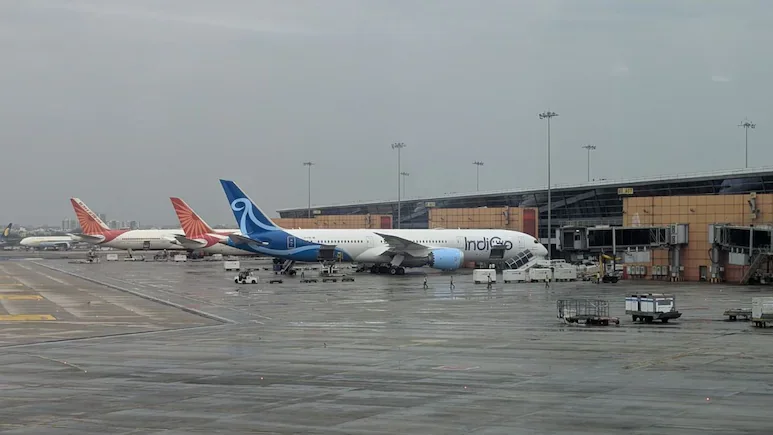
India’s aviation sector is closely watching a policy shift that could make government-backed support related to jet fuel costs more selective rather than automatic. The development comes as airlines navigate rising fuel prices, growing passenger demand, and increasing competition across domestic and international routes.
Aviation Policy Shift Puts Focus on Airline Economics
The aviation policy shift has sparked discussion across the airline industry because jet fuel remains one of the largest operating expenses for carriers. Aviation turbine fuel (ATF), commonly known as jet fuel, can account for a significant portion of an airline’s total costs, making government policies related to fuel pricing particularly important.
Historically, airlines have often sought policy support when fuel prices rise sharply due to global oil market volatility. Such support can come in different forms, including tax adjustments, temporary relief measures, or state-level incentives.
The latest policy direction suggests a move toward a more market-oriented framework where support measures may be applied selectively rather than broadly across the industry. This approach reflects a broader trend toward fiscal discipline while encouraging airlines to improve operational efficiency.
Industry stakeholders are now assessing how this policy change could affect profitability and route planning decisions in the years ahead.
Why Jet Fuel Costs Matter for Airlines
Jet fuel is among the most critical cost components in the aviation business. Unlike many other expenses, fuel costs are heavily influenced by international crude oil prices and currency movements, both of which are largely outside an airline’s control.
When oil prices rise, airlines face immediate pressure on operating margins. Carriers must then decide whether to absorb higher costs, improve efficiency, or pass some expenses on to passengers through ticket pricing.
India’s aviation market has experienced strong passenger growth in recent years, making cost management increasingly important. While higher passenger volumes can improve revenue, sustained increases in fuel expenses can still affect profitability.
The situation becomes more challenging when rising fuel prices coincide with intense fare competition. Airlines operating in highly competitive markets often have limited flexibility to raise ticket prices without affecting demand.
As a result, any policy changes related to fuel support attract significant attention from airline executives and investors.
Impact on Domestic Airlines and Regional Connectivity
A more selective support framework could affect airlines differently depending on their business models and route networks.
Large carriers with diversified operations, strong balance sheets, and extensive domestic and international networks may be better positioned to absorb fluctuations in fuel costs. Their scale often allows them to negotiate efficiencies across operations.
Smaller airlines and regional carriers, however, may face greater challenges. Regional routes frequently operate with lower passenger volumes and thinner profit margins compared with major metropolitan routes.
Government aviation initiatives have historically aimed to improve connectivity between smaller cities and underserved regions. If fuel-related support becomes more targeted, policymakers may prioritize routes that deliver strategic connectivity benefits rather than offering broad industry-wide relief.
This could create a more competitive environment where airlines must demonstrate operational sustainability while continuing to serve emerging markets.
Global Oil Markets Influence Aviation Outlook
The timing of this policy shift is significant because global energy markets remain sensitive to geopolitical developments and supply disruptions. Crude oil prices continue to influence aviation costs worldwide.
India imports most of its crude oil requirements, making domestic fuel pricing vulnerable to international market conditions. In addition, exchange rate fluctuations can further affect fuel costs because oil transactions are generally conducted in US dollars.
Airlines across the world have adopted various strategies to manage fuel-related risks. These include route optimization, fleet modernization, fuel-efficient aircraft investments, and operational improvements.
Indian carriers have increasingly focused on newer aircraft technologies that reduce fuel consumption while improving capacity and passenger experience.
The government’s evolving approach suggests that long-term competitiveness may depend more on efficiency and innovation than on broad-based fuel support mechanisms.
What the Policy Could Mean Going Forward
The aviation industry is likely to monitor future policy announcements carefully to understand how selective support measures will be implemented. The details will determine whether the shift has a modest impact or leads to meaningful changes in airline economics.
For passengers, the immediate effect may not be visible. However, fuel costs remain a key factor influencing ticket prices, route expansion plans, and airline profitability.
Investors will also be paying attention to how carriers adapt. Airlines that successfully manage fuel costs through operational improvements and strategic planning could be better positioned in a more market-driven environment.
At the same time, policymakers face the challenge of balancing fiscal responsibility with the goal of maintaining affordable air travel and expanding regional connectivity.
As India’s aviation sector continues to grow, the interaction between fuel policy, airline efficiency, and passenger demand will remain a critical factor shaping the industry’s future.
Takeaways
• Jet fuel remains one of the largest operating expenses for airlines.
• The policy shift suggests fuel-related support may become more selective rather than automatic.
• Regional carriers could face different challenges compared with larger airlines.
• Global crude oil prices and currency movements will continue to influence aviation costs.
Frequently Asked Questions
Why is jet fuel important for airlines?
Jet fuel is one of the biggest operating costs for airlines and has a direct impact on profitability and ticket pricing.
What does selective fuel support mean?
It generally refers to targeted assistance for specific routes, regions, or circumstances rather than broad industry-wide support.
How do crude oil prices affect airfares?
Higher crude oil prices increase fuel costs, which can eventually lead airlines to raise ticket prices if cost pressures persist.
Will this policy affect passengers immediately?
Not necessarily. The impact will depend on fuel prices, airline strategies, competition levels, and the specific details of future policy implementation.
(Aviation Policy India, Jet Fuel Costs, Aviation Turbine Fuel, Indian Airlines, Airline Industry India, Air Travel Market, Regional Connectivity, Crude Oil Prices, Airline Profitability, Aviation Sector News)