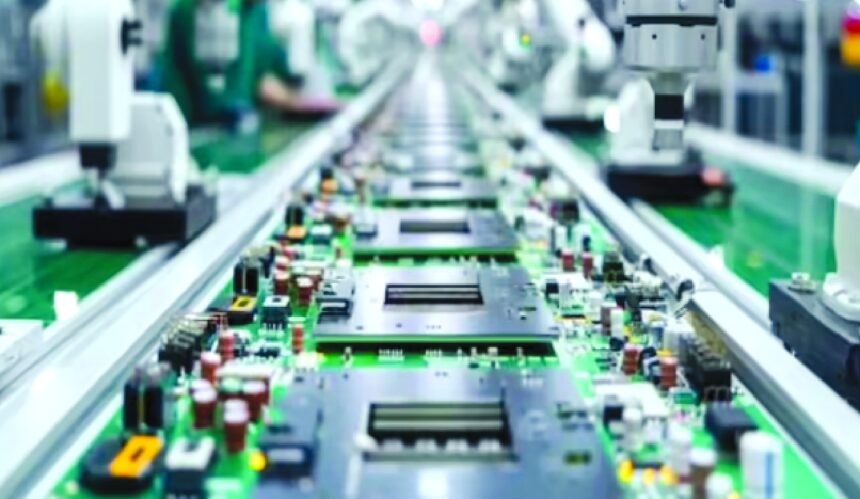
The Central Government has waived basic customs duty on several key electronics manufacturing components, aiming to reduce production costs, strengthen domestic value chains, and accelerate India’s ambitions of becoming a global electronics manufacturing hub under the Make in India initiative.
India has taken another significant step toward expanding its electronics manufacturing ecosystem by waiving customs duty on key components used in the production of electronic devices. The latest decision by the Finance Ministry is expected to lower manufacturing costs for companies producing smartphones, laptops, wearables, batteries, and other electronic products. The customs duty waiver is designed to encourage local manufacturing, reduce import dependence, and deepen India’s electronics supply chain as global companies continue to diversify production beyond traditional manufacturing hubs.
Customs Duty Waiver Covers Critical Electronics Components
The government has issued multiple notifications eliminating basic customs duty on specified goods used in manufacturing display assemblies, lithium-ion cells, and inductor coil modules. These components are widely used across consumer electronics, industrial equipment, medical devices, battery systems, and wireless charging technologies.
The exemption also extends to several parts used in display module manufacturing, including display cells, flexible printed circuit assemblies, backlight units, frames, and other specified inputs. In addition, concessional customs treatment has been granted to components required for manufacturing wireless charging inductor coil modules used in smartphones and other electronic devices.
According to the notifications, these exemptions will remain valid until March 31, 2029, providing manufacturers with long-term policy certainty for investment planning.
Move Supports Make in India and PLI Strategy
The customs duty waiver aligns with the government’s broader strategy of promoting domestic electronics production through the Production Linked Incentive (PLI) scheme and the Make in India programme.
Over the past few years, India has emerged as one of the world’s fastest-growing electronics manufacturing destinations. Major global companies and their contract manufacturers have expanded production facilities in the country for smartphones, laptops, consumer electronics, and electronic components.
However, many critical parts still depend on imports. By reducing the cost of importing these intermediate components, policymakers hope manufacturers will gradually build more sophisticated production capabilities within India instead of relying primarily on finished imports.
Officials believe the latest measure will help deepen the domestic electronics value chain while encouraging greater localisation of component manufacturing over the coming years.
Industry Expected to Benefit Through Lower Input Costs
The immediate benefit of the customs duty waiver will be lower production costs for electronics manufacturers. Reduced duties on imported components can improve operating margins and make products assembled in India more competitive in both domestic and export markets.
Companies involved in electronics manufacturing services, battery manufacturing, and component assembly are expected to benefit the most. Market participants responded positively to the announcement, with several listed electronics manufacturing companies witnessing gains after the policy was announced.
Industry executives have also welcomed the decision, stating that lower import costs for specialised components will encourage higher investments in domestic manufacturing while supporting India’s ambition to become an important player in global electronics supply chains.
What the Policy Means for Consumers and the Economy
While the customs duty waiver is primarily aimed at manufacturers, consumers could also benefit over time. Lower production costs may eventually improve pricing competitiveness for certain electronic products, although retail prices will continue to depend on raw material costs, exchange rates, logistics expenses, and market demand.
From an economic perspective, the policy strengthens India’s long-term manufacturing roadmap. As multinational companies continue to diversify supply chains, India is positioning itself as an alternative production base for electronics and advanced manufacturing.
The government’s focus is shifting beyond final assembly toward creating a complete ecosystem that includes components, batteries, display technologies, and high-value manufacturing processes. If supported by continued investment and infrastructure development, the latest customs duty relief could further increase India’s role in global electronics exports and generate additional employment across the manufacturing sector.
Takeaways
- The government has waived customs duty on several key electronics manufacturing components.
- The exemption covers inputs used for display assemblies, lithium-ion cells, and wireless charging modules.
- The duty relief will remain in force until March 31, 2029, providing long-term policy certainty.
- The move aims to reduce manufacturing costs, strengthen domestic value chains, and support Make in India.
FAQ
Q1. Which components are covered under the customs duty waiver?
The exemption includes specified inputs used for manufacturing display assemblies, lithium-ion cells, and inductor coil modules, along with certain wireless charging and display components.
Q2. Why has the government introduced this measure?
The objective is to reduce production costs, encourage domestic manufacturing, strengthen India’s electronics ecosystem, and reduce dependence on imported finished products.
Q3. How long will the exemption remain applicable?
According to the official notifications, the customs duty exemption will remain valid until March 31, 2029.
Q4. Which industries are expected to benefit the most?
Electronics manufacturing services, smartphone makers, battery manufacturers, component suppliers, and companies involved in consumer electronics production are expected to gain from lower input costs.
(Internal keyword suggestions: customs duty waiver, electronics manufacturing India, Make in India, electronics components, lithium-ion cells, display assemblies, smartphone manufacturing India, PLI scheme, electronics industry India, electronics manufacturing policy)