
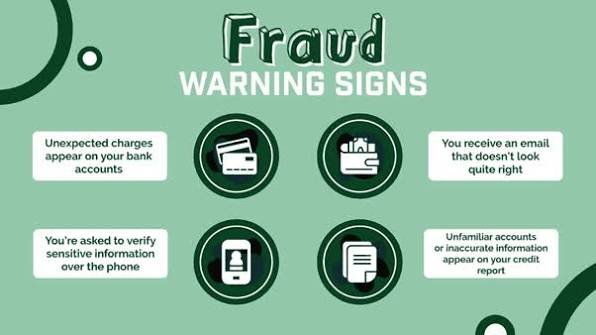
Cyber fraud can affect bank customers through unauthorised transactions, fake payment requests, phishing messages and stolen banking credentials. Regularly checking your bank account can help you identify suspicious activity early, report it to your bank and reduce potential losses. Knowing what to look for is essential for every digital banking user in India.
Why Regular Bank Account Checks Matter
Checking your bank account regularly is one of the simplest ways to spot possible cyber fraud. With UPI payments, mobile banking, internet banking and card transactions becoming part of everyday life, customers need to monitor their accounts instead of relying only on monthly statements.
Cybercriminals may use stolen passwords, deceptive links, fake customer care numbers or social engineering to gain access to financial information. In some cases, fraud begins when a person unknowingly shares an OTP, enters banking credentials on a fake website or approves a payment request without understanding its purpose.
An unfamiliar transaction does not automatically mean your account has been hacked. It could be a delayed payment, a recurring subscription, a merchant using a different billing name or a transaction made by another authorised account user. However, any transaction you cannot explain deserves immediate attention.
The key is to check your account consistently and act quickly when something appears wrong.
1. Check Your Bank Statement for Unauthorised Transactions
Your bank statement is one of the most useful tools for identifying suspicious financial activity. Review recent transactions through your bank’s official mobile application, internet banking website, ATM statement facility or passbook.
Look for payments you do not recognise, unexpected withdrawals, unfamiliar merchant names, duplicate debits and transfers to unknown beneficiaries. Pay attention to small transactions as well as large ones. In some fraud scenarios, criminals may test a payment method with a small amount before attempting larger transactions.
Compare the transaction date, amount and payment reference with your own purchases, bills and transfers. If the transaction remains unfamiliar, contact your bank through an official channel.
Do not assume that a small debit is harmless. Report suspicious entries even if the amount appears insignificant.
2. Monitor UPI Payments and Bank Notifications
UPI has made digital payments convenient, but users should carefully monitor payment requests, transaction notifications and linked bank accounts.
Open your UPI application and review the transaction history. Check whether payments were made to the correct recipients and whether any payment appears without your knowledge. Also review pending mandates and recurring payment permissions where the application provides these details.
Remember that receiving money through UPI generally does not require entering a UPI PIN. A PIN is used to authorise certain transactions, including payments. If someone asks you to enter your PIN to receive a refund or prize, treat the request with suspicion.
Never approve a collect request or payment mandate unless you understand why it has been sent. If an unfamiliar transaction appears, contact your bank and the relevant payment application through official support channels.
3. Watch for Suspicious Bank Alerts and OTP Messages
SMS and email alerts can help you identify unauthorised banking activity before you notice it in a statement. Keep your mobile number and email address updated with your bank so you can receive transaction notifications promptly. The Reserve Bank of India recommends using alerts and protecting confidential banking information.
Rbikehta Hai
+1
Be alert if you receive an OTP when you are not attempting a transaction, a password reset notification you did not request, or a message confirming that a new beneficiary has been added to your account.
These alerts do not prove that fraud has occurred. Someone may have entered your number by mistake, or a legitimate service may have triggered a notification. Nevertheless, unexpected security alerts should not be ignored.
Never share an OTP, PIN, CVV or banking password with anyone who contacts you. If you receive an unexpected OTP, do not approve any transaction. Open your bank’s official application or contact its verified customer support number to investigate.
4. Identify Phishing Messages and Fake Banking Websites
Phishing is a common method used to trick people into revealing sensitive information. Fraudsters may send messages claiming that your bank account will be blocked, your KYC details need immediate updating, or a suspicious transaction requires urgent verification.
These messages often create fear or pressure the recipient to act quickly. They may contain links to websites designed to resemble genuine banking portals.
Before entering banking details, check that you are using your bank’s official website or application. Avoid opening banking links received through unsolicited SMS messages, emails, social media posts or messaging applications.
Be particularly cautious of callers claiming to represent a bank, the police or a government agency who demand money or confidential banking information. The RBI advises customers not to share passwords, OTPs, PINs or card details with unidentified individuals.
Press Releases
+1
If you have entered your credentials on a suspicious website, contact your bank immediately and change the affected credentials using a trusted device and official channels.
5. Check Your Debit Card, Credit Card and Account Settings
Cyber fraud does not always involve an obvious bank transfer. Unauthorised card payments, online purchases and changes to account settings can also indicate a security problem.
Review your debit card and credit card statements for purchases you did not make. Check whether any unfamiliar recurring payments or subscriptions have appeared. If your banking application allows it, review registered beneficiaries, standing instructions, recurring mandates and other available security settings.
If your card is lost, stolen or suspected of being compromised, ask your bank to block it or disable online transactions as appropriate. Use the bank’s official application, verified customer service or branch to take action.
Also check whether your registered mobile number or email address has changed without your knowledge. Unexpected changes to contact details may affect your ability to receive alerts and control your account.
Keep your banking application updated, use a strong and unique password where applicable, and avoid conducting financial transactions over unsecured public Wi-Fi networks. These precautions can reduce exposure to common digital security risks.
Rbikehta Hai
+1
6. What to Do If You Discover Bank Account Fraud
If you identify an unauthorised transaction, act immediately. A quick response can help the bank and relevant authorities investigate the incident and may improve the chances of preventing further transfers.
Follow these steps:
- Contact your bank immediately using its official helpline, mobile application or branch. Report the unauthorised transaction and request that the affected card, account access or payment facility be secured.
- Report financial cyber fraud by calling India’s national helpline at 1930. You can also submit a complaint through the official National Cyber Crime Reporting Portal at cybercrime.gov.in.
2322 E+1
- Preserve evidence, including transaction IDs, bank messages, screenshots, suspicious phone numbers and relevant communication. Record your complaint or acknowledgement number.
- Change compromised passwords and PINs through official channels, after securing the affected account and device.
- Follow up with your bank and the investigating authorities. Keep copies of your complaint and any communication regarding the disputed transaction.
Do not delay reporting while trying to investigate the suspected fraud yourself. Never pay an unknown person who promises to recover your money in exchange for an advance fee.
Understanding RBI Rules on Unauthorised Transactions
Customer liability depends on the circumstances of the transaction, including whether the bank was responsible, whether a third-party breach occurred and whether the customer shared confidential credentials.
Under the RBI’s established 2017 framework, certain third-party unauthorised electronic transactions may qualify for zero customer liability if reported within three working days of receiving the bank’s communication. Different rules apply in cases involving customer negligence, delayed reporting and other circumstances. The RBI announced a review of the framework in March 2026, so customers should check the latest applicable directions and their bank’s policy rather than assume every fraud case receives automatic reimbursement.
Reserve Bank of India
+1
Reporting fraud does not guarantee that the money will be recovered. However, prompt reporting creates an official record and gives the bank and authorities an opportunity to respond.
Key Takeaways
- Review bank statements, UPI histories and card transactions regularly to identify unfamiliar payments.
- Never share your OTP, PIN, CVV or banking password, even with someone claiming to represent your bank.
- Report suspected financial cyber fraud immediately to your bank and call 1930 in India.
- Preserve transaction evidence and follow up on your complaint. Reimbursement depends on the applicable rules and circumstances.
Frequently Asked Questions
1. How can I check whether my bank account has been hacked?
Review recent transactions, UPI payment histories, bank alerts, beneficiary details and account security notifications. Unexplained debits, unexpected password resets or changes to registered contact details may indicate suspicious activity, although they do not independently confirm hacking.
2. What should I do if money is deducted from my account without permission?
Contact your bank immediately, request appropriate security measures and report the incident through helpline 1930 or cybercrime.gov.in. Keep the transaction reference, supporting evidence and complaint acknowledgement for follow-up.
3. Can I recover money lost through online banking fraud?
Recovery depends on the circumstances, the speed of reporting, the evidence available and the applicable banking rules. Contact your bank and the relevant authorities immediately. Reimbursement is not guaranteed in every case.
4. How often should I check my bank account for cyber fraud?
Check transaction alerts as they arrive and review your account activity regularly, preferably every few days if you use digital payments frequently. Do not wait for the end of the month to report a suspicious transaction.