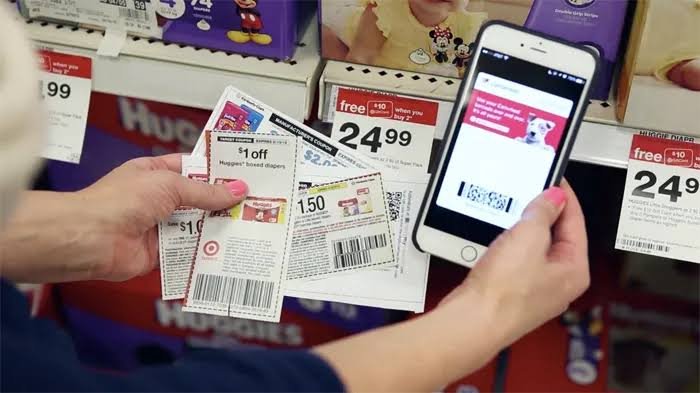
Fake shopping coupons are becoming more common as online shopping grows in India. Learning how to identify fraudulent offers can help consumers avoid scams, protect personal information, and prevent financial losses during festive sales and year-round online shopping.
Knowing how to spot fake shopping coupons before you click has become an essential digital safety skill for Indian consumers. Cybercriminals often use fake discount coupons, cashback offers, and gift vouchers to trick people into sharing personal details, downloading malware, or making fraudulent payments. These scams usually increase during festive sales, flash deals, and major shopping events hosted by popular e-commerce platforms. Understanding the warning signs can help shoppers enjoy genuine discounts while avoiding online fraud.
Why Fake Shopping Coupons Are Becoming More Common
India’s e-commerce market has expanded rapidly over the past few years, with millions of consumers purchasing products through online marketplaces and brand websites. This growth has also attracted scammers who exploit people’s interest in discounts.
Fraudsters create fake coupon websites, social media posts, WhatsApp forwards, SMS messages, and emails that promise unusually high discounts. These offers often imitate well-known shopping platforms by using similar logos, colours, and website layouts.
Many fake coupons claim to celebrate company anniversaries, festivals, or special promotions. They may ask users to click a link, complete a survey, share the message with friends, or pay a small processing fee to unlock a reward. Genuine retailers rarely require such actions to provide discount coupons.
Secondary keywords: online shopping scams, fake discount coupons, coupon fraud India.
Check the Website URL Before Claiming Any Offer
One of the easiest ways to identify fake shopping coupons is by examining the website address carefully. Cybercriminals frequently register domains that closely resemble official shopping websites.
For example, scammers may replace letters with similar-looking characters or add extra words to make the URL appear authentic. A small spelling difference is often enough to mislead users.
Always type the retailer’s website address manually or use the official mobile application instead of clicking unknown links received through messages or social media.
Look for secure website connections that begin with “https://” and display a valid security certificate. While HTTPS alone does not guarantee legitimacy, it is one basic security indicator.
If a coupon page looks different from the company’s official website or redirects multiple times, it is safer to leave the page immediately.
Be Suspicious of Offers That Sound Too Good
Scammers rely on excitement and urgency to encourage quick decisions. Offers claiming “100% free shopping,” “₹10,000 gift voucher for everyone,” or “Unlimited lifetime coupons” should immediately raise suspicion.
Legitimate businesses run promotions with clear eligibility rules, expiry dates, and terms and conditions. They rarely distribute expensive rewards without any purchase or verification process.
Many fake coupons also include countdown timers stating that the offer expires within minutes. These timers are designed to pressure users into clicking before they think carefully.
Before trusting any promotion, compare it with announcements published on the company’s official website or verified social media accounts.
Secondary keywords: online coupon scams, shopping fraud prevention, safe online shopping.
Never Share Personal or Financial Information
A genuine coupon generally requires minimal information, such as applying a coupon code during checkout or logging into your existing shopping account.
Fake coupon websites often request unnecessary details including:
- Debit or credit card numbers
- CVV or OTP
- UPI PIN
- Internet banking credentials
- Aadhaar or PAN details
- Passwords for shopping accounts
No legitimate retailer will ask for your banking password, OTP, or UPI PIN to activate a discount coupon.
If a website asks for sensitive financial information before revealing an offer, it is almost certainly fraudulent. Immediately close the page and avoid entering any personal data.
Verify Coupons Through Official Sources
The safest way to access shopping coupons is through official brand websites, verified mobile applications, or trusted promotional emails sent directly by the retailer.
Many companies also publish active offers through their verified social media accounts. Blue verification badges and consistent branding help distinguish official pages from fake profiles.
Before using a coupon circulating on WhatsApp or Telegram, search the company’s website to confirm whether the promotion actually exists.
Consumers should also install security updates on their smartphones and browsers. Updated software helps detect phishing websites and blocks many known malicious pages before they load.
Being cautious takes only a few extra minutes but can prevent identity theft and financial loss.
What to Do If You Click a Fake Coupon Link
Accidentally opening a suspicious coupon link does not always mean your information has been compromised. However, immediate action is important.
If you entered any passwords, change them immediately using the official website. Monitor bank accounts and UPI transactions for unusual activity.
If payment details or OTPs were shared, contact your bank without delay and request appropriate security measures. You should also report phishing websites to the concerned shopping platform and, if necessary, file a complaint through India’s National Cyber Crime Reporting Portal.
Regularly reviewing account activity helps detect unauthorized transactions early, increasing the chances of preventing further damage.
Takeaways
- Always verify shopping coupons through official websites or verified mobile apps.
- Avoid offers that promise unrealistic discounts or ask for payment to unlock rewards.
- Never share OTPs, banking passwords, or UPI PINs to claim coupons.
- Check website URLs carefully before clicking any shopping offer received online.
Frequently Asked Questions
1. Are all WhatsApp shopping coupons fake?
No. Some retailers share legitimate promotional offers through WhatsApp. However, every coupon should be verified through the company’s official website before use.
2. How can I check if a shopping coupon is genuine?
Visit the retailer’s official website or app and search for the promotion. Genuine offers are usually listed along with their terms and conditions.
3. Can fake coupons steal my money?
Yes. Fake coupon websites may collect payment information, banking credentials, or install malicious software that can lead to financial fraud.
4. What should I do if I shared my banking details on a fake coupon website?
Immediately contact your bank, block or secure your account if necessary, change affected passwords, monitor transactions, and report the incident through the National Cyber Crime Reporting Portal.