
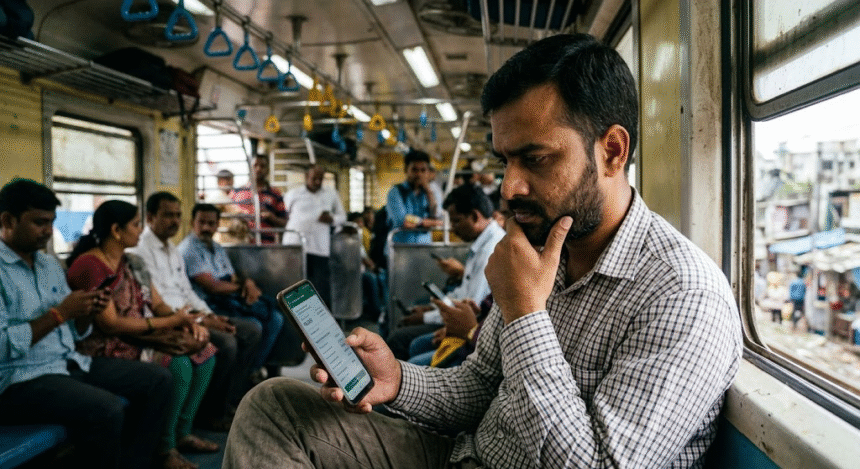
As digital lending expands across India, the conversation is shifting from how easily people can borrow to how well they can manage repayments when financial circumstances change.
Getting a personal loan today can be as simple as completing an online application and receiving approval within a short period. For someone facing an urgent medical bill, an unexpected expense or a temporary cash shortage, this convenience can provide genuine relief.
But what happens when the next EMI becomes difficult to pay?
For a growing number of borrowers, the challenge is no longer just accessing credit. It is managing multiple repayment commitments while balancing household expenses, changing incomes and the cost of everyday living.
Digital Lending Is Growing. What Does That Mean for Borrowers?
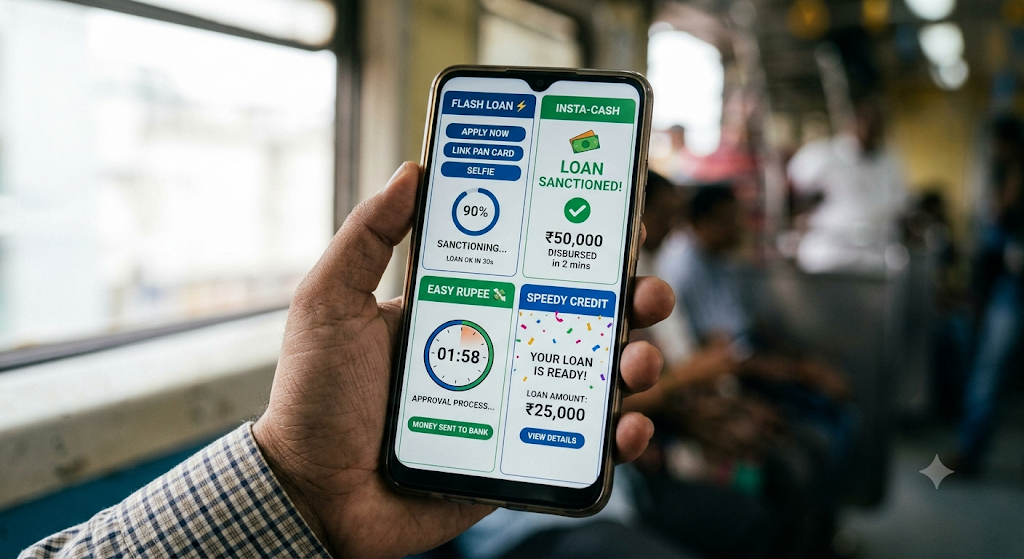
India’s digital personal-loan market has expanded considerably. According to a report by the Fintech Association for Consumer Empowerment (FACE), based on CRIF High Mark data, the outstanding portfolio of digital personal loans reached approximately ₹1.54 trillion in June 2026, representing growth of around 28% over the previous year.
Digital platforms have widened access to credit, allowing consumers to apply for loans without visiting a physical branch. However, the convenience of borrowing does not automatically make a loan affordable.
A borrower may qualify for a loan and still struggle to repay it comfortably. Eligibility reflects a lender’s assessment under its lending criteria; it does not necessarily mean that the EMI will remain manageable after rent, groceries, school fees, medical expenses and other obligations are paid.
This distinction becomes especially important when borrowers already have outstanding credit card balances or other personal loans.
When One Loan Leads to Another
Consider a salaried employee whose monthly income initially covers all expenses and EMIs. An unexpected medical bill creates a temporary shortfall. The employee takes a small personal loan to manage it.
A few months later, another expense arises. Meanwhile, the original EMI continues. If the employee begins using credit cards to cover everyday spending, the financial gap may become harder to close.
This is an illustrative example, but it reflects a risk worth understanding: borrowing to manage a temporary cash shortage can create additional fixed obligations that remain long after the original expense has passed.
Taking another loan to repay an existing one may sometimes be useful if the new arrangement genuinely lowers the overall cost and creates a sustainable repayment schedule. But if it simply postpones the problem or increases the total cost of borrowing, the relief may be temporary.
The important question is not merely whether another loan is available. It is whether the borrower’s overall financial position will improve after taking it.
Why Early Financial Assessment Matters
Borrowers facing repayment difficulties may delay reviewing their finances because they expect their situation to improve next month. Others may avoid contacting lenders because they feel embarrassed about missing an EMI.
Unfortunately, waiting without understanding the consequences can reduce the time available to assess possible options.
A practical first step is to calculate the total outstanding debt, the combined monthly EMI burden, essential household expenses and the amount realistically available for repayment.
Borrowers should also review loan agreements, interest rates, applicable charges and the consequences of missed payments. Where repayment has become difficult, they can ask their lenders whether any suitable options are available.
Depending on the circumstances and lender approval, these may include revised repayment terms, restructuring or, in certain cases, a negotiated settlement. Each option has different eligibility requirements, costs and potential credit-reporting implications.
No single approach works for everyone, and a new loan should not automatically be treated as the answer.
The Need for More Transparent Debt Resolution
As borrowing becomes increasingly digital, support for borrowers facing repayment stress also needs to account for individual circumstances.
AdvoExpert works with individuals and families experiencing debt-related difficulties, including challenges involving personal loans, credit card dues and recovery-related concerns. Its approach includes examining options such as restructuring, EMI reduction where feasible and negotiated settlement, rather than assuming that every borrower needs the same solution and accordingly work on the same.
Through its debt resolution services, the firm aims to help borrowers understand their circumstances and evaluate relevant options before making important financial decisions.
The value of this approach lies in recognising that two people with similar outstanding debts may have very different repayment capacities. A solution that works for one household may be unsuitable for another.
One-to-one client support can also help borrowers understand the process, clarify expectations and navigate difficult conversations with greater confidence.
The Future of Digital Credit Must Include Repayment Awareness
Digital lending has made credit more accessible, but responsible borrowing requires more than a quick approval. It requires an understanding of the total repayment obligation and the financial consequences of taking on additional debt.
For borrowers already under pressure, the priority should be to understand the problem before committing to another financial obligation.
AdvoExpert’s borrower-first philosophy reflects this principle: financial decisions should be based on a person’s actual circumstances, with clear information about the options, risks and limitations involved.
As India’s credit ecosystem evolves, the next important step is ensuring that borrowers have access not only to credit, but also to the information and support needed to manage it responsibly.
Because the real measure of financial access is not simply how quickly someone can borrow. It is whether they can make an informed decision about what they can afford to repay.