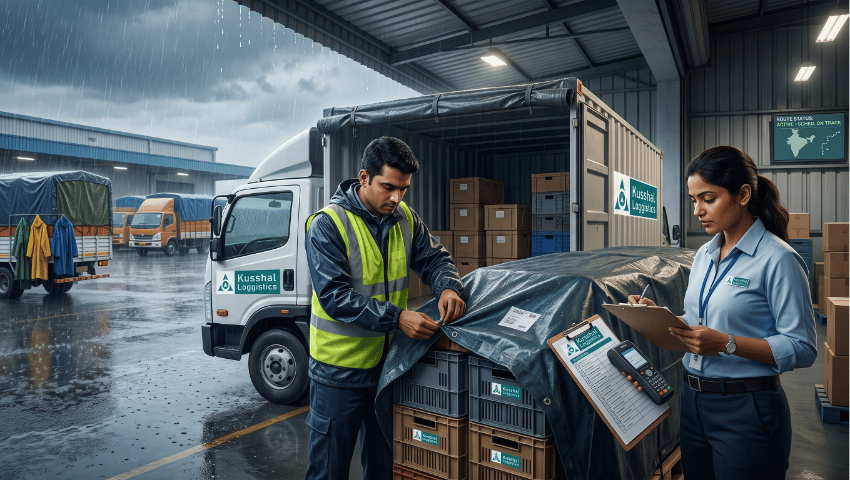
Manufacturing and logistics firms across India are closely monitoring freight costs as heavy monsoon rains disrupt transportation networks in several states. Delays in road movement, higher operating expenses, and changing delivery schedules have increased pressure on supply chains, prompting businesses to reassess logistics planning while working to minimize the impact on production and customer deliveries.
The topic is time-sensitive news, so this article follows a news reporting style based on current monsoon conditions and their impact on India’s manufacturing and logistics sectors.
Monsoon Disruptions Push Freight Costs Higher
The ongoing monsoon season has affected the movement of goods across multiple regions, particularly in states experiencing heavy rainfall and localized flooding. Waterlogged roads, damaged highways, traffic restrictions, and slower truck movement have increased transportation time for manufacturers and logistics operators.
Longer travel durations often translate into higher fuel consumption, increased vehicle operating costs, and greater expenditure on labor. Transport companies are also facing additional expenses as they reroute shipments to avoid flooded roads or temporarily inaccessible highways.
Although freight rates have not risen uniformly across the country, businesses operating in heavily affected regions are witnessing noticeable increases in transportation costs. The impact is more pronounced for industries dependent on road freight for raw materials and finished goods.
Manufacturers Rework Supply Chain Planning
Manufacturing companies are responding by adjusting production schedules and strengthening inventory management. Businesses that rely on just-in-time inventory systems are particularly cautious, as transportation delays can interrupt the timely arrival of raw materials and components.
Several manufacturers have increased safety stock at production facilities and regional warehouses to reduce the risk of operational disruptions. Companies are also working closely with logistics partners to identify alternative transportation routes and improve shipment visibility through digital tracking systems.
Industries such as automotive, consumer goods, pharmaceuticals, chemicals, and engineering products are among those paying close attention to freight costs during the monsoon season.
Logistics Companies Adapt to Weather Challenges
India’s logistics sector has become increasingly technology-driven, allowing transport operators to respond more effectively to weather-related disruptions. GPS-enabled fleet management, real-time traffic monitoring, and weather forecasting tools are helping companies make informed routing decisions.
Fleet operators are also staggering dispatch schedules to avoid peak rainfall periods where possible. Warehousing companies are coordinating more closely with transport providers to optimize loading and unloading operations when weather conditions permit.
While these measures improve operational efficiency, logistics providers acknowledge that severe weather events can still affect delivery timelines, particularly in regions experiencing prolonged rainfall or localized flooding.
Rising Freight Costs Affect Multiple Industries
Freight costs influence a wide range of industries beyond manufacturing. Consumer goods companies, retailers, e-commerce platforms, agricultural businesses, and exporters all depend on efficient logistics networks to move products across the country.
For exporters, transportation delays can affect shipment schedules at ports, increasing the importance of early cargo planning. Retail businesses may also experience temporary inventory shortages if replenishment cycles are delayed.
The agriculture sector remains particularly vulnerable during the monsoon. Delays in transporting fruits, vegetables, dairy products, and other perishable goods can increase spoilage and create temporary fluctuations in wholesale market arrivals.
Despite these challenges, most businesses continue to describe the current disruptions as operational rather than structural, expecting conditions to improve as weather stabilizes.
Technology and Infrastructure Help Reduce Risk
Over the past few years, significant investments in logistics infrastructure have strengthened India’s freight network. New expressways, dedicated freight corridors, multimodal logistics parks, and expanded warehousing capacity have improved supply chain resilience.
Many companies now use artificial intelligence, predictive analytics, and digital logistics platforms to anticipate disruptions and optimize transportation planning. These tools allow businesses to identify potential bottlenecks before shipments are dispatched.
Manufacturers are also diversifying supplier locations to reduce dependence on a single transportation corridor. This strategy helps ensure continuity even if one region experiences severe weather-related disruptions.
Industry experts believe that technology and infrastructure improvements have reduced the economic impact of seasonal weather events compared with previous years, although localized challenges remain unavoidable during periods of intense rainfall.
Businesses Expect Temporary Cost Pressures
Most industry observers expect freight cost pressures to remain temporary unless exceptionally heavy rainfall continues over an extended period. Companies are generally avoiding immediate price increases for customers and are instead focusing on improving operational efficiency to absorb higher logistics expenses.
Management teams are also monitoring fuel prices, weather forecasts, and transportation conditions before making longer-term supply chain decisions. Businesses with diversified logistics networks and strong inventory planning are expected to navigate the current challenges more effectively than firms with limited transportation flexibility.
As the monsoon progresses, manufacturing and logistics companies will continue balancing cost management with service reliability while ensuring that production and deliveries remain as uninterrupted as possible.
Key Takeaways
- Heavy monsoon rains have increased freight costs and delayed transportation across several regions.
- Manufacturers are strengthening inventory planning and adjusting production schedules to manage disruptions.
- Logistics companies are using technology and alternative routes to improve delivery efficiency.
- Most businesses expect the increase in freight costs to remain temporary if weather conditions improve.
FAQs
Q1. Why do freight costs rise during the monsoon?
Heavy rainfall slows transportation, increases fuel consumption, causes route diversions, and raises operating expenses for logistics providers.
Q2. Which industries are most affected by higher freight costs?
Manufacturing, retail, agriculture, pharmaceuticals, automotive, e-commerce, and consumer goods companies are among the sectors most affected.
Q3. How are logistics companies managing monsoon disruptions?
They are using GPS tracking, weather monitoring, route optimization, warehouse coordination, and digital fleet management to reduce delays.
Q4. Will freight cost increases affect consumer prices?
Short-term transportation cost increases may create pricing pressure in some sectors, but many companies initially attempt to absorb higher logistics expenses through operational efficiencies.
(Internal Keyword Suggestions: freight costs India, manufacturing logistics India, monsoon supply chain, logistics sector India, transportation costs India, freight market India, warehouse logistics, monsoon business impact, manufacturing supply chain, logistics news India)