
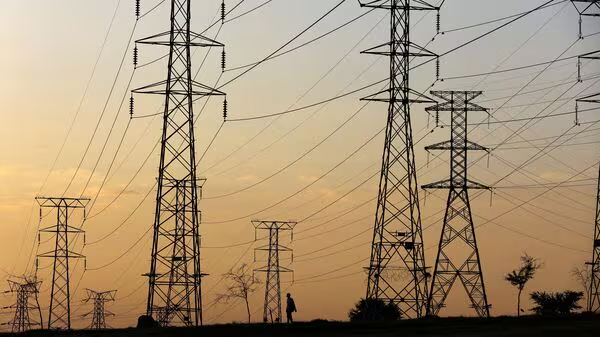
India’s NTPC is in talks with South Africa’s Eskom over a potential renewable energy partnership, opening a possible new chapter in energy cooperation between the two countries. Discussions reportedly include the structure of a collaboration and the possibility of a joint venture, although no final agreement has been announced.
NTPC and Eskom Discuss Renewable Energy Collaboration
NTPC Ltd, India’s largest power generation company, is exploring opportunities to collaborate with Eskom, South Africa’s state-owned electricity utility, in the renewable energy sector. The discussions were reported by Mint on October 12, 2026, citing South African High Commissioner to India Anil Sooklal.
The two companies are reportedly discussing the possible structure of the partnership, including the option of establishing a joint venture. However, the talks remain at the discussion stage, and the companies have not publicly confirmed a final agreement, project investment or implementation timeline.
The potential collaboration comes as both countries work to expand cleaner sources of electricity while maintaining reliable power supplies. Renewable energy projects require substantial investment, technical expertise, grid infrastructure and long-term planning, making cooperation between established power utilities a possible route to sharing capabilities.
For NTPC, an international partnership could provide an opportunity to explore projects beyond its domestic market. For Eskom, collaboration with an experienced power producer could potentially support South Africa’s efforts to diversify its electricity generation mix.
Eskom’s Renewable Energy Plans Gain Momentum
Eskom has been working to expand its role in renewable energy as South Africa seeks to reduce its dependence on conventional power generation and strengthen electricity supply.
On October 9, 2026, Eskom announced a strategic partner selection process for up to 6 gigawatts of utility-scale renewable energy and energy storage projects under the first phase of its Eskom Green programme.
The initiative aims to expand renewable electricity supply, help industrial customers reduce the carbon footprint of their energy consumption and support the country’s broader energy transition. Eskom is seeking experienced partners for projects that could include renewable generation and energy storage.
The announcement provides important context for the reported discussions with NTPC. It demonstrates that Eskom is actively looking at ways to bring strategic partners into its renewable energy expansion plans.
However, Eskom’s 6 GW programme should not be treated as the confirmed size of any proposed NTPC partnership. There has been no public confirmation that NTPC has been selected for these projects or that the reported discussions are directly linked to a specific project under the programme.
The outcome will depend on the companies’ negotiations, the partnership structure and any subsequent project approvals.
India’s NTPC Expands Its Renewable Energy Focus
NTPC has traditionally been associated with large-scale thermal power generation, but the company has been expanding its renewable energy portfolio through solar and wind projects and other clean-energy initiatives.
Its renewable energy operations include projects developed through NTPC Green Energy Ltd and its subsidiaries. These businesses are involved in expanding renewable generation capacity and supporting India’s broader clean-energy objectives.
NTPC has also pursued projects combining renewable electricity with storage or arrangements designed to provide power more consistently. Such approaches address a central challenge of solar and wind energy: generation depends on weather conditions and the availability of sunlight or wind.
Battery storage can help manage fluctuations by storing electricity when supply is available and releasing it when required. However, storage projects require additional capital, suitable technology and careful integration with electricity networks.
International collaboration could allow NTPC to explore opportunities in markets with different regulatory systems, electricity demand patterns and renewable energy resources. It could also create opportunities for technical cooperation and project development.
Any expansion into South Africa would nevertheless require an assessment of local regulations, project economics, financing arrangements and the commercial interests of both parties. The reported discussions do not yet establish how NTPC would participate or what financial commitment might be involved.
Why South Africa Needs Renewable Energy Investment
South Africa’s electricity sector faces the challenge of maintaining reliable supply while modernising its generation infrastructure. Eskom remains a central player in the country’s power system, and diversifying electricity sources is an important part of its longer-term energy strategy.
Renewable energy investment can help reduce dependence on coal-fired generation and support efforts to lower emissions. Solar and wind projects can also create opportunities for investment in transmission infrastructure, energy storage, engineering services and industrial supply chains.
However, expanding renewable generation is not simply a matter of installing more solar panels or wind turbines. Electricity grids must be able to transport power from generation sites to consumers, while system operators must balance changes in supply and demand.
Energy storage can help manage some of these challenges, but it does not replace the need for adequate transmission capacity, reliable backup generation and effective grid management.
For international investors and energy companies, these requirements create opportunities as well as risks. Project developers must consider construction costs, financing conditions, electricity purchase arrangements, currency exposure and the stability of the regulatory environment.
A partnership involving NTPC and Eskom could potentially draw on their experience in power generation and infrastructure development. Its practical value, however, would depend on the projects eventually agreed upon and their ability to meet South Africa’s energy needs at competitive costs.
What a Potential India-South Africa Energy Partnership Could Mean
The discussions could strengthen commercial cooperation between India and South Africa in a sector that is increasingly important to industrial development and energy security.
Both countries have large electricity systems and substantial infrastructure requirements. Cooperation between their power utilities could create opportunities to exchange technical knowledge, explore renewable energy projects and develop new commercial relationships.
For NTPC, a partnership could offer an opportunity to assess an international market and apply its experience in power generation and project development. For Eskom, working with an overseas utility could potentially broaden access to technical expertise and investment capabilities.
The possible benefits would depend on the final structure of the arrangement. A joint venture, for example, would require clarity on ownership, capital contributions, responsibilities, governance and the distribution of project returns. A technical or project-development partnership could follow a different model.
The companies would also need to determine which technologies and projects offer the strongest commercial case. Solar generation, wind power and battery storage have different investment requirements and operational characteristics.
At this stage, it would be premature to estimate the partnership’s impact on revenue, employment or electricity supply. Those outcomes can be assessed only after the companies disclose concrete plans, project details and implementation milestones.
What Happens Next in the NTPC-Eskom Talks?
The immediate development to watch is whether the ongoing discussions produce a formal memorandum of understanding, joint venture proposal or project-level agreement.
Any formal announcement would help establish the partnership’s scope, including whether it covers renewable generation, battery storage, technical cooperation or a combination of activities.
Investors and industry observers will also look for details on financing, ownership, project capacity and the expected timeline. These factors will determine whether the discussions translate into a commercially significant development.
Until the companies release further information, the proposed collaboration should be viewed as an opportunity under consideration rather than a completed transaction.
The talks nevertheless highlight the growing importance of international cooperation as power companies seek to balance energy security, investment requirements and the transition towards lower-carbon electricity.
Key Takeaways
- NTPC and South Africa’s Eskom are reportedly discussing a potential renewable energy partnership, including a possible joint venture.
- Eskom announced a strategic partner selection process on October 9 for up to 6 GW of renewable energy and storage projects.
- NTPC’s expanding renewable energy portfolio could provide a foundation for exploring international opportunities.
- No final partnership agreement, investment amount, project capacity or implementation timeline has been publicly confirmed.
Frequently Asked Questions
1. Are NTPC and Eskom entering a renewable energy partnership?
The companies are reportedly in discussions about a possible collaboration. A final partnership agreement has not been publicly confirmed as of October 12, 2026.
2. What is Eskom’s 6 GW renewable energy programme?
Eskom announced a strategic partner selection process for up to 6 GW of utility-scale renewable energy and energy storage projects under the first phase of its Eskom Green programme on October 9, 2026. NTPC’s participation in the programme has not been confirmed.
3. How could the partnership benefit NTPC?
A potential collaboration could give NTPC an opportunity to explore renewable energy projects in South Africa, develop international relationships and apply its power generation expertise in another market. The actual benefits will depend on the terms and scope of any agreement.
4. When will the NTPC-Eskom partnership begin?
No confirmed start date has been announced. Further details would be needed before a project timeline or implementation schedule could be established.