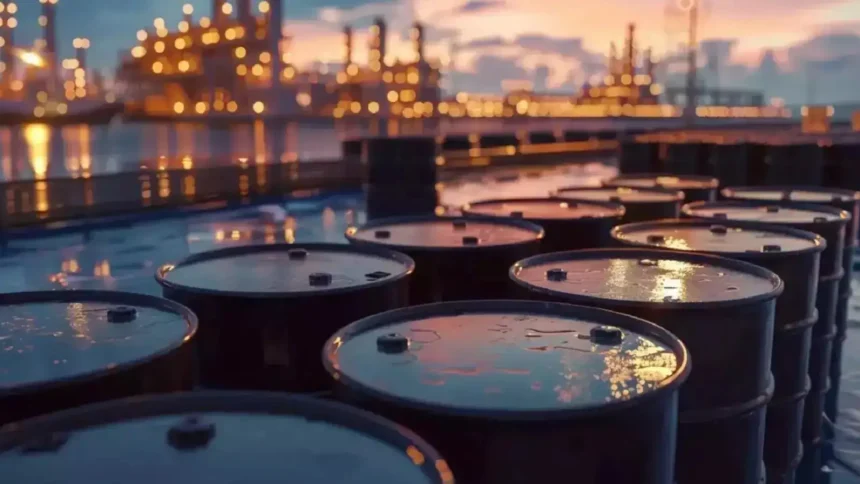
Oil and metals rebound across global markets after early peace signals between Ukraine and Russia helped stabilise crude prices. This commodity bounce comes at a sensitive time for policymakers worldwide, as rising input costs could weigh on inflation just when major economies are hoping for relief.
Short summary: Crude oil stabilised and key industrial metals rebounded after early diplomatic signals from the Ukraine Russia front. The recovery in commodities has lifted market sentiment but also revived inflation risks for advanced and emerging economies navigating fragile disinflation trends.
Crude Oil Finds Stability After Geopolitical Softening
Global crude markets reacted sharply to reports of de escalation signals between Ukraine and Russia. While full clarity is still pending, the softening tone helped cool supply fear premiums that had elevated prices earlier. Brent and WTI moved into a steadier range as traders recalibrated expectations of supply disruptions.
A more predictable geopolitical backdrop allows refiners and importers to plan procurement better. However, crude prices remain elevated compared to earlier months and have not corrected enough to guarantee inflation relief. For economies heavily dependent on energy imports, including India, Japan and parts of Europe, any sustained firmness in crude continues to exert pressure on fuel costs, fiscal positions and consumer inflation outcomes.
Metals Rally On Improved Risk Sentiment And Demand Clarity
Industrial metals find support after weeks of volatility
Copper, aluminium, zinc and nickel registered sharp gains as markets priced in smoother global supply routes and more stable shipping conditions. The metals market had been under strain due to supply chain disruptions and uneven demand trends across manufacturing hubs. Better clarity around geopolitical tensions provided a near term lift.
Copper’s rebound is notable because it is a strong indicator of underlying industrial and construction activity. A rise in copper prices often signals expectations of improved global manufacturing demand. Aluminium and steel linked metals also saw upward movement as traders viewed the easing geopolitical tension as supportive for global trade.
China linked demand dynamics provide additional support
Although China’s property sector remains under pressure, recent policy support and marginal improvements in industrial output have supported metals demand. Traders are now betting that China’s stimulus efforts could translate into more consistent demand over the next quarter. Combined with the geopolitical softening, this shift is helping metals find stronger footing after an extended period of weakness.
Inflation Concerns Resurface As Commodity Prices Firm Up
Global disinflation path may face fresh hurdles
Many central banks, including the Federal Reserve and European Central Bank, are watching commodity trends closely. Inflation has been cooling, but the improvement remains fragile. A rebound in crude and metals could interrupt the disinflation momentum that has encouraged policymakers to consider early rate cuts. If commodity prices continue to climb, monetary easing timelines may be pushed further out.
Energy and metals are critical components of global supply chains. Fuel prices affect transportation and logistics, while metals feed into manufacturing, electronics, construction and infrastructure. Any sustained rise in these inputs raises production costs, which eventually bleed into consumer inflation.
Emerging markets remain highly exposed to price swings
Emerging economies face sharper risks due to weaker currencies and higher import dependence. Even modest increases in crude can widen trade deficits, pressure exchange rates and force local authorities to maintain tighter monetary conditions. Countries like India, the Philippines, Thailand and Turkey are particularly sensitive to energy and metals cycles. As commodities rebound, inflation management becomes more complicated for these regions, especially at a time when domestic demand is recovering.
What Investors Should Track Next
Markets are now closely watching three major triggers. First, whether geopolitical softening between Ukraine and Russia translates into sustained stability or if tensions re escalate. Second, signals from major central banks on the pace and direction of rate cut expectations. Third, China’s economic data, which will influence metals demand and commodity price volatility.
If peace signals hold and supply fears continue to ease, crude could stabilise further. However, if demand strengthens simultaneously, prices could remain firm rather than fall. Metals markets will track industrial output figures, global manufacturing PMI readings and export trends across Asia. Investors looking at commodity exposed sectors should prepare for higher volatility as macro and geopolitical variables push markets in both directions.
Takeaways
Crude oil steadied after early peace signals between Ukraine and Russia reduced supply concerns.
Industrial metals rebounded on improved risk sentiment and expectations of stronger demand.
The commodity bounce could slow global disinflation and challenge central bank rate cut timelines.
Emerging markets may face renewed inflation pressure if crude and metals remain elevated.
FAQ
Why did crude oil stabilise suddenly?
Early de escalation signals between Ukraine and Russia reduced fears of supply disruptions, helping crude settle into a steadier range.
Will the rebound in commodities increase inflation globally?
If sustained, yes. Higher energy and metal prices can raise production and logistics costs, which push consumer inflation higher.
Which countries are most exposed to rising crude prices?
Large energy importers like India, Japan and several emerging market economies face sharper inflation and currency risks when crude rises.
How long can the commodity rebound last?
It depends on geopolitical stability, China’s industrial demand and policy shifts by central banks. Markets will remain volatile in the near term.