Summary: ONDC is rapidly expanding its seller network with new integrations, strengthening its position in India’s digital commerce space. The growth is intensifying competition with established e commerce platforms and reshaping how online retail operates.
ONDC seller network expansion is accelerating as the Open Network for Digital Commerce adds new sellers, service providers, and platforms to its ecosystem. This expansion is increasing competitive pressure on private e commerce giants by offering an alternative model that focuses on interoperability and open access.
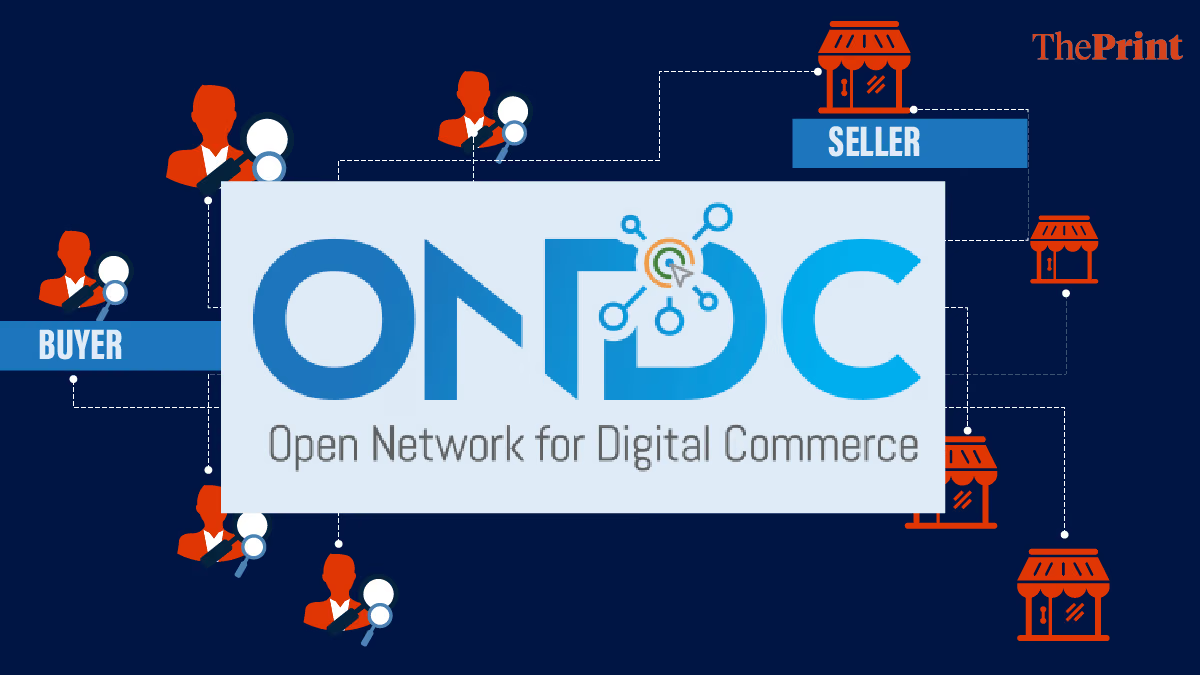
The network is designed to break platform monopolies by enabling buyers and sellers to transact across different applications without being locked into a single marketplace. As more participants join, ONDC’s scale and influence in India’s digital commerce landscape continue to grow.
ONDC Expansion Strategy Gains Traction
ONDC expansion is being driven by continuous onboarding of sellers across categories such as groceries, food delivery, mobility services, and retail products. Small and medium enterprises are a key focus, as the platform aims to democratize access to online markets.
Unlike traditional e commerce platforms, ONDC operates as a network rather than a centralized marketplace. Sellers can list their products through multiple apps, increasing visibility and reducing dependence on a single platform.
The addition of new seller integrations is improving product variety and availability, making the network more attractive to consumers. As participation increases, network effects begin to strengthen, encouraging further adoption.
Competition with E Commerce Giants Intensifies
The rise of ONDC seller network expansion is directly impacting competition with established e commerce players. Platforms that operate on closed ecosystems rely heavily on controlling both demand and supply, whereas ONDC promotes an open structure.
This shift challenges traditional business models that depend on high commissions and platform exclusivity. Sellers on ONDC may benefit from lower costs and greater flexibility, which can influence their choice of platform.
For large e commerce companies, this creates pressure to adapt. They may need to revisit pricing strategies, seller incentives, and service offerings to remain competitive in a more open digital marketplace.
Benefits for Sellers and Small Businesses
ONDC expansion offers significant advantages for sellers, particularly small businesses that often face barriers when entering large e commerce platforms. Lower onboarding costs and reduced commission structures make participation more accessible.
Sellers can also retain greater control over pricing, inventory, and customer relationships. This reduces dependency on a single platform and allows businesses to diversify their online presence.
The ability to reach customers across multiple buyer apps without separate integrations simplifies operations. This efficiency can improve margins and support long term growth for smaller enterprises.
Consumer Impact and Market Dynamics
For consumers, ONDC seller network expansion can lead to increased choice and competitive pricing. As more sellers join the network, product availability improves, and price competition intensifies.
Consumers can access products and services through different apps while still interacting with the same underlying network. This flexibility enhances convenience and reduces platform lock in.
However, the user experience across apps may vary, as ONDC relies on multiple interfaces rather than a single standardized platform. Ensuring consistency in service quality remains an ongoing challenge.
Policy Support and Digital Commerce Vision
The growth of ONDC is supported by a broader policy vision aimed at creating a more inclusive and competitive digital economy. The initiative aligns with efforts to support small businesses and reduce concentration in the e commerce sector.
Government backing provides credibility and encourages participation from both private players and startups. The network approach also aligns with India’s push toward digital public infrastructure, similar to models seen in payments and identity systems.
As the network scales, regulatory considerations may evolve to ensure fair competition and consumer protection. This will be important in maintaining trust and long term sustainability.
Challenges and Execution Risks
Despite strong momentum, ONDC expansion faces several challenges. Building a seamless and reliable network across multiple participants requires robust technology and coordination.
Ensuring consistent logistics, delivery timelines, and customer support across different service providers can be complex. Any gaps in execution could affect user trust and adoption.
There is also the challenge of achieving scale quickly enough to compete with established platforms that already have large user bases and strong brand recognition. Continued onboarding and ecosystem development will be critical.
Future Outlook for ONDC in India
The future of ONDC seller network expansion appears promising as more participants join and the ecosystem matures. If adoption continues to grow, the network could significantly reshape India’s e commerce landscape.
The focus will likely remain on improving user experience, expanding categories, and strengthening logistics integration. Partnerships with technology providers and startups can further accelerate growth.
Over time, ONDC has the potential to create a more balanced digital marketplace where competition is driven by efficiency and service rather than platform control. This could mark a structural shift in how online commerce operates in India.
Takeaways
- ONDC is expanding its seller network, increasing competition in e commerce
- Open network model challenges traditional platform based marketplaces
- Small businesses benefit from lower costs and greater flexibility
- Consumer choice and price competition are expected to improve
FAQ
What is ONDC and how does it work
ONDC is an open digital commerce network that allows buyers and sellers to transact across multiple apps without being tied to one platform.
How does ONDC affect traditional e commerce companies
It introduces competition by reducing platform dependency and offering sellers alternative ways to reach customers.
Who benefits the most from ONDC expansion
Small and medium businesses benefit from lower costs and wider market access.
Are there challenges in using ONDC
Yes, maintaining consistent service quality and user experience across different apps can be challenging.