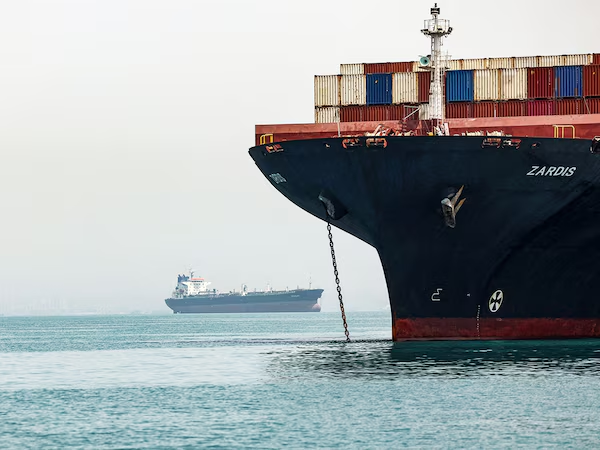
India’s export sector is closely watching the RBI export credit relief deadline as June approaches. With trade routes facing uncertainty due to ongoing Middle East tensions, exporters and policymakers are assessing whether additional support measures may be needed to protect shipments, financing, and global competitiveness.
Why the RBI Export Credit Relief Matters
The Reserve Bank of India introduced export credit relief measures to ensure exporters continued receiving access to working capital and trade finance during periods of global uncertainty. Export credit plays a critical role in helping businesses fund production, logistics, and overseas shipments before payments are received from foreign buyers.
As the June deadline approaches, exporters across sectors such as engineering goods, textiles, chemicals, pharmaceuticals, and agricultural products are monitoring policy developments closely. Many businesses rely on affordable export financing to maintain cash flow and fulfill international orders.
The relief measures have provided flexibility to banks and exporters, helping reduce financial stress during periods of global disruption. Any change in these provisions could affect borrowing costs and financing availability for export-oriented companies.
Middle East Trade Risks Add Fresh Concerns
The discussion around export credit comes at a time when Middle East trade risks remain a significant concern for global commerce. The region is strategically important for shipping routes connecting Asia, Europe, and parts of Africa.
Any disruption in maritime traffic can lead to longer transit times, higher insurance premiums, and increased freight costs. Indian exporters have already experienced periods of shipping delays and rising logistics expenses due to geopolitical developments affecting major sea routes.
The Middle East is also an important destination for Indian exports, including food products, engineering goods, construction materials, and consumer products. A prolonged period of uncertainty could impact both trade volumes and profitability for exporters.
Businesses are therefore paying close attention not only to RBI policy decisions but also to developments across international trade corridors.
Impact on India’s Export Sector and Trade Finance
India’s export sector has become an increasingly important contributor to economic growth. Government initiatives aimed at boosting manufacturing and improving global competitiveness have encouraged companies to expand their overseas presence.
Trade finance remains one of the key pillars supporting export growth. When exporters receive easier access to credit, they can accept larger orders, invest in production capacity, and compete more effectively in international markets.
However, geopolitical uncertainty can increase risks for banks and financial institutions involved in export financing. Rising freight costs, shipping delays, and payment uncertainties may affect the overall risk profile of trade transactions.
Industry groups have argued that maintaining stable access to export credit is particularly important during periods of external volatility. Many believe continued support could help businesses navigate uncertain global conditions while protecting India’s export momentum.
Global Trade Environment Remains Challenging
The broader global trade environment remains complex. Slower economic growth in some major economies, fluctuating commodity prices, supply chain adjustments, and geopolitical tensions continue to influence international trade patterns.
Indian exporters have shown resilience by diversifying markets and exploring new trade opportunities. Nevertheless, external shocks can still affect demand, logistics networks, and financing conditions.
The Middle East remains a crucial region for both energy supplies and commercial trade. Any escalation of tensions can have ripple effects across global shipping networks and international markets.
This is why policymakers are balancing multiple priorities, including financial stability, export competitiveness, and risk management. The approaching deadline for export credit relief has therefore become an important issue for exporters, banks, and investors alike.
What Businesses Will Watch Next
In the coming weeks, exporters will be looking for signals regarding the future of RBI’s export credit support framework. Industry stakeholders are expected to closely monitor policy announcements, banking sector guidance, and trade-related developments.
Businesses will also focus on shipping costs, freight availability, insurance rates, and export order trends. These factors will help determine whether current trade conditions justify continued support measures.
For many exporters, the objective is not only to secure financing but also to maintain predictability in an increasingly uncertain global environment. Stable credit availability can help businesses plan production schedules, manage working capital, and fulfill international commitments without disruption.
As India continues its push to strengthen exports and expand its global trade footprint, decisions surrounding export finance support will remain an important area of attention.
Key Takeaways
• RBI’s export credit relief measures are approaching a key June deadline.
• Indian exporters are monitoring potential policy decisions that could affect trade financing.
• Middle East tensions continue to create uncertainty for shipping routes and logistics costs.
• Stable access to export credit remains important for maintaining export growth and competitiveness.
FAQs
What is export credit?
Export credit refers to financing provided to exporters to help fund production, shipment, and other trade-related activities before receiving payment from overseas buyers.
Why is the RBI export credit relief important?
The relief measures provide flexibility and support for exporters, helping businesses manage working capital and trade finance needs during uncertain global conditions.
How do Middle East trade risks affect Indian exporters?
Geopolitical tensions can increase freight costs, delay shipments, raise insurance expenses, and create uncertainty across important trade routes.
Which sectors could be most affected?
Industries with significant export exposure, including engineering goods, pharmaceuticals, textiles, chemicals, and agriculture, could be affected by changes in financing conditions and trade disruptions.
(rbi export credit relief, india exports, middle east trade risks, export finance india, trade finance, indian exporters, shipping route disruption, export credit policy, global trade outlook, logistics costs)