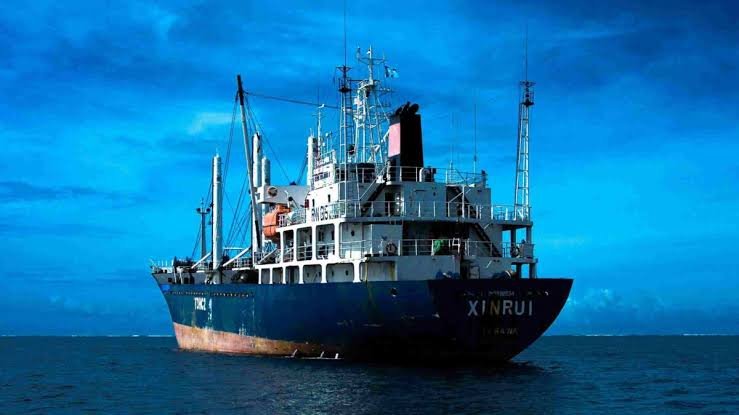
Red Sea tensions have once again become a major concern for global energy markets as shipping disruptions, security risks, and higher transportation costs threaten oil supply chains. Investors, governments, and businesses are closely monitoring developments due to their potential impact on crude oil prices, inflation, and international trade.
Red Sea tensions are back in focus after renewed security concerns in one of the world’s busiest maritime trade routes raised fresh questions about global energy supplies. Although oil production has not been significantly disrupted, attacks on commercial shipping and rising geopolitical uncertainty have increased freight costs, altered shipping routes, and added risk premiums to crude oil prices. Markets are now assessing whether prolonged instability could influence inflation, global growth, and energy security in the months ahead.
Why the Red Sea Is Critical for Global Energy Trade
The Red Sea serves as one of the world’s most important maritime corridors for energy transportation. It connects the Mediterranean Sea to the Indian Ocean through the Suez Canal and the Bab el Mandeb Strait, making it a vital route for crude oil, refined petroleum products, and liquefied natural gas shipments.
A significant share of global seaborne oil trade passes through this corridor each year. When security threats emerge in the region, shipping companies often face higher insurance costs and operational risks. Some vessels choose longer routes around the Cape of Good Hope, increasing travel time, fuel consumption, and transportation expenses.
These additional costs can eventually affect energy prices worldwide, even if oil production itself remains stable.
Shipping Disruptions Are Influencing Energy Markets
Recent attacks on commercial vessels operating near the Red Sea have prompted several international shipping companies to reassess their routes. While naval forces from multiple countries continue efforts to secure the region, uncertainty has remained elevated.
Energy traders closely monitor shipping patterns because delays in crude oil deliveries can tighten short term supplies in certain markets. Although global oil inventories currently provide some cushion against immediate shortages, sustained disruptions could place additional pressure on supply chains.
Financial markets often react quickly to geopolitical developments. Even without actual supply losses, uncertainty alone can lead to higher oil prices as traders factor additional risk into energy contracts.
Higher Oil Prices Could Affect Global Inflation
One of the biggest concerns arising from Red Sea tensions is the possibility of sustained increases in crude oil prices.
Oil remains a key input for transportation, manufacturing, aviation, agriculture, and industrial production. When crude prices rise, businesses frequently experience higher operating costs. Some of these costs may eventually be passed on to consumers through increased prices for goods and services.
Central banks across major economies have spent the past several years working to bring inflation under control. A prolonged rise in energy prices could complicate those efforts by increasing fuel and transportation costs.
For emerging economies that depend heavily on imported crude oil, including India, higher energy prices can also widen trade deficits and put pressure on domestic inflation.
India’s Economy Is Watching Developments Closely
India imports more than 80 percent of its crude oil requirements, making international energy prices an important factor for economic planning.
Although India purchases crude from a diversified group of suppliers, any sustained increase in global benchmark prices can influence fuel import bills, inflation, government finances, and corporate profitability.
Industries such as airlines, logistics, chemicals, paints, fertilizers, and manufacturing are particularly sensitive to higher fuel costs.
The Reserve Bank of India also monitors global oil prices while assessing inflation trends. If crude prices remain elevated for an extended period, policymakers may need to reassess inflation forecasts even if domestic demand remains stable.
Energy Companies and Investors Remain on Alert
Energy producers, refiners, shipping companies, and commodity traders continue to monitor developments in the Red Sea on a daily basis.
Oil markets are influenced not only by physical supply and demand but also by expectations. Geopolitical risks, production decisions by major oil-producing nations, inventory levels, and global economic growth all contribute to price movements.
Investors are also evaluating whether prolonged shipping disruptions could affect quarterly earnings for industries that rely heavily on imported raw materials or international logistics.
At the same time, analysts note that global energy markets have become more resilient compared to previous decades due to diversified supply sources, increased strategic petroleum reserves, and improved shipping flexibility.
Outlook Depends on Geopolitical Developments
The future direction of energy markets will largely depend on how geopolitical conditions evolve in the Red Sea region.
If shipping routes remain secure and international naval operations successfully reduce attacks, energy markets may stabilize despite temporary volatility. However, any escalation that significantly disrupts commercial shipping could result in higher transportation costs, stronger oil prices, and renewed inflation concerns across several economies.
For businesses and investors, the Red Sea has once again become a key indicator of global market risk. While no major global energy shortage currently exists, the region’s strategic importance means developments there will continue to influence commodity markets, inflation expectations, and financial sentiment worldwide.
Key Takeaways
- The Red Sea remains one of the world’s most important routes for global oil transportation.
- Shipping disruptions are increasing freight costs and adding uncertainty to energy markets.
- Higher crude oil prices could affect inflation, trade balances, and business costs globally.
- India is closely monitoring developments because of its heavy dependence on imported crude oil.
Frequently Asked Questions
Q1. Why is the Red Sea important for global energy markets?
The Red Sea connects major international shipping routes through the Suez Canal, allowing significant volumes of crude oil and petroleum products to move between Europe, Asia, and the Middle East.
Q2. How do Red Sea tensions affect oil prices?
Security risks can increase shipping costs, insurance premiums, and delivery times. Markets often respond by adding a geopolitical risk premium to crude oil prices.
Q3. Why is India closely watching the situation?
India imports most of its crude oil requirements. Higher global oil prices can increase import costs, influence inflation, and affect several sectors of the economy.
Q4. Are global energy supplies currently disrupted?
At present, global oil production continues largely uninterrupted. However, shipping disruptions and geopolitical uncertainty remain important risks that markets continue to monitor closely.