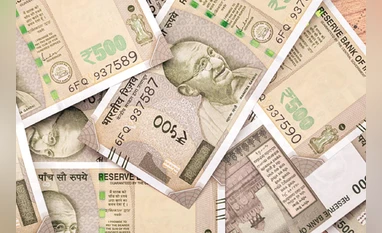
The Indian rupee rebounded to 91.75 against the US dollar after days of pressure, driven by a global risk sentiment shift and stabilising capital flows. The currency recovery came as equity markets steadied and investors reassessed near term US dollar strength.
Rupee Rebound Reflects Shift in Global Risk Sentiment
The rupee rebound to 91.75 versus the US dollar marked a sharp intraday turnaround after recent weakness. The main keyword, rupee rebounds to 91.75 vs USD, captured market attention as traders reacted to easing global risk aversion and improved appetite for emerging market assets.
A softer US dollar index and mild recovery in Asian equities helped reduce pressure on the rupee. Currency markets responded to signs that aggressive dollar buying had peaked, at least in the short term. This allowed the rupee to claw back losses despite lingering concerns around India’s trade deficit and foreign outflows.
Dealers noted that the move was largely sentiment driven rather than based on fresh domestic triggers. Exporter dollar selling near higher levels and reduced speculative bets against the rupee also supported the rebound.
What Changed in Global Markets Overnight
The global risk sentiment shift was driven by a combination of factors. US bond yields eased marginally, reducing the appeal of the dollar as a safe haven. At the same time, equity markets in Asia opened firmer after signs of stabilization in global growth expectations.
Investors also reacted to expectations that major central banks may avoid additional near term tightening, which helped calm currency markets. This shift reduced pressure on emerging market currencies, including the Indian rupee.
Oil prices, a key variable for India’s currency outlook, remained relatively stable. The absence of a fresh spike in crude reduced immediate concerns about India’s import bill and inflation trajectory, giving the rupee some breathing room.
Role of RBI and Domestic Market Flows
The Reserve Bank of India continued to play a stabilising role in the currency market. While there was no overt intervention, traders remained cautious about building large one sided positions due to the central bank’s presence.
Domestic equity flows also improved slightly, with select institutional investors stepping in after recent corrections. This helped offset some of the foreign portfolio outflows seen earlier in the week. Improved equity sentiment often feeds directly into currency stability, particularly during volatile global phases.
On the bond side, yields remained range bound, limiting stress on the rupee. A stable interest rate outlook reduced the risk of abrupt capital flight, supporting the day’s currency recovery.
Why the Rupee Remains Vulnerable Despite the Bounce
Despite the rebound, the rupee remains vulnerable in the near term. Structural pressures such as a widening trade deficit, elevated import demand, and uneven foreign inflows continue to weigh on the currency.
The dollar remains strong on a relative basis, and any resurgence in global risk aversion could quickly reverse recent gains. Additionally, uncertainty around global growth, geopolitical developments, and commodity prices continues to influence currency movements.
Market participants also remain cautious ahead of upcoming macro data releases, which could alter expectations around inflation and interest rates. This suggests that while the rupee has stabilized temporarily, volatility is likely to persist.
What Traders and Importers Are Watching Next
Currency traders are closely tracking the dollar index, crude oil prices, and foreign institutional investor activity for directional cues. A sustained move below recent resistance levels could encourage further rupee appreciation, but conviction remains low.
Importers are expected to increase dollar buying on dips, which could cap gains near the 91.50 to 91.70 zone. Exporters, meanwhile, may take advantage of higher levels to hedge receivables, creating two way flows.
The broader outlook suggests a range bound rupee in the near term, with sharp moves driven primarily by global cues rather than domestic fundamentals alone.
Takeaways
- The rupee rebounded to 91.75 against the dollar due to improved global risk sentiment
- A softer dollar index and stable crude prices supported emerging market currencies
- RBI presence and balanced domestic flows helped limit volatility
- Despite the bounce, structural pressures keep the rupee vulnerable
FAQs
Why did the rupee strengthen against the US dollar today?
The rupee strengthened due to easing global risk aversion, a softer dollar, and reduced speculative pressure in currency markets.
Is the rupee rebound sustainable?
The rebound appears sentiment driven and may be short lived unless supported by consistent capital inflows and stable global conditions.
What role does crude oil play in rupee movement?
Higher crude prices increase India’s import bill and weaken the rupee, while stable or falling prices provide currency support.
Will RBI intervene if volatility returns?
The central bank typically steps in to smooth excessive volatility rather than defend a specific exchange rate level.